- July 27, 2026

-
-
Loading
Loading
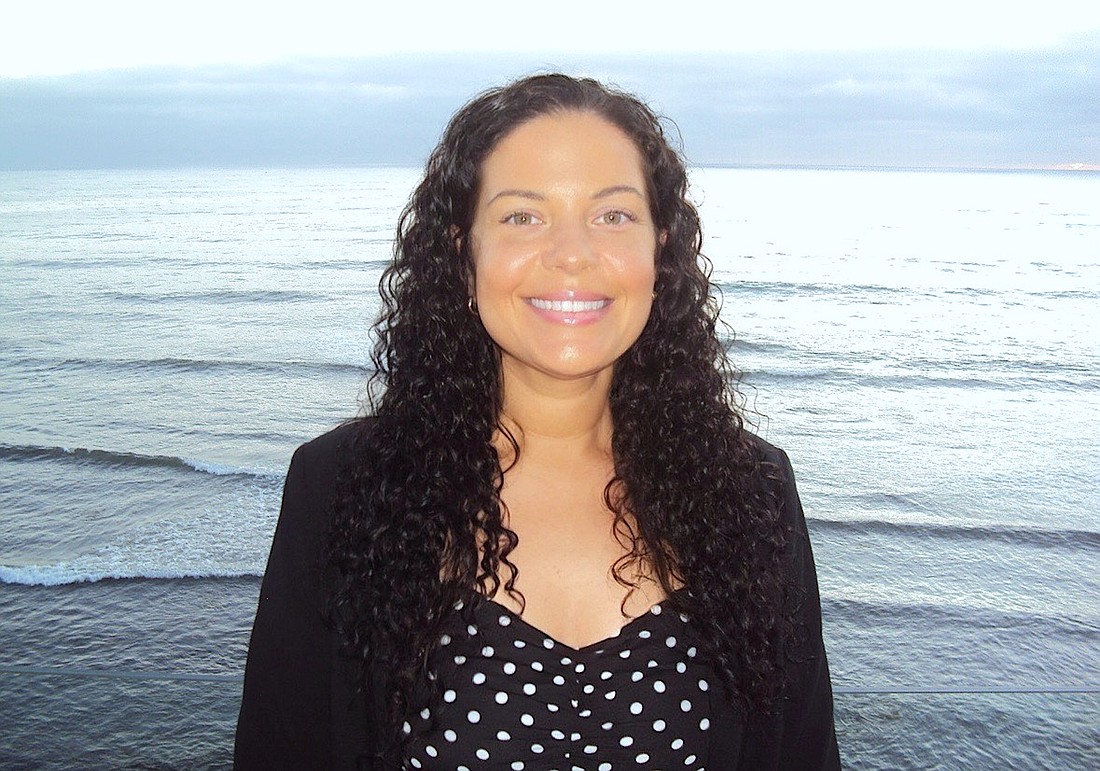
Age: 41.
Current occupation: Attorney and managing partner of Harris, Schlossberg & Sargent, PLLC.
Sarasota County residency: Five years.
My top three priorities are infrastructure, affordability, and fiscal accountability.
First, Sarasota County must prioritize critical infrastructure, including roads, stormwater systems, drainage, water resources, and public safety. Our infrastructure must keep pace with growth, and new development should not worsen existing deficiencies or place an unfair burden on current residents.
Second, we must address affordability. Sarasota is becoming increasingly difficult for working families, young professionals, teachers, first responders, healthcare workers, veterans, and seniors on fixed incomes to afford. The county should encourage workforce housing through public-private partnerships, incentives for attainable housing, and the adaptive reuse of appropriate existing structures while protecting established neighborhoods.
Third, the county must strengthen accountability for taxpayer dollars. Sarasota County’s budget has grown significantly in recent years, and with the possibility of future reductions in property-tax revenue, the commission must establish clear priorities, evaluate programs based on measurable outcomes, reduce unnecessary spending, and focus taxpayer dollars on essential services and long-term community needs.
I am running for County Commission because Sarasota County is at a critical point, and the decisions we make today will determine whether our community remains safe, affordable, resilient, and sustainable for future generations. Like so many residents, my family and I were personally impacted by the recent storms and historic flooding. Those experiences made clear that infrastructure, stormwater management, drainage, emergency preparedness, and responsible growth are not abstract policy issues, they directly affect our homes, businesses, safety, and quality of life.
The final turning point for me came after the tragic death of a 5-year-old girl who was swept into a storm drain following severe flooding near the site of a water-main break. Her death was heartbreaking and deeply affected our entire community. For me, it underscored the urgency of ensuring that our infrastructure is properly maintained, known hazards are addressed promptly, and public safety remains at the center of every decision made by county government.
My background has prepared me to approach these challenges from multiple perspectives. I served approximately 15 years in the United States Army, where I was responsible for personnel, logistics, and millions of dollars in government equipment. I later served as a prosecutor and now practice as a civil defense attorney and managing partner of a law firm. Throughout my career, I have managed complex issues, evaluated risk, worked within budgets, and been accountable for difficult decisions.
I am running to bring disciplined leadership, independent judgment, transparency, and a renewed focus on residents to the County Commission. Growth is inevitable, but poor planning is not. Sarasota County needs leadership that plans for the future while protecting the character resources, and quality of life that makes our community special.
Yes. Approximately 16 years ago, I ran for the Maryland House of Delegates, which is the lower chamber of Maryland’s state legislature and is comparable to the Florida House of Representatives.
My qualifications are rooted in a combination of military leadership, legal experience, public service, fiscal responsibility, and private-sector management.
During my 15 years in the United States Army, I managed complex logistics and maintained accountability for millions of dollars in government equipment. That experience taught me that public resources must be managed carefully and that leadership requires preparation, accountability, and the ability to make difficult decisions.
As a former prosecutor, I represented the public and handled serious cases requiring sound judgment, fairness, and a commitment to public safety. As a civil defense attorney and managing partner of a law firm, I evaluate complex legal and financial issues, negotiate disputes, manage employees and budgets, assess risk, and advocate for clients every day.
I also bring an independent perspective. I am willing to ask difficult questions, carefully review the information presented to the Commission, and make decisions based on what best serves Sarasota County residents.
The county should focus on practical solutions that increase workforce housing without sacrificing responsible planning or placing the entire burden on existing homeowners.
One opportunity is to provide targeted incentives for the rehabilitation, conversion, and adaptive reuse of appropriate existing structures. Repurposing vacant or underutilized commercial properties may create additional housing opportunities while reducing pressure to develop environmentally sensitive land.
The county should also pursue partnerships with major employers, hospitals, educational institutions, nonprofit organizations, and responsible developers to create housing opportunities for teachers, first responders, healthcare professionals, veterans, service-industry employees, and other members of our workforce.
Incentives should be tied to measurable outcomes and long-term affordability. The county should evaluate expedited review, appropriate density incentives, infrastructure coordination, and other tools when a project provides a meaningful and enforceable workforce- housing benefit. The goal should be to increase housing opportunities while preserving neighborhood compatibility and ensuring that growth is supported by adequate infrastructure.
Zoning should provide predictability, protect property rights, preserve the character of established communities, and promote responsible growth. Residents, property owners, and businesses should be able to rely on the county's comprehensive plan and adopted land-use regulations when making long-term decisions.
At the same time, zoning decisions should be evaluated individually and based on facts. I would consider compatibility with surrounding communities, infrastructure capacity, traffic, drainage, environmental impacts, public safety, and the rights of affected property owners.
Changes should not be driven solely by short-term economic interests. When exceptions become routine, planning loses its meaning, and public confidence is weakened. The county should maintain a transparent, consistent process and ensure that development occurs where infrastructure can reasonably support it.
Development east of Interstate 75 requires particular scrutiny because the decisions being made today will shape Sarasota County for generations. My concern is that, without more comprehensive planning, the rapid pace and concentration of development east of I-75 could create a significant transportation and infrastructure crisis.
We are already seeing increased congestion there now while major developments remain under construction and many future residents have not yet moved in. Roadway improvements and additional travel lanes may provide some relief, but they also demonstrate the magnitude of the increased traffic demand anticipated in these areas. If roads are already congested before these communities are fully built and occupied, we must ask what conditions will look like five, 10, or 20 years from now, and whether the infrastructure currently planned will actually be sufficient.
The county needs a long-term, data-driven transportation strategy that prioritizes safety, congestion relief, maintenance, and infrastructure improvements based on demonstrated need.
We should first address existing deficiencies, including deteriorating roads and stormwater and drainage issues. There is infrastructure in the county that has not been updated in decades. There also needs to be a swift timeframe of execution so the infrastructure can be addressed countywide.
Development should contribute its fair share toward the transportation improvements its necessitates, and transportation commitments should be enforceable and completed in a timely manner. Existing residents should not bear the cost of infrastructure required primarily because of new development.
Sarasota’s transportation challenges do not end at jurisdictional boundaries. We should pursue available state and federal funding while ensuring local transportation dollars are directed toward clearly prioritized projects with measurable public benefits.
I support strategic land acquisition for conservation and preservation when it protects critical environmental resources, water quality, wildlife habitat, floodplains, wetlands, watersheds, and the long-term quality of life of Sarasota County residents. I don’t support purchasing land for almost double the purchase price two years earlier. It’s also important that there is a long-term maintenance factored in purchasing decisions.
I support the development of a new performing arts center and recognize the important role the arts play in Sarasota’s quality of life. Sarasota is consistently recognized as one of the nation's best places to live and visit, and our vibrant arts and cultural community is a significant reason why. The arts attract visitors, support local businesses, create jobs, and provide educational and cultural opportunities.
The tax increment financing district was established to support capital improvements associated with The Bay Park and the new performing arts center. TIF funding does not require the creation of a new tax or an increase in the tax rate; rather, it uses a portion of the future growth in property-tax revenues generated within the designated district to invest in projects intended to benefit the broader community.
I support using TIF revenues for their intended purpose, including an appropriate investment in the new performing arts center. Public investment in major cultural institutions is not unusual. Neighboring communities, including Tampa and Orlando, have used public funding to support performing arts facilities because of the broader economic and cultural benefits they provide. I also recognize that the Sarasota Performing Arts Foundation has indicated that it is seeking city and county support to help fund the development of the projects while intending for private and philanthropic support to fund the center’s ongoing maintenance and operations.
I would give the County Commission a D for its management of taxpayer dollars.
Sarasota County continues to provide important public services, however, maintaining essential services does not excuse the dramatic growth in county spending or eliminate the responsibility to demonstrate that taxpayers are receiving measurable value for their money.
The county’s total budget has more than doubled, and spending skyrocketed by 73% in just four years. By 2028, it is projected that expenses will outpace revenue by more than $30M.
In my view, the current commission has not demonstrated the level of fiscal discipline or stewardship taxpayers deserve. Spending has increased substantially without sufficient prioritization, measurable performance standards, or a clear long-term plan for controlling costs. Too often, the discussion appears to focus on whether money is available rather than whether a proposed expenditure is necessary, effective, sustainable, and a higher priority than competing needs. Continued budget growth should not be treated as inevitable, and increasing property values should not be viewed as an unlimited source of additional government revenue.
The county must return to priority-based and performance-based budgeting. Every major program, contract, and expenditure should have clearly defined objectives and measurable results they are receiving.
With uncertainty surrounding future property-tax revenues and projected budget pressures, the county should be preparing now, not waiting until fiscal conditions force abrupt cuts.
Taxpayer dollars are not government money; they are the public’s money. Sarasota County families and businesses are expected to live within their means, establish priorities, and make difficult financial decisions. County government should be held to the same standard.
Before identifying arbitrary across-the-board cuts, I would conduct a comprehensive review of county programs, administrative spending, consulting contracts, and outside services.
The county should prioritize essential services and direct additional resources toward critical infrastructure as a priority. Preventive maintenance is proven to be less expensive than allowing infrastructure to deteriorate until emergency repairs or full replacement become necessary.
I would also evaluate whether the county is adequately investing in long-term planning for water supply, transportation, and infrastructure, associated with growth. At the same time, new programs and major capital projects should be evaluated based on measurable public benefit, long-term operating costs, and their effect on other priorities.
The current millage rate should not be evaluated in isolation. Residents experience the total tax burden reflected in their tax bills, and rising property values can increase county revenue even when the millage rate remains unchanged or is reduced slightly.
Given the significant growth in the county’s budget, I do not support increasing the millage rate at this time. I would carefully evaluate whether additional reductions are fiscally responsible while preserving public safety, infrastructure, emergency services, and the county’s long-term financial stability.
Tax relief should be meaningful not symbolic, and should not create deferred infrastructure costs or financial problems that future taxpayers will be required to address.