- July 25, 2026

-
-
Loading
Loading
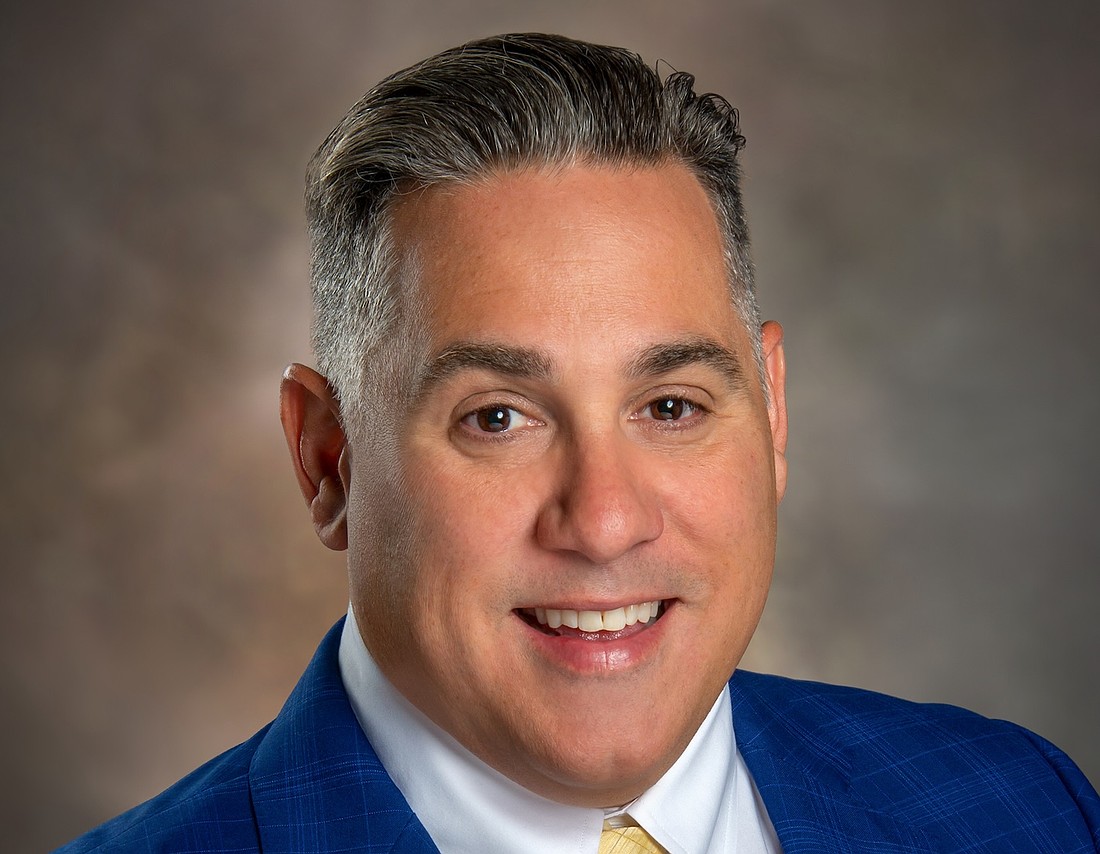
Age: 49.
Current occupation: Chiropractic physician
Sarasota County residency: Since 1991.
Infrastructure, development and affordable housing. For infrastructure, the county should prioritize repairing and upgrading existing roads, drainage, utilities, and public services before approving major new development. New projects should be required to cover their full infrastructure costs through impact fee mitigation (We need to look at these after SB180 sunsets), and phased approvals so taxpayers are not left paying for growth. Addressing affordable housing, I’m of the position, that one of the best strategies is to concentrate housing in already served areas through infill redevelopment, and reuse of underused parcels. The county can also continue supporting a dedicated affordable housing trust fund. Thirdly, development. Infrastructure must be closely looked at and our county should draw firm limits around rural and environmentally sensitive land, then channel most new housing into places with existing roads and utilities. Stronger land-use boundaries, lower density in protected areas, and tougher design standards can reduce sprawl while still allowing some targeted housing growth.
I’m running for Sarasota County Commission because I believe local government should be accountable, efficient, and focused on the basics. That means protecting taxpayers, controlling spending, managing growth responsibly, improving infrastructure and stormwater drainage, and preserving the character and safety of our communities for future generations. I love our Home.
Yes. Sarasota School Board - Defeated. Venice City Council- Elected, Sarasota County Commission-Elected.
I’m extremely well qualified to run for Sarasota County Commission as I bring real local government experience, proven leadership, and a practical understanding of what residents need and want. I’ve served on the Venice City Council and the Sarasota County Commission, including in leadership roles, and I also bring the perspective of a local business owner and physician. That means I understand budgeting, accountability, public service, and the importance of keeping Sarasota County safe, fiscally responsible, and focused on quality of life.
We can improve workforce housing by focusing on smart land use, streamlining the approval process, and partnering with employers, nonprofits, and the private sector. The county should also look for ways to make housing more attainable for teachers, nurses, first responders, and other essential workers without creating unnecessary costs or bureaucracy.
All Future zoning decisions should be made cautiously and locally. I support protecting the character of Sarasota County, preserving home rule, and making sure growth happens responsibly, with transparency and community input. There must also be a HUGE focus on Infrastructure prior to approvals. Zoning in all future endeavors should serve residents first, not just developers.
I believe Sarasota County should put residents first and stop treating endless growth as a goal. East of I-75, we should be especially careful about preserving rural land, protecting the environment, and preventing sprawl that drives up costs for taxpayers. Before any new growth is allowed, the county should prove that roads, water, drainage, schools, and public safety can handle it — and if they cannot, then the answer should always be no.
The Commission’s strategy should be hyper- focused on tackling road needs with a prioritized, data-driven plan that focuses first on safety, bottlenecks, and the corridors that carry the most traffic. It should pair that with disciplined funding, realistic timelines, and a clear expectation that new development must help pay for the road impacts it creates. Here is a proposed plan:
I FULLY support land acquisition for conservation and preservation when it is targeted, transparent, and in the best long term interest of our community. We should continue to focus on protecting land with high environmental value, especially land that preserves water quality, wildlife habitat, natural beauty, and public access for future generations. But we should also be careful not to overuse government spending or expand bureaucracy when conservation easements, partnerships, and other private or local solutions can achieve the same goal more efficiently.
No position.
What needs to be changed in the county fiscal management? The county does publicly publish financial information and emphasizes transparency, which is a good start. There have also been public efforts to trim some expenses and press departments for smaller budget requests, which shows that fiscal discipline is at least being discussed, limiting to 1.6 % increases across the board for 2027. Those are positive signs, but they are not enough on their own. The biggest change should be a shift from “how much can we spend?” to “what do taxpayers actually need?” The commission should: Cap recurring spending growth below revenue growth. Force every department to justify new spending with measurable results. Prioritize core services like roads, drainage, public safety, and infrastructure over administrative expansion. Stop assuming that higher property values mean a license to spend more. Require growth to pay more of its own costs so existing residents are not constantly subsidizing it.
Cuts in Administrative growth and new staff positions, especially if departments are expanding faster than revenue. Jobs that have been vacant for 6 months should be eliminated from HR. Nonessential programs, studies, and consultants that do not directly improve roads, drainage, public safety, or basic county services. Duplicate services or layers of bureaucracy that add cost without adding value.Projects that are nice to have, but not necessary, during a period of budget pressure. Any increases in spending can/could include: Roads, bridge repair, stormwater, and drainage, Public safety, including law enforcement support and emergency preparedness. Infrastructure in areas where the county has already approved growth and now has to serve it. Maintenance of existing assets before building new ones.
The County’s millage rate is slightly lower for the next fiscal year. The proposed countywide rate is 3.3842 mills, down from 3.3856 mills this year, while the general operating rate is also slightly lower at 3.2273 mills. I will never vote to increase our millage rate and will in fact, be advocating for an even lower millage rate.