- July 25, 2026

-
-
Loading
Loading
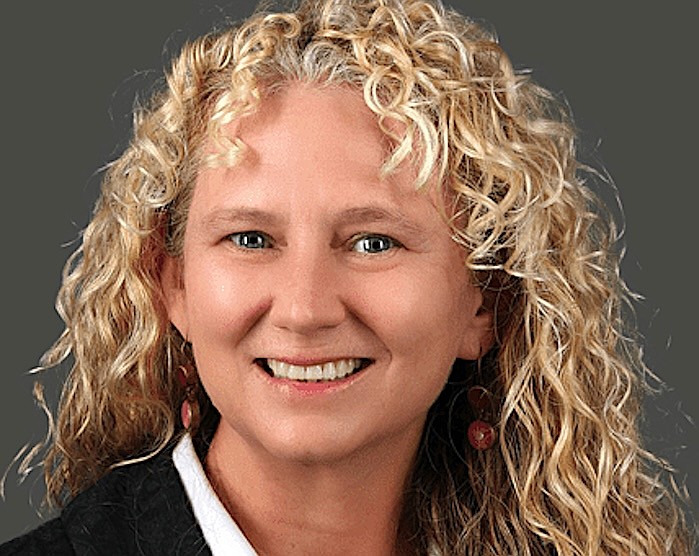
Age: 62.
Current occupation: Sarasota City Commissioner/ Marketing, PR, and graphic design professional, primarily for non-profits, arts organizations, and local businesses.
Sarasota County residency: Permanent resident 1978-1982 and since 1996, with connections to the city since 1970.
1. Property tax constitutional Amendment 3: if passed, it will have an impact on the city’s general fund budget and we will have to decide how to move forward
2. Citizen input in development decisions: we need fewer administrative-only approvals and more opportunity for citizens to provide meaningful and accountable input.
3. Infrastructure: we must continue working with the county to upgrade and maintain our stormwater system and hold developers accountable for costs due to growth
I am running for re-election because good city government should work for everyone. I help residents navigate City Hall, raise concerns about unintended impacts of major proposals, and work to balance fiscal responsibility with improvements people actually experience every day. Those priorities shape how I approach Sarasota’s future.
I've run for City Commissioner twice before and won both times. This is my third campaign for the seat.
One of my strengths as a City Commissioner is that I show up. I read every packet, attend the advisory board meetings most residents never see, including planning, historical preservation, park and recreation, pension, and more. I go to the neighborhood meetings, do site visits, attend the Development Review Committee. I represent the city on a number of boards and organizations at the regional, state, and federal level, including advocating for the city with the Florida League of Cities. That work means I know what's happening in this city before it reaches a vote, not after. Residents call me directly, and I get them an answer. That commitment hasn't changed since my first term, and it won't.
No, the City should not. Our real strength is in our community partnerships and working collaboratively to produce real affordable housing opportunities.
The direct cut I'd point to is capital spending that isn't tied to safety or infrastructure (including parks as infrastructure). When the city came in $4.3 million short of its expected fund balance this spring, departments paused non-critical capital purchases and held operating costs flat, while keeping infrastructure and storm-resilience work moving, and that's the right line to draw. I’d also cut how much the General Fund contributes to parking, which is meant to cover its own costs. It ran short for years and the tax base picked up the difference. I've pushed to change that. Where I'd put more money is the reserve fund itself. We're below the range recommended for a city our size, and after two hurricane seasons, rebuilding that cushion has to come before we add new spending anywhere else.
I'd give the city a B+. Rising property values have meant higher tax bills for residents even in years we didn't raise the millage rate, and I don't think we've been clear enough with people about that. This year we did raise the rate itself, from 3.0000 to 3.2730, to rebuild reserves after the 2024 hurricanes, and even with that increase, we're still less than half the rate charged in Ocala (6.6177), Sanford (7.3250), or Tamarac (7.0000), well under the 5.65 median for comparable Florida cities. Moving our budgets to a five-year strategic plan, instead of building them year to year, is what would get us to an A: it forces us to set real targets and be honest about the full cost to residents, not just the rate.
We need to move from year-by-year budgeting to a five-year plan tied to a real strategic plan. Right now, departments build budgets based on what happened last year and what they expect next year, with no long view. A five-year plan lets us set goals we can measure, catch problems before they become expensive, and give residents a clearer sense of where their tax dollars are headed and what our priorities are.
I'd recommend three changes. First, real resident input built into development review that is meaningful and accountable, not administrative approvals decided with no public hearing. Allowing citizens’ voices to be heard will improve the development projects in the city. Second, introduce a variety of zoning categories for the Bayfront and the Core land uses instead of treating downtown as one zoning district. Third, allow buildings to set back from the sidewalk instead of requiring them to be built straight to the property line.
My vision for St. Armands is for it to stay the low-rise, walkable village it's always been, and right now that vision is being tested. Some property owners are pushing to raise height limits and allow hotels on the Circle, and residents have been clear they don't support it. If a hotel is on the table, the public needs to be in the room. I understand property owners may need to be able to rebuild after the storms and they also need to turn a profit, but any conversation about added density has to start with infrastructure: the Circle floods, it sits at sea level on infrastructure that’s nearly 100 years old, and it's the primary route off Longboat Key. Right now, the city and county are working together to secure funding for our plan for needed infrastructure upgrades. Once we get that right, then we can talk about what else the Circle needs.
I want to see the millage rate come down. We raised it from 3.0000 to 3.2730 this year to rebuild reserves after the 2024 hurricanes. Even so, we're still well under half of what Bradenton (5.8351), Pinellas Park (5.65), and Plant City (5.7157) charge, and under the 5.65 median for cities our size statewide. A lot depends on what happens with the city's budget this fall, but if things hold steady, I believe that's achievable soon.
Increasing safe pedestrian access to The Bay is well worth pursuing. There is a discussion about whether a pedestrian bridge will best address this issue, or if we can make changes to the traffic pattern to accomplish a safe crossing, which can be achieved much quicker. I would be interested in seeing whatever plans might be developed for a pedestrian bridge, particularly one that functions as an extension of the park, but a bridge comes with many challenges, including cost, right-of-way acquisition, liability, and maintenance.