- July 25, 2026

-
-
Loading
Loading
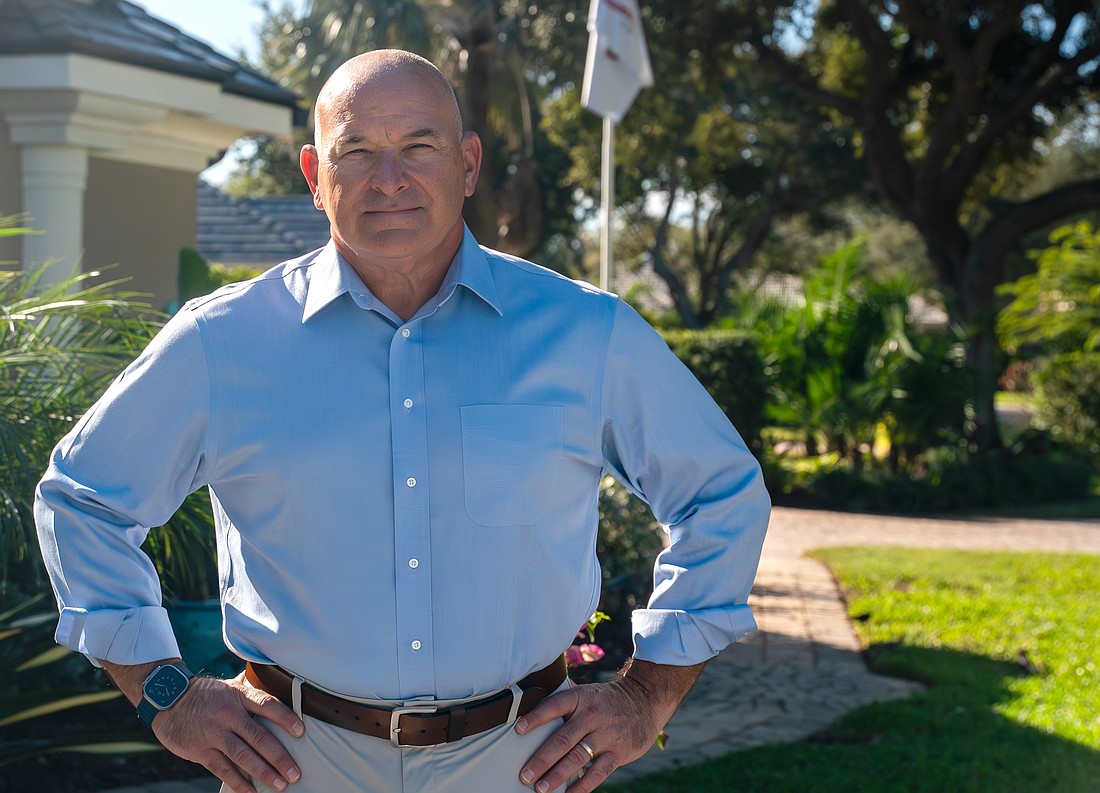
Age: 60.
Current occupation: Retired Law Enforcement Officer (30-year Retired Sergeant 2015 Sarasota Police Department), Licensed Real Estate Associate, and Licensed Mortgage Loan Officer.
Sarasota County Residency: 45 years.
1. Infrastructure management: We must adopt an "Infrastructure First" approach. The commission needs to ensure that roads, water systems, and emergency services are fully capable of handling new capacity before any further large-scale development is approved.
2. Water mitigation and quality: Protecting our waterways and managing stormwater runoff is critical. We need to invest in upgrading our water infrastructure and preserving natural lands that act as buffers.
3. Fiscal accountability: We need to refocus the county budget on essential services. The commission must stop spending tax dollars on unnecessary acquisitions and ensure every dollar is transparently accounted for and respects the taxpayers.
I have been a resident of Sarasota County for 45 years. This is where my wife, Erin, and I raised our family, and where I spent 30 years serving the community in law enforcement with the Sarasota Police Department. I am running to protect the quality of life that makes our county special. We need leadership that prioritized essential infrastructure over unchecked development and brings true fiscal responsibility back to the commission, because leadership equals service.
This is my first time running for elected public office. However, I have served the county extensively as an appointed member of both the Environmentally Sensitive Land Oversight Committee and the Traffic Advisory Board, in addition to my 30 year career as a public servant.
My background provides a uniquely comprehensive view of how our county operates. I served for 30 years in law enforcement, retiring as a sergeant, which gives me a deep understanding of public safety and emergency management. In the private sector, I bring 13 years of experience as a real estate agent and 6 years as a residential mortgage loan officer. This combination gives me practical, firsthand knowledge of housing, land use, and our local economy that my opponents do not have. Furthermore, my civic service on the Traffic Advisory Board and Environmentally Sensitive Lands Oversight Committee means I am already deeply familiar with the specific infrastructure and environmental challenges we face.
We need housing that our nurses, police officers, teachers, and essential workers can actually afford. With my background in real estate and mortgages, I understand the market dynamics at play. The commission should streamline the zoning and permitting processes specifically for targeted workforce housing projects. We need to create smart public private partnerships that incentivize developers to build for our workforce, rather than focusing exclusively on luxury developments while maintaining home rule.
My zoning philosophy is strictly Infrastructure First. Zoning decisions must be tied directly to the existing capacity of our roads, utilities, and emergency services. We cannot continue to rezone parcels for high-density development if the surrounding infrastructure cannot handle the impact.
Growth must pay for itself and be managed responsibly. East of I-75, we must adhere closely to our comprehensive plan and prevent urban sprawl from destroying the character for our rural and semi-rural areas. I am fundamentally opposed to approving massively new developments out east without a clear, fully funded plan for the infrastructure required to support them.
Having served on the Traffic Advisory Board, I know our road networks are lagging severely behind our population growth. Our strategy must prioritize clearing existing traffic bottlenecks and expanding capacity on major arteries. Before any new large-scale development is approved, the county must ensure the road networks are upgraded first and not as an afterthought.
I strongly support it. During my time on the Environmentally Sensitive Lands Oversight Committee, I saw firsthand how vital it is to protect our green spaces, wetlands and natural habitats. We must actively work to achieve the county's goal of reaching 40% protected lands. Conservation isn't just about aesthetics; it is a critical component of water mitigation, protecting our waterways from runoff, and preserving the Sarasota County way of life for future generations. For these reasons, I fully support continuing the program's funding on the upcoming November ballot.
While arts and culture are an important part of Sarasota's identity, my priority as a commissioner will always be essential infrastructure, public safety, and water quality. We must be highly cautious with Tax Increment Financing to ensure it doesn't divert necessary general revenue away from fixing our roads and funding our first responders. Fiscal accountability means prioritizing community needs over wants.
I give them a "Poor". The county budget has doubled in the past four years, yet our residents are paying the price for unchecked overdevelopment. Instead of using that missive surge in tax revenue to upgrade the infrastructure needed to support all this growth, not expanded government.
We must change the spending behavior. The county needs to freeze non-essential projects, stop treating tax windfalls like a blank check, and refocus strictly on core priorities: public safety, maintaining our roads, and water mitigation.
We need to cut wasteful discretionary spending and poor land acquisitions. A prime example is the county's purchase of the 2.04-acre Stickney Point boatyard. Burying that property just to tear it down for a park — which is actively displacing local business owners while the buildings are still standing—is not a prudent or necessary use of tax dollars. Conversely, we need to spend more on upgrading our water infrastructure, road improvements, and public safety.
Our current millage rate should be maintained, and we must avoid raising the tax burden on our residents. Before the commission even considers asking taxpayers for more money, the county must prove it is being fully accountable and efficient with the revenue it already collects. Strong fiscal discipline will allow us to meet our infrastructure needs without raising the rate.