- July 25, 2026

-
-
Loading
Loading
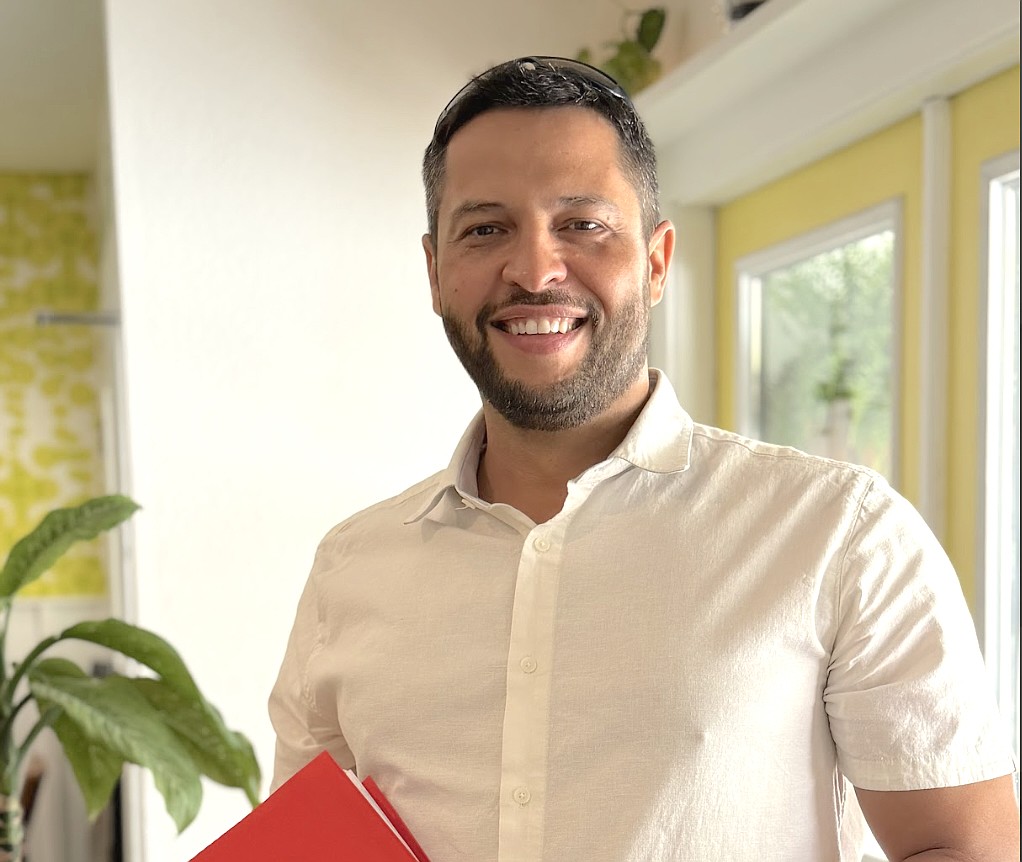
Age: 43.
Current occupation: I am a software engineer and a small business owner. I am also an active community volunteer, assisting my elderly neighbors and friends with home maintenance and repairs.
Sarasota County residency: I have been a full-time city resident since 2019, settling just blocks from my parents' home after years of regularly visiting the area.
Very simple, I am running to bring accountability and representation back to City Hall. I think we need someone who is not running to push their own “vision” or agenda, but who will inform, involve, listen, acknowledge, and represent the residents and local businesses. This is the entire purpose of the Commission, but it has eluded the commissioners of the past few years.
No, this is my first run for public office.
Most current and past candidates campaign on community and corporate experience, and how it applies to the work on the City Commission. I too bring decades of experience solving complex, high-stakes systemic problems for enterprises, at a scale of billions of dollars. But this misses the point. The entire purpose of the Commission’s existence is to be a representative body. The main qualities we should be looking for are humility and self-awareness. The people who possess those are truly the most qualified.
No. The city should not act as a landlord. That creates long-term liabilities and distracts from delivering the core municipal services which is the main purpose of a city government. The city's role is to facilitate, not own. By streamlining the permitting process, aligning zoning, and leveraging our existing data, we can empower the private sector to build the affordable housing we need. Any city participation in housing initiatives must come with full transparency and measurable goals, avoiding open-ended commitments that leave taxpayers footing the bill.
I'd cut external consultants and studies and underutilized technology. The downtown master plan is the clearest example — two rounds of solicitation, a $500,000 price tag, and the process still collapsed to a single bidder before the Commission suspended it. We paid for a procurement that produced no competition and no plan. The city leans on expensive outside firms for work our own staff could do faster and better. I'd also stop plugging gaps by nickel-and-diming residents, like the push for longer paid-parking hours and higher fines. I'd protect spending for the basics that residents feel — storm recovery and resiliency, safe roads/sidewalks, and neighborhood services. The point isn't more or less — it's smarter.
The Commission gets a C. They raised the millage to refill reserves, then kept steering money toward marquee expansion — a billion-dollar Bay park build-out and a new performing arts center — while everyday value went unwatched. Even basic execution slipped: hiring a city manager took over 15 months and a failed first search. There's money for the headline projects and the outside experts, but not the discipline to ensure we get full value from what we already spend. Good intentions, weak stewardship.
The core problem is who pays. Growth is supposed to fund itself, but the bill keeps landing back on the people already here — higher millage, higher parking fees, and disproportionately larger city government. In the last five years, the city population grew 5%, but the city government grew 20%, and tax revenue grew 25%. I'd change the frame so growth carries its own weight: measure the real public cost of each approval, make new development pay for the services and infrastructure it needs, and stop treating residents as the piggy bank. The budget should serve the people who live, work, and pay taxes here.
The update should fix what stopped working, not repackage it. For example, height: downtown zoning measures buildings by stories, not feet, so towers keep climbing past 300 feet while the code still reads "18 stories." That gap has to close, with clear height and compatibility standards tied to the street a building actually sits on — Palm Avenue, a walkable retail block, shouldn't be governed like a bayfront high-rise corridor. This was a campaign issue four years ago, and is just another promise that wasn’t delivered. The plan should also protect ground-floor scale: rows of small storefronts and real pedestrian frontage, not one large lobby-and-retail box at street level. And it needs genuine engagement — the current effort left its own citizen committee in the dark and felt like checking a box. The rewrite has to put residents and that committee at the center of the work, not on the sidelines.
Ask the people who work the Circle and the priority is clear: fix the flooding first. Until the risk of getting wiped out every few years comes down, owners won't reinvest — that's why you see aging buildings and empty storefronts. Accelerate the county's $13.5 million Resilient SRQ stormwater project and pair it with the city's own infrastructure work.
Preserving the character: owners, residents, and visitors, all want fewer generic chain shops and more of the boutique quality that made St. Armands a destination — but the answer to disinvestment is flood resilience and charm, not more density, or hotels. Also fixing the small things that quietly cost businesses money: one-hour parking limit artificially caps how long a visitor can stay and spend
I want to lower the millage rate, but the responsible way to do so is to eliminate wasteful spending first. By cutting redundant studies, toy projects, and low-value technology contracts, we can capture enough efficiencies internally to revert our millage to baseline. Once those structural savings are secured, the financial relief should be passed directly to residents and small businesses through a lowered millage rate, rather than being redirected into new mega-projects. We need tax relief achieved through systemic changes, not accounting gimmicks.
I would get feedback from the residents, but personally I wouldn’t support it. While pedestrian safety is a top priority, a high-cost signature crossover bridge represents the type of large-scale vanity project that drains resources away from foundational city needs. Before committing to a costly landmark, we must invest in safe, accessible sidewalks and storm resilience citywide. We should thoroughly evaluate practical, at-grade crossing solutions that enhance safety at a fraction of the cost. We must prove the need and exhaust all affordable, sensible alternatives first.