- July 4, 2026

-
-
Loading
Loading
Summer means many of Longboat Key's avian residents will be raising and launching their babies. While the stumbling baby birds may sometimes be in need of a helping hand, other times they are simply following their instincts and learning how to navigate life on their own.
To help Longboat Key residents tell the difference and learn interesting bird facts along the way, Save Our Seabirds held a volunteer training session on June 27 in its newly refurbished outdoor learning space.
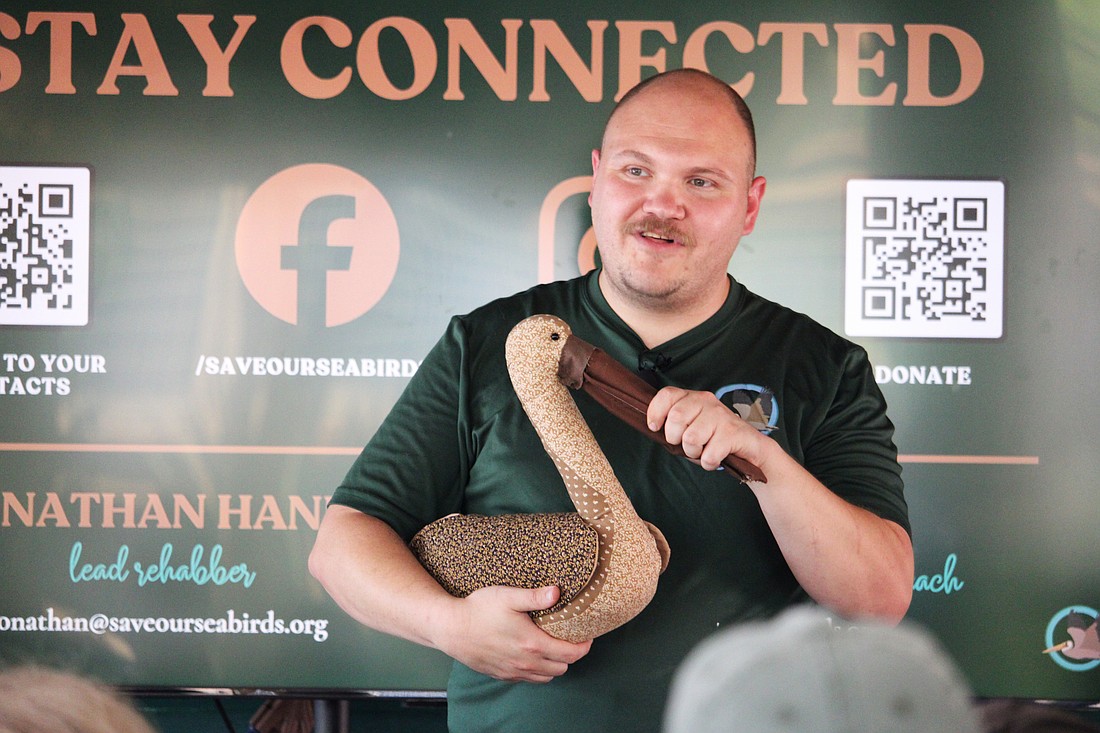
Jonathan Hande, SOS's senior avian hospital technician, led the seasonal training. Attendees could sign up as part of the center's volunteer rescue team, but many of the approximately 50 participants also came to simply learn more about some of Florida's most iconic animals.
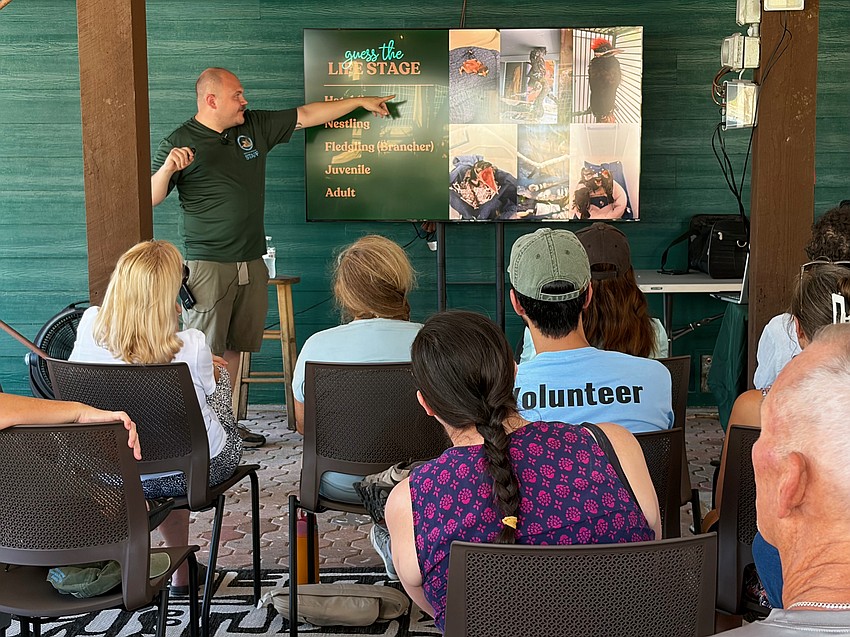
After giving an overview of SOS's mission, Hande quizzed attendees on the differences between a bird hatchling, nestling, fledgling, juvenile and adult.
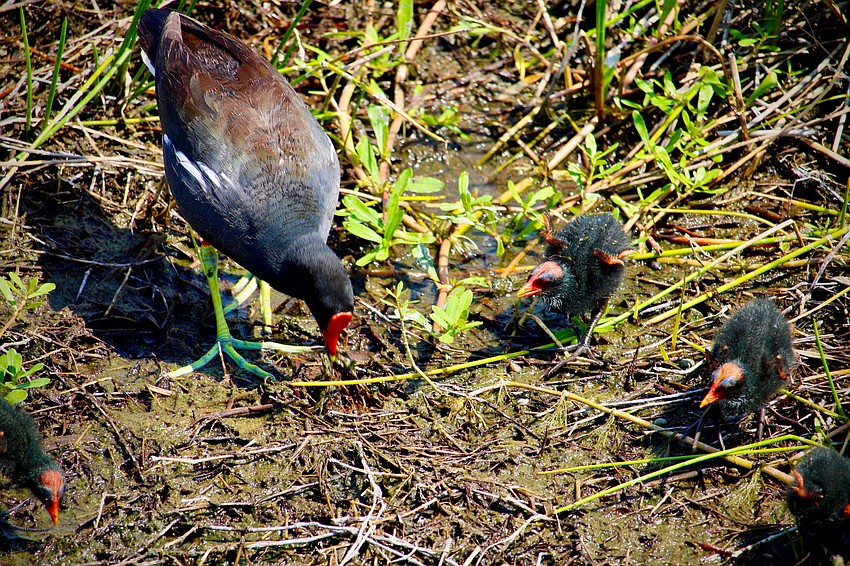
This time of year, Save Our Seabirds often gets calls from concerned individuals about baby birds.
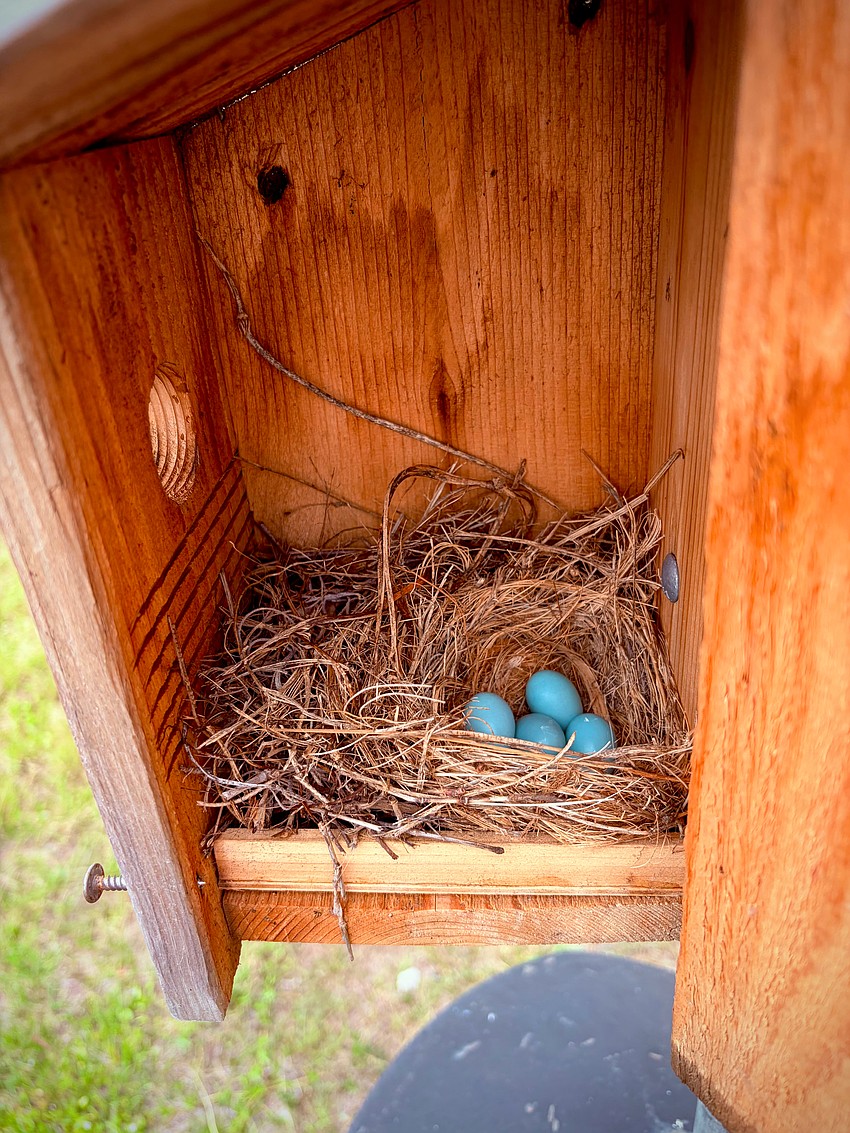
Experts assess each case individually, but if the nest is in a busy spot yet otherwise stable, often the best course of action is to leave it alone.
However, if a nest has fallen out of a tree, intervening to place it back as close to the original spot as possible may be the best course of action.
When replacing a nest, it's best to use a container with drainage, like a wicker basket, a bowl with holes drilled in it, or even something like an old bike helmet. If the old nesting material isn't available, it's best to use natural twigs and grasses for bedding over a towel, which may hold onto moisture.
"This is the season when we make the most nests in the year," he said. "You'll learn to be very creative with what you have."
Most importantly, Hande said residents should either call Save Our Seabirds or leave the bird alone rather than taking it in to raise. Habituating a baby bird can cause lifelong complications as it struggles to mimic and communicate with other adult birds later on.
"If you take the bird from its parents, please bring it here immediately," he said. "There are a lot of steps that go into making sure it stays wild and understands the appropriate behaviors it should know."
He also played a video showing two different but similar-looking behaviors. A juvenile royal tern lay on the sand with its head aimlessly weaving about in a way experts call "stargazing." This erratic swaying can be an indicator that the bird ingested some sort of toxin, as was the case here.
While the mother bird was also bobbing about, she was healthy and simply concerned with trying to shade her baby from the heat.
"This is a good example of natural behavior versus unnatural behavior," he added. "She is stressed because she is worried about her kid, but otherwise she is showing normal behaviors."
Other key signs a bird may need a trip to SOS are if it has a hook or fishing line embedded, cannot stand or fly away, doesn't quickly recover on its own after colliding with a window, was attacked by a cat or wild animal, or is actively bleeding.
Hande noted that, even if a bird has a missing or broken leg, as long as this injury is healed, leaving it to live its best possible life in the wild is likely for the best.
"For example, a lot of sandhill cranes will have old leg injuries but be just fine," he said. "We're not necessarily going to go out and get every one that has a limp."
It often isn't possible to reset a broken bone that has already started to regrow given birds' unique structure and quick healing abilities. But, he said those birds can often still go on to live meaningful lives out in the wild.
Adult birds tend to do a good job of keeping themselves cool amid Florida's high summer temperatures. If they are standing with their wings spread out and panting, they are showing natural behaviors to cool down.
However, if they aren't willing to fly away even when directly run toward, they may need help.
Hande said the experts' advice is all a guideline for how to help local birds. For example, birds like killdeer throw a wrench in the mix because of their masterful acting skills.
Killdeer famously will fake an injury like a broken wing to entice a potential predator away from their nests.
When in doubt, the center is always happy to field a call, especially if the person can provide photos or a brief video about the concerning behavior.
"Any bird you see out and about, if you see it in distress, we are here to help, if we can," he said.
Save Our Seabirds is always looking for volunteers to help with catching injured birds, but there are also plenty of opportunities to volunteer solely to transport birds once they're caught or ready for release.
Hande added the organization doesn't operate with the expectation that everyone volunteering to help is a veteran bird expert. Rather, he hopes everyone walks away from such trainings with a bit more knowledge about Longboat's beautiful birds.
Lisa Wood, director of education and outreach, said, "Every time you bring a bird in to our team of Jonathan and other hospital staff and they treat and release it, that's another opportunity for them to go back out into the world and do what they're supposed to do."
Besides helping to keep mosquitoes, other bugs, rodents and other pests in check, healthy bird populations also act as key indicators for potentially dangerous changes in the local ecosystem.
"When birds are not thriving, people are not thriving," she said. "Becoming a volunteer with us goes beyond our organization. You're actually helping our whole community and life as we know it here."