- July 21, 2026

-
-
Loading
Loading
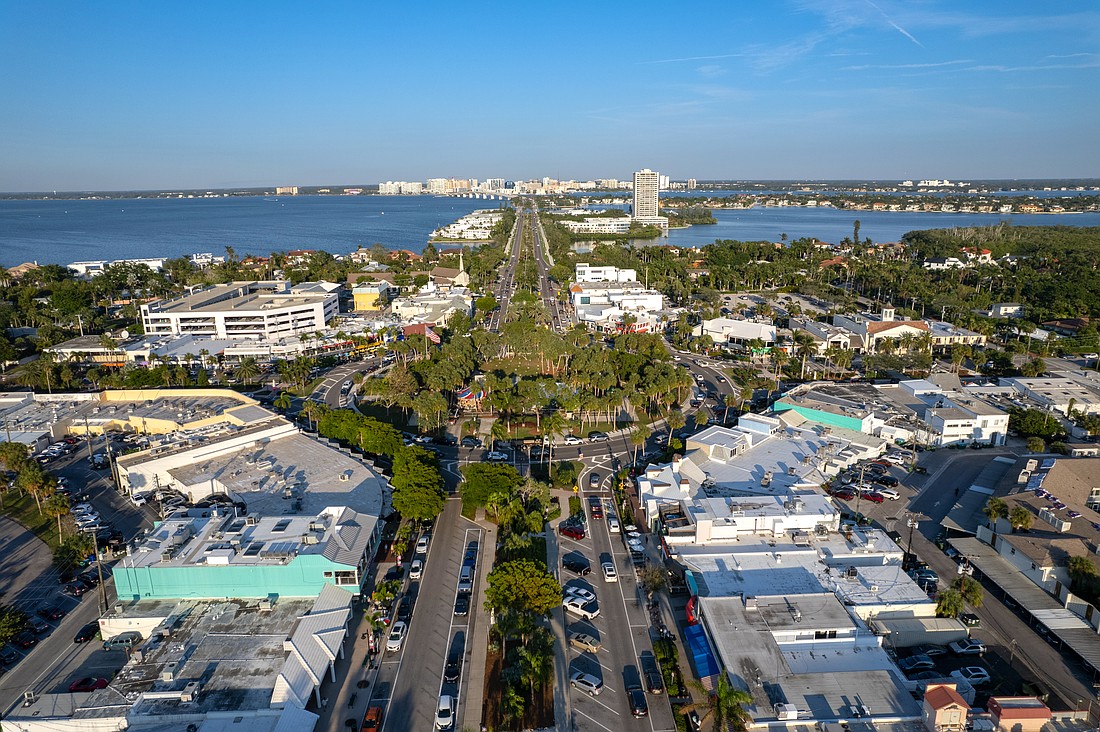
If there was one takeaway from the two-part visioning exercise about the future of St. Armands Circle it would be this:
If floods resulting from occasional heavy rain events — never mind storm surge — are not mitigated, nothing else really matters. The same goes for addressing St. Armands’ aging infrastructure, both above and below ground.
Certainly there were multiple conclusions delivered to city and county staff by participants during the first visioning session at Mote Marine Laboratory & Aquarium on Feb. 27. That data was then distilled, prioritized and delivered during the second session, also held at Mote, on April 13.
In addition to preventing flooding and addressing traffic, among the higher priorities expressed by residents of the city, St. Armands and Longboat Key were a degraded tenant mix and vacant storefronts, much of that attributed to recovery challenges in the wake of severe tropical weather events in recent years, especially 2024.
In summary, participants said St. Armands needs fewer "T-shirt shops" and more higher-end boutique offerings.
Regarding traffic, “Solutions varied from removing all cars from the Circle, to another bridge away from the Circle, to various kinds of automated traffic management controls,” facilitator David Brain said. “The general gist is people would love to see cars go away, but obviously the Circle thrives on people visiting, so making the cars go away altogether is probably not in our future, but there was clearly a concern to control traffic congestion.”
Persistently lurking in the backdrop are suspicions about potential redevelopment of the commercial district. Pressures exerted on and by the merchants and building owners result from the question of whether to improve their existing spaces until — and presuming — flooding will be resolved, an underway initiative by Sarasota County that in a best-case scenario is five years away from starting.
Planning on how to spend $13.5 million in federal Resilient SRQ funding, plus another nearly half-million dollars matched by the city, is in its infancy. And even if freshwater flooding can be effectively addressed, severe storm surge — which inundated St. Armands twice in 2024 — is nearly impossible to prevent should it crest the planned 6.6-foot sand dunes to be installed along Lido Beach later this year.
Therein lies the conundrum for both tenants and building owners around the Circle as hesitancy to improve properties lingers over uncertainty of flood resilience, at least in the near term.
St. Armands Residents Association Vice President Chuck Haff told the crowd that for 25 years he was an investor in commercial properties as a precursor to explaining the risk profile facing businesses and owners.
“If you think your business is going to flood every five years, then you have to cut your expected profit by 20% because you're going to get wiped out,” he said. "If you could take that 20% probability of being flooded once every five years and bring it closer to zero, then you're going to invest more. It's all about the risk discount rate, and we need to reduce the risk discount rate.”
For now, he said, that risk profile is a deterrent to heavy investment.
Geoffrey Michel, who owns The Met at 35 S. Boulevard of the Presidents, brought up the unpopular notion among residents of adding second and third floors to buildings to help provide a more secure return on investment in the properties. He cited Naples, which has enabled flood-proofed design on the first floor and allowing residential on the second and third floors on its two most iconic retail districts — Fifth Avenue South and Third Street South.
“We all want new shops. We need new shops,” Michel said, his next sentence eliciting audible groans from the crowd. “But that said, the new shops need new buildings. So in the math conversation of risk resilience, the third floor allows a cost wash. I know it's not a popular statement, but I do pay a significant amount of property tax.”
Absent the risk resilience, owners tend to shy away from investing in their buildings. Lido Key Residents Association President Carl Shoffstall suggested, at least in some cases, it may be intentional neglect.
“They're not reinvesting in their buildings, and now they're falling apart. So what's the thing? Tear it down and build new and go higher?” Shoffstall said. “We're not talking about that, but that's where this is leading. Floods are going to happen … but we can mitigate them a little bit better. I'm worried about the height and the density and more traffic. We all want visitors because we're blessed to live out here, but that's where this is going. I can see it.”
Brain hinted at future meetings between staff, property owners and merchants, which concern residents regarding possible rezoning pressures to permit more height and density than currently permitted in the Commercial Tourism district.
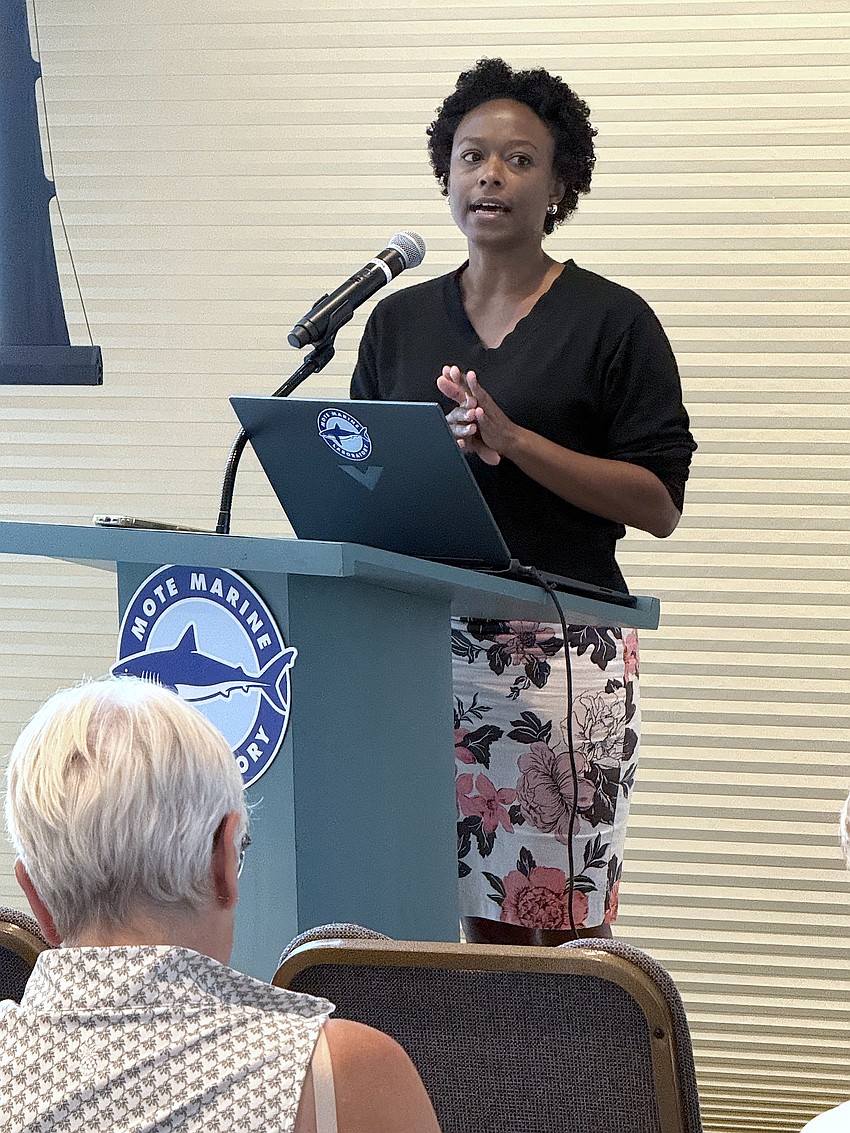
Rochelle Gallant of the city’s Office of Economic Development said the purpose of any future meetings with commercial property owners will be “to understand things that are holding commercial property owners back. It's not, ‘well, why don't you do this?’ It's more of 'what will help you to be able to do this?'”
Regarding tenant mix, Gallant said staff and the Economic Development Corp. of Sarasota County are pursuing a possible retail study to help identify the appropriate retail options for St. Armands and how they may be attracted to locate there.