- July 15, 2026

-
-
Loading
Loading
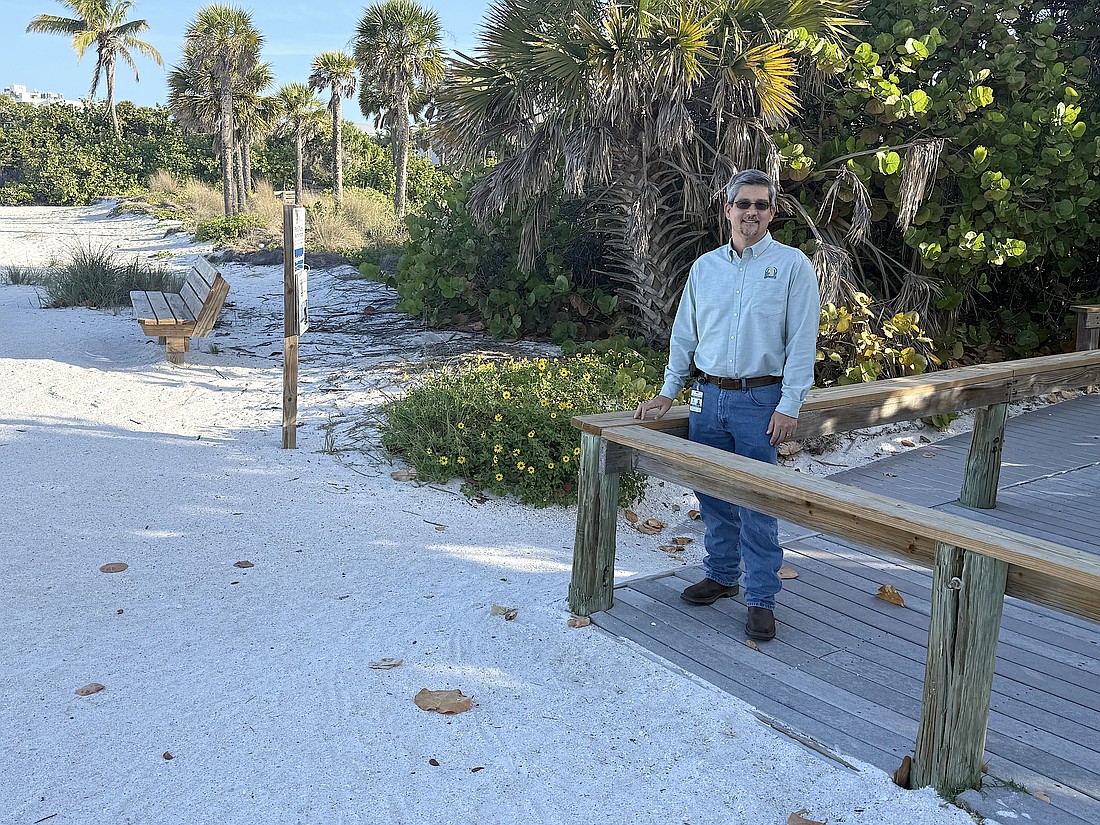
Like most of the Sarasota County coastline following the back-to-back visits by the 2024 power couple of hurricanes Helene and Milton, much of the beach and dune sand from Lido Beach was left strewn about on roads, parking lots and inside homes.
Concurrent with the nearly complete Lido Beach renourishment, this fall the city will begin a project to raise the protective dunes from Lido Beach Pavilion south to, but not including, Ted Sperling Park.
The dune project will increase the height of dunes that exist along Lido Beach by 2 feet to an elevation of 6.6 feet — and build them where they currently don't — to improve storm protection from a 10-year to a 25-year event. Included will be installation of native salt-tolerant plants for added storm protection.
“Thanks to our hurricanes, the dunes got hit pretty hard,” said Sarasota City Engineer Sage (pronounced sah-jee) Kamiya. “There are locations that do have what is left of dunes, and they were higher before the storms lowered them and spread all the sand everywhere that we didn't want it. This project will restore and increase them for added storm protection and also environmental benefit for native plants and flora and fauna alike.”
The project should take approximately 75 days. Unlike the underway beach renourishment work, the selected contractor will have to haul some 3,000 cubic yards of sand by truck to the site from an inland mine approved by the city, according to Kamiya. That will require 215 to 300 dump truck loads, depending upon the trucks’ capacity.
Once the dunes are in place, the plantings will follow. A maintenance period will follow to ensure the plantings have taken root. The project is funded 50% by tourist development tax revenues, charged to occupants of hotel rooms, and 50% by Florida Department of Environmental Protection grants.
When complete, the dunes and renourishment projects will effectively create a new beach. While the work is taking place, access will be maintained. In all, there will be more than 30 beach access locations available during and after the work, which will include post-and-rope barriers bordering the pedestrian areas.
The cost of the dunes project is $1.2 million, including construction costs of nearly $700,000.
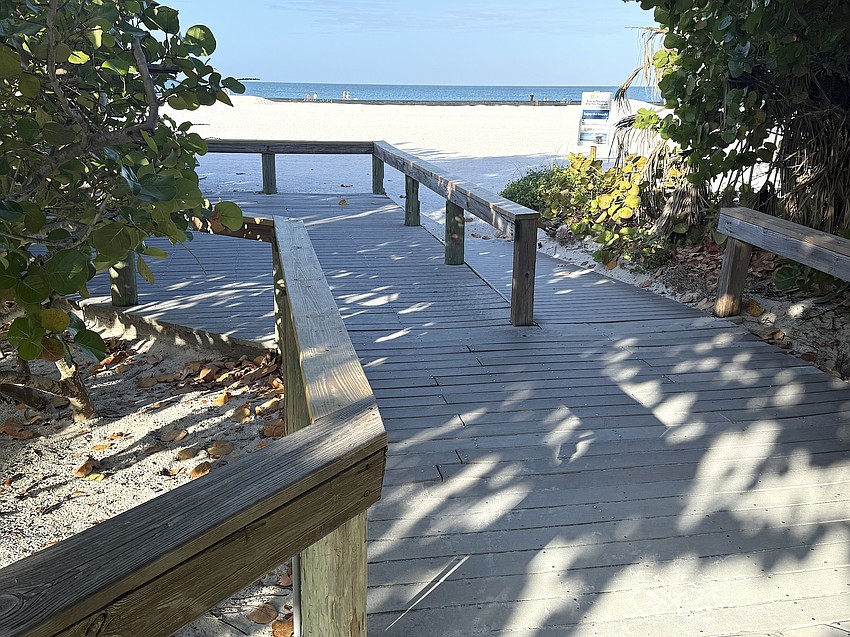
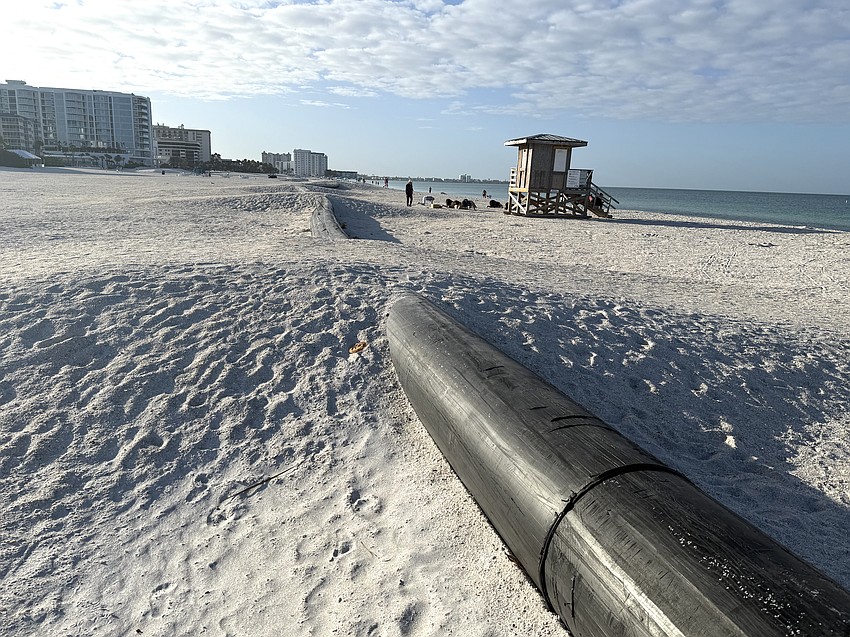
The walkover project will include the removal and replacement of three beach walkovers, one at the pavilion, one at the north end of the pavilion parking lot and the other at the North Lido Beach access at the curve of John Ringling and Benjamin Franklin boulevards. Cost of the walkovers project is $840,000, including construction cost of $770,000. The funding formula for the wooden boardwalk areas will mirror that of the dunes project.
“It's going to have to be done in stages, and as they are done there are gong to be crossings between the dunes marked with posts and ropes,” Kamiya said. “There will always be access to the beach.”
As planning continues in advance of Lido Beach dunes installation, the beach renourishment project on 1.2 miles of shoreline is nearing completion, which is expected by the end of April.
For now, the black pipe still stretches from New Pass — where a dredging project supplies the sand for the renourishment — along Lido Beach, through which the sand is pumped. Sand bridges provide crossing access to the water for beachgoers.
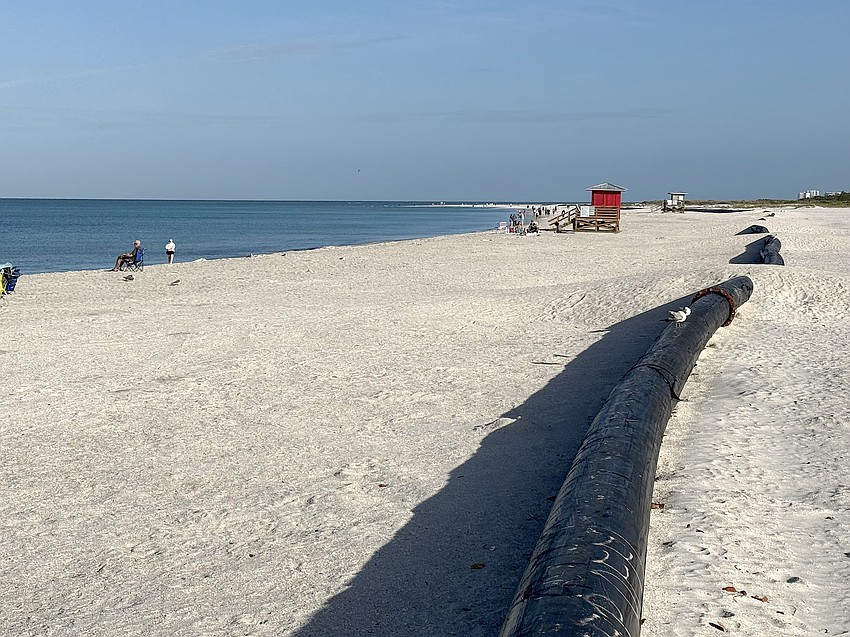
It’s a separate project executed by the U.S. Army Corps of Engineers in partnership with the city of Sarasota, part of a 50-year agreement for sand replacement to occur at approximately five-year intervals. That project cost is approximately $12 million, paid for with federal funding.
Funds for the restoration of the federally authorized beach template were secured through the work of the city’s federal government lobbyist the Color Nine Group, in coordination with the offices of U.S. Rep. Greg Steube and Florida Sen. Rick Scott.