- July 22, 2026

-
-
Loading
Loading
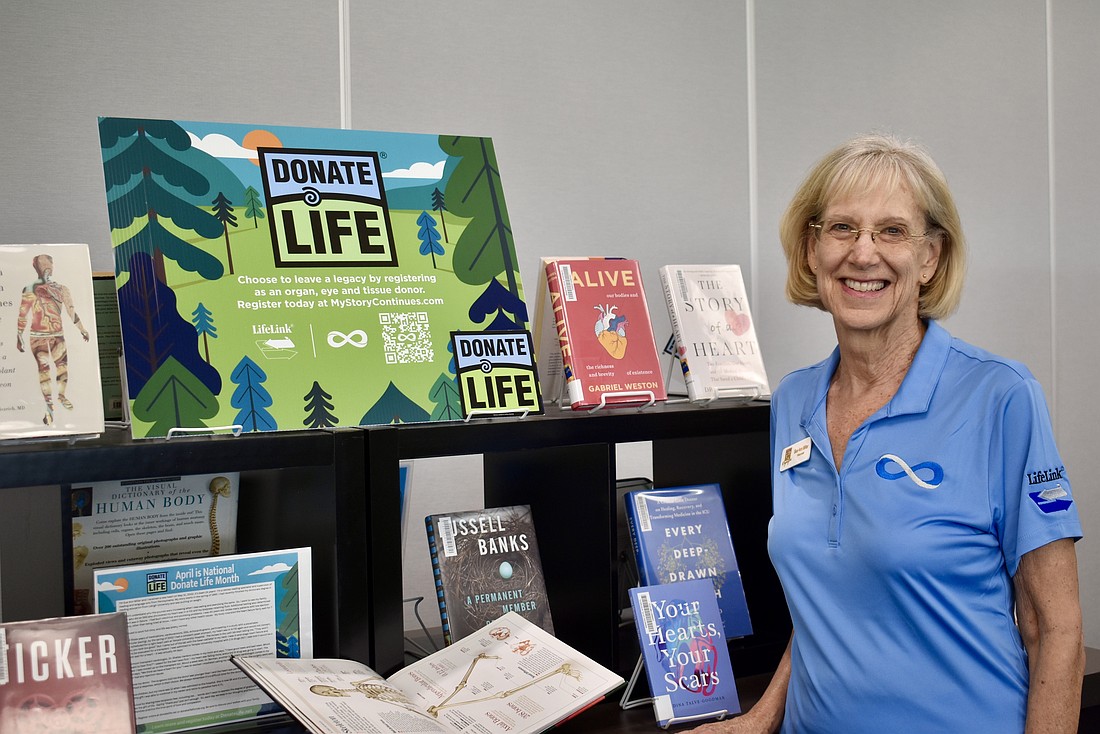
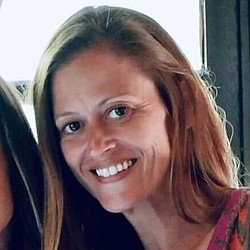
Lakewood Ranch's Sue Ann Miller is warm and friendly with impeccable manners, but she doesn’t offer hugs or shake hands when greeting people. It’s too risky.
Miller, 71, received a heart transplant 24 years ago. Her body never rejected the heart, but she still takes immunosuppressant drugs three times a day, gets bloodwork every three months and sees a doctor for echocardiograms and sometimes stress tests and heart catheterizations twice a year.
Miller was wearing masks on airplanes long before the COVID-19 pandemic.
She was 40 years old when told her heart was failing, yet Miller remained astonishingly healthy for the next seven years. She continued her work as a reading specialist full-time, and life was “pretty normal.”
At 47, her condition changed. She had a constant upset stomach. Miller's doctor knew immediately that was a bad sign. The heart will enlarge in an attempt to compensate for the failure, so it was compacting her other organs and causing her stomach to be upset.
When Miller went to the hospital, her doctor ordered a cardiac catheterization, which can both diagnose and treat heart issues. The nurses told Miller not to worry because she “looked too good” to be kept at the hospital.
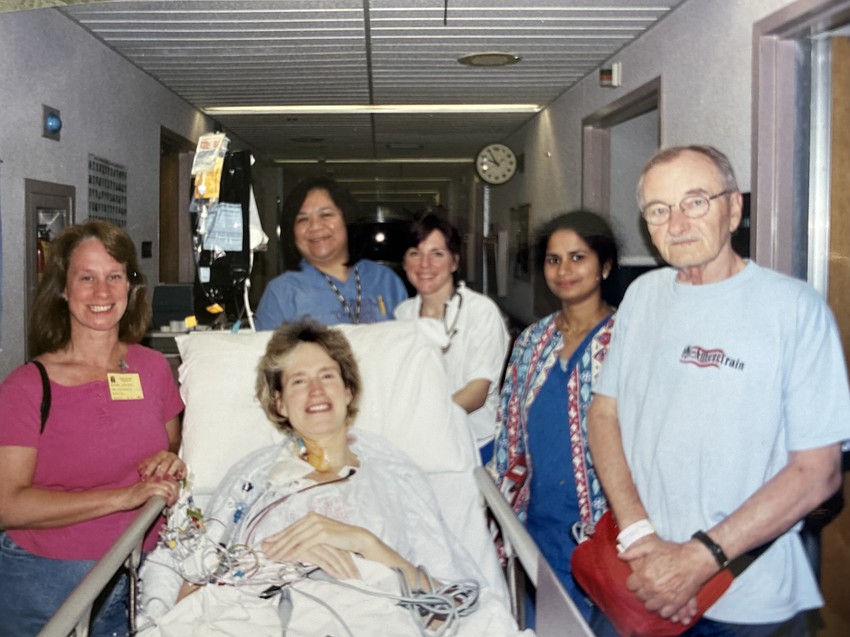
But when she came out of surgery, Miller had a Swan-Ganz catheter sticking out of her neck. She was experiencing end-stage heart failure and wouldn’t leave the hospital for more than two months.
Forty-four days in, the situation became dire enough for a transplant. But only after a stranger's tragedy.
Miller is acutely aware that her life depended on someone else’s death. While she doesn’t know who donated their heart or the circumstance under which she received the donation, Miller was able to write to the family through the Gift of Life Donor Program.
She never received a response to her letters, but Miller sent a letter every year for 10 years to thank the family.
All her doctor could say was that the person was younger than Miller, who was 47 at the time, so she assumes her donation was most likely the result of a car crash.
While tragic for one family, it was a miracle to another.
To receive a heart, the donor had to match Miller’s blood type and body size, and the death had to occur within a four-hour drive of Temple University Hospital in Philadelphia, where Miller was laid up hoping to live.
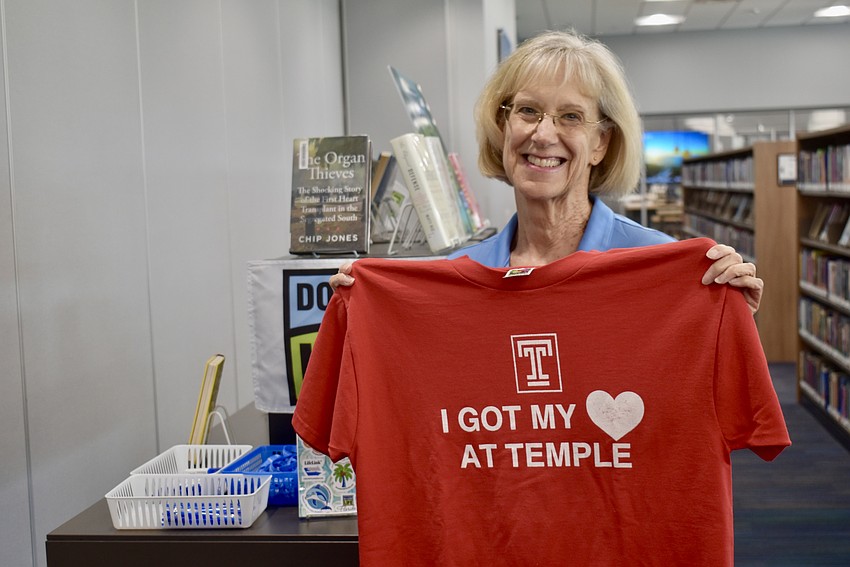
Miller did not squander the gift. She takes good care of herself and others.
“You realize life is short,” Miller said. “It gave me a stronger sense of giving back.”
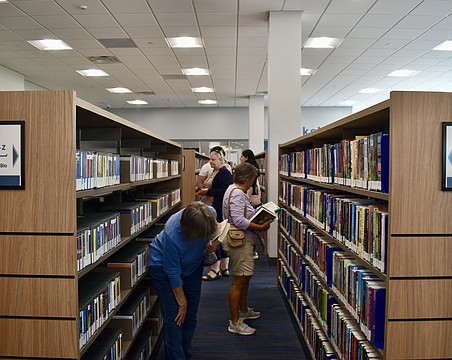
Miller volunteers for the Humane Society at Lakewood Ranch walking dogs and writing grants. She founded the Friends of Lakewood Ranch Library and was instrumental in raising more than $400,000 to stock the shelves of the library.
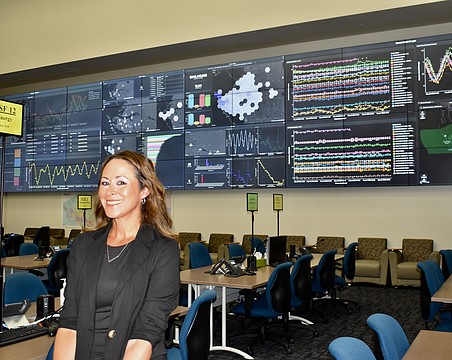
She’s also an ambassador for LifeLink of Florida. She attends events, such as Lakewood Ranch Community Activities’ New Year, New You Health & Wellness Expo, to educate the public about organ donation.
Miller is also responsible for organ donation cards being available in every library in Manatee County and Sarasota County. She took it upon herself to meet with the library service managers. She checks in regularly to be sure the racks remain filled.
When Manatee County held a ceremony last year for its annual proclamation to designate April as Donate Life month, Miller was in the commission chambers to tell her story on behalf of LifeLink.
Surprised to see her in the chambers for something other than library business, Commissioner George Kruse called Miller “a jack of all trades.”
Miller is a living, breathing symbol of the good organ donation does and also a wealth of information on the process and LifeLink.
LifeLink is the procurement organization for 15 counties in west and southwest Florida, including Manatee and Sarasota counties. The nonprofit helps recover donations for organ, tissue and cornea transplants.
Over 105,000 American adults and children are waiting for transplants, and more than 6,000 of them live in Florida.
Over 10 million Florida residents are on the donor list. One donor can save up to eight lives and help up to 75 people.