- July 29, 2026

-
-
Loading
Loading
While Sarasota looks to craft a budget that continues to replenish its storm expense-depleted fund over the next two fiscal years, it also must consider the impact of Amendment 3 if statewide voters approve the property tax reduction referendum this fall.
The good news for taxpayers this year is, late Tuesday afternoon, the City Commission set the not-to-exceed citywide millage rate at 3.2730 mills, the same as the current fiscal year. The rate represents a minor increase because property values only grew slightly this year.
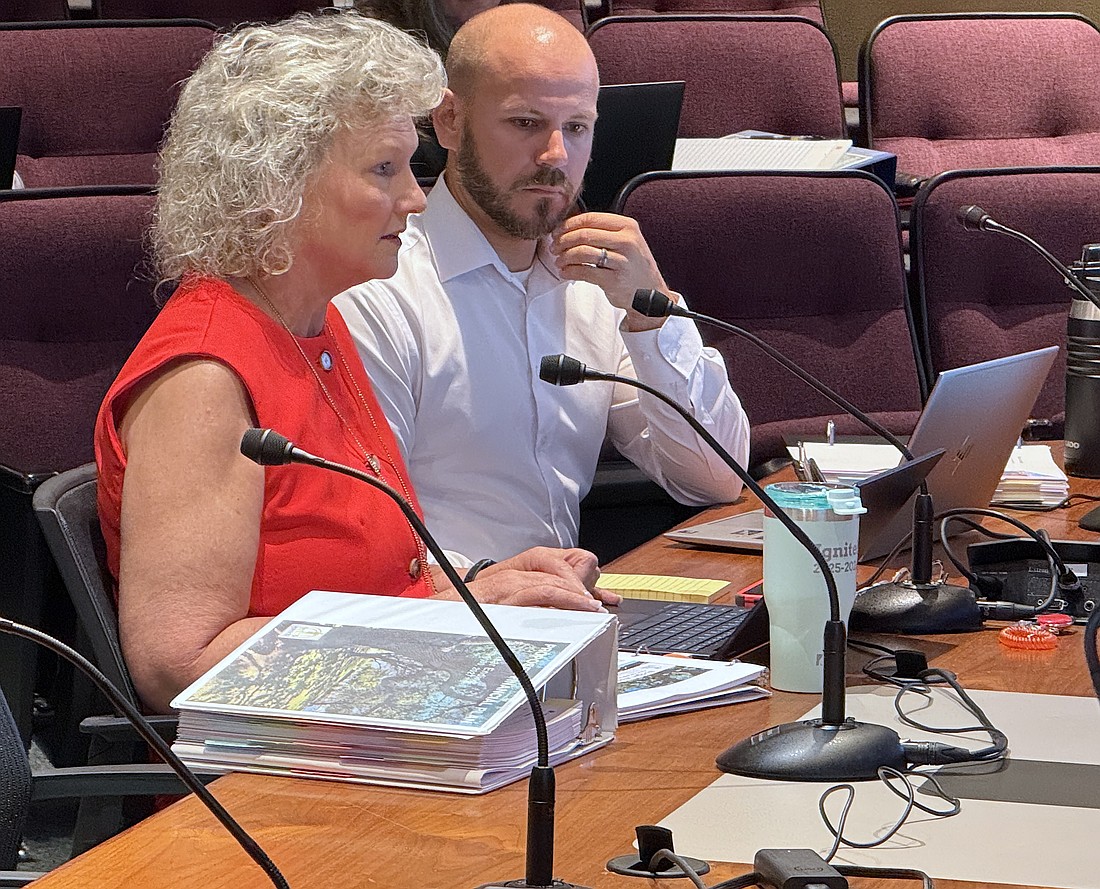
New City Manager Karie Friling presented her first preliminary budget to the City Commission during its July 27-28 workshop. The fiscal year 2027 spending plan proposes an overall increase of $18.7 million, which includes a $4.4 million hike in the general fund driven by cost-of-living adjustments and non-discretionary costs. It also aims to continue the three-year plan initiated under former Interim City Manager Dave Bullock to restore the fund balance to the city’s policy range of 17% to 25% of the general fund.
“While our focus today is on adopting a balanced and fiscally responsible budget for next year, we must also be prepared for the uncertainty that could result if the amendment is approved,” Friling told commissioners at the outset of the workshops. “Accordingly, we are moving forward on two parallel paths.”
The first track is consideration of a balanced budget aimed at strengthening the city’s financial position while maintaining the current level of service to residents and businesses.
“The second,” Friling said, “is evaluating the potential long-term financial impacts of the proposed Amendment 3, and developing thoughtful response strategies should the measure be ultimately approved.”
Because 73% of the city’s budget is comprised of personnel costs, that’s a potential strategic starting point.
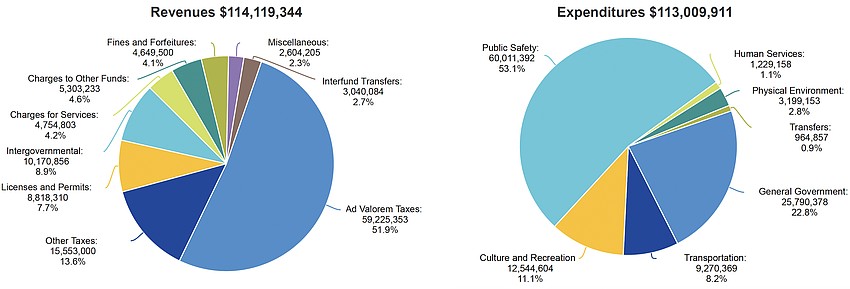
The total proposed budget is $322.36 million, with about one-third of that — $113 million — making up the general fund. The remainder is comprised of debt service, special revenue and self-sufficient enterprise funds such as utilities, solid waste collection, etc. The city estimates the impact of Amendment 3 to be $5.5 million by fiscal year 2029, which is when the homestead exemption rises from the current $50,000 to $250,000, if approved.
With additional protections included included in Amendment 3, such as capping tax value assessment increases at 5% per year for all non-homesteaded properties, that leaves raising the millage rate or cutting expenses within the general fund as the only gap-filling alternatives.
That conversation, though, is for another day.
“These efforts are centered on three areas — identifying opportunities to reduce costs while minimizing negative impacts to essential services, evaluating revenue options that could help sustain current service levels, and improving organizational efficiency and business processes to deliver services that are effective and at lower long-term costs,” Friling said of future budgetary conversations. “Our objective is not across-the-board reduction, but targeted, data-driven recommendations that protect core services and position the city for long-term financial sustainability.
"Simply put, our approach is to use a scalpel, not a sledgehammer, as we approach November.”
Proposed fiscal 2027 vs. fiscal 2026 adopted budget | |||
| Fiscal 2026 Adopted | Fiscal 2027 Proposed | Change | |
| General Fund | $108,372,282 | $113,030,131 | +4.30% |
| Special Revenue Funds | $41,082,681 | $38,743,101 | -5.69% |
| Debt Service Funds | $7,551,424 | $7,553,314 | +0.03% |
| Enterprise Funds | $104,486,332 | $118,189,415 | +13.11% |
| Internal Service Funds | $32,341,082 | $35,301,415 | +9.15% |
| Trust Funds | $9,741,580 | $9,546,523 | -2.00% |
| Total | $303,575,381 | $322,363,899 | +6.20% |
Because the fiscal year 2027 budget must be adopted by Sept. 30 — more than a month before the general election — Friling said those recommendations will be presented to the commission at a future workshop separate from this year's budget adoption process.
As a precaution, though, Director of Financial Administration Kelly Strickland recommended that, until the fate of Amendment 3 — which will require 60% voter approval — is known, commissioners should pause progress on Sarasota Performing Arts Center, the Downtown Master Plan update, water transit between Bayfront Park and City Island and the affordable housing project on city-owned property at First Street.
The commission will consider those pauses at a later meeting.
Since the start of the pandemic, the city could rely on significantly rising tax values on properties for general fund revenue. Those annual increases, Strickland said, have been gradually leveling off, further complicating future budget implications.
“After several years of strong, strong increases — 17.85%, 13.16%, 9.7% and 6.3% — the most recent growth is 3.13%,” Strickland said. “Property values are still rising, but at a much more modest pace, which affects our future revenue growth. This slowing trend is important as we plan ahead, especially for long-term revenue stability.”
The commission will hold two public hearings before budget adoption in late September.