- July 16, 2026

-
-
Loading
Loading
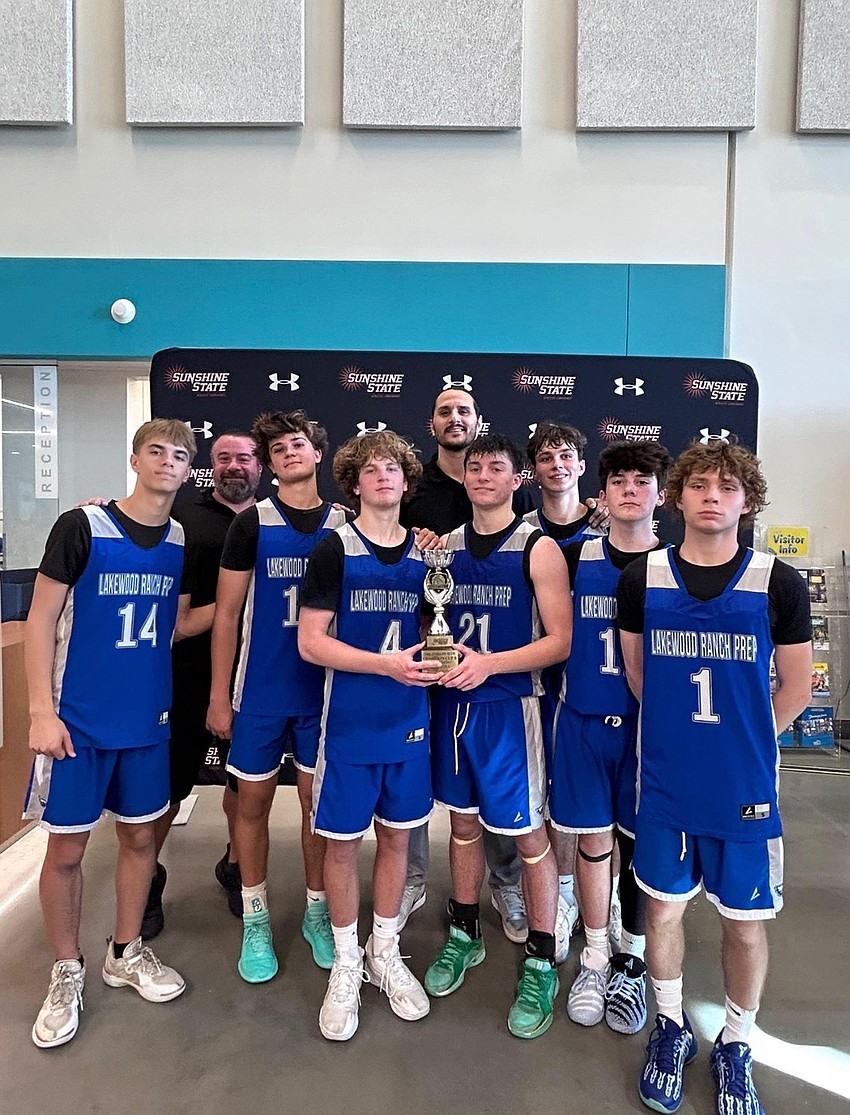
An “oh crap” moment of realization hit Mike Rostampour after his first practice overseas as a professional basketball player.
He was on his own.
He had to find the right foods to take care of his nutrition. He had to find a gym to take care of his body. And he had to keep his mental health in check so he could excel on the court.
There was no support system for him to lean on that night, and rarely was there ever that off-the-court support from 2015-21 while competing in Slovakia, Canada, Mexico, El Salvador and Iran.
That journey taught him a lesson he eventually would pass down to his Lakewood Ranch Prep boys basketball players. It was a lesson he considered the most important of all.
“If you want to be the best, you’re on your own,” Rostampour said.
Rostampour said while high school athletics might serve the players well in their overall development — as players, as students, as citizens — those who want to go above and beyond need to take ownership of that task.
Such is the wisdom of retired professional athletes. They have a wealth of knowledge and experience other coaches can't match.
Some former pros might keep that knowledge and experience close to the vest, but others feel a responsibility to share it with the next generation.
Both Sarasota and East County area teams are home to retired pros who now coach high school athletic programs. They have chosen to give back after their playing days, and will continue giving back during the 2026-27 academic year, starting Aug. 10.
Molding their respective approaches to coaching from their experiences as pro athletes took time, though. They had to learn the challenges of working with high school athletes.
Barry Cheesman, who’s entering his third year as the Sarasota High boys golf coach, made 82 cuts in 220 tournaments on the PGA Tour. He also has two Korn Ferry Tour wins to his name.
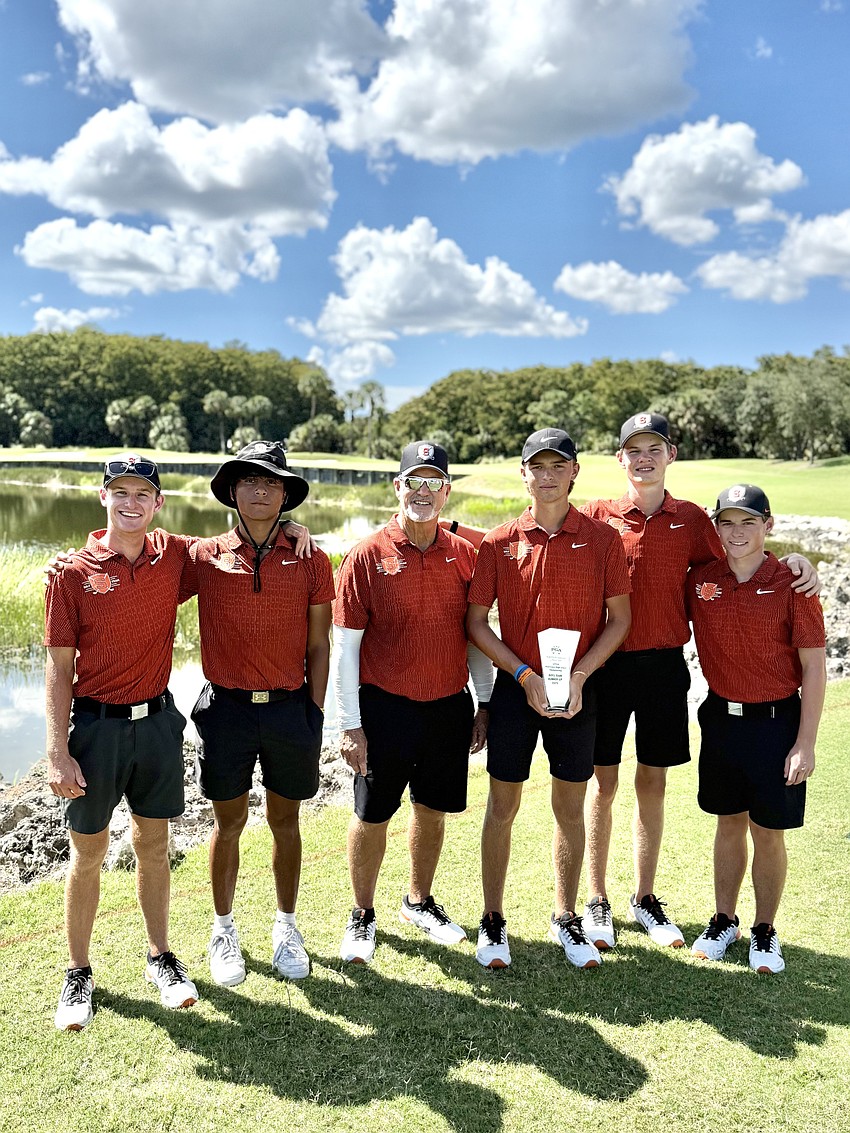
He became a PGA Teaching Professional in 2008, and had instructed high school-aged golfers one-on-one before joining the Sailors, helping them toward their goals. Leading a team of golfers with differing individual goals is not the same.
“They don’t know the time and effort they need to succeed at what they’re trying to do,” Cheesman said. “Not every kid wants to go to college and play golf, and not every kid is going to go to college and play golf. I try to convince them that they can.”
Former pros understand that there might be a heightened expectation when they take over as a high school coach.
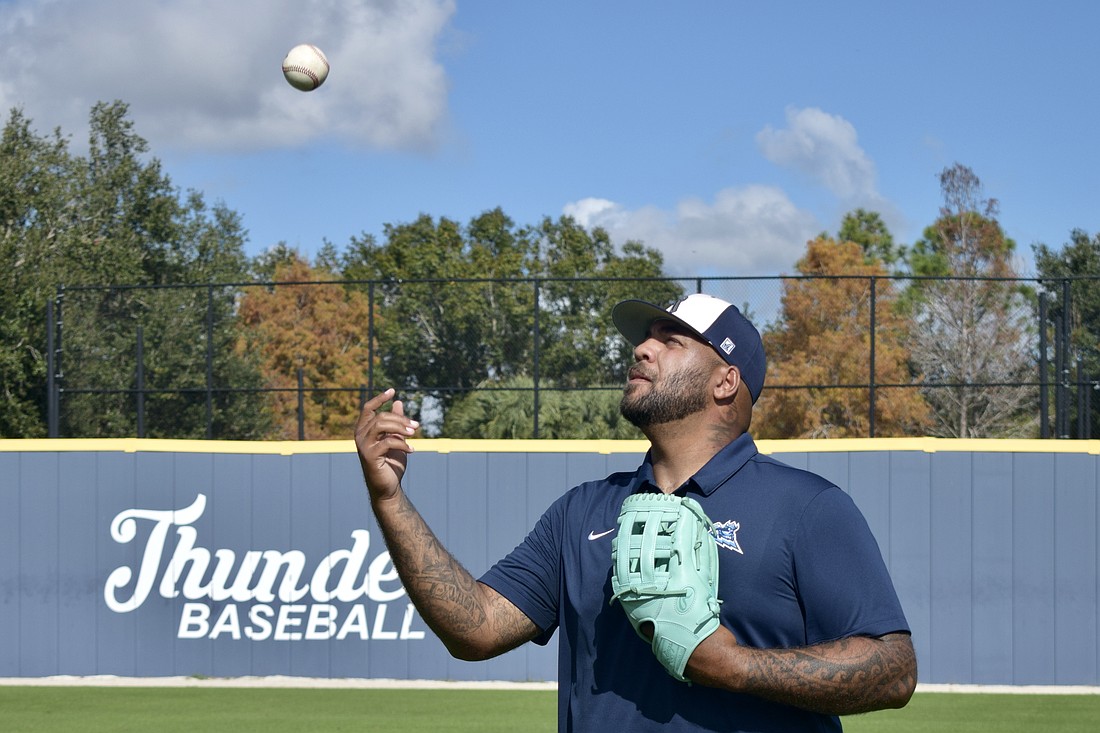
Jordan Guerrero, who was a first-year coach for Out-of-Door Academy baseball last season, encourages his players to set lofty goals. But he does remind them of reality.
A 2014 Braden River High graduate, he pitched in the San Diego Padres organization from 2015-23, getting as far as the Triple-A El Paso Chihuahuas.
He knows that only a select few make it to the minors, and even fewer, Major League Baseball. Everyone’s path is different. Guerrero identifies each of his athletes’ paths and shows them how to follow it.
“It would be easy for me to say, ‘Hey, if you work hard, you're going to reach your dreams.’ The real world, unfortunately, just doesn't work like that,” Guerrero said. “I go back to, ‘Hey, realistically, what is your path?’ It's definitely fun to try to piece together a puzzle of how guys can find out who they are individually.”
Former pros command a certain unspoken respect from high school athletes. Becoming a professional athlete, after all, is a considerable achievement.
Reasonably, that might help their voices might carry additional weight in their coaching roles. But that's not always the case.
Rostampour said he has found very few — if any — athletes, who care much about his own success.
His players know he played for the Iran men’s national basketball team in the 2020 Tokyo Olympics. They’re more interested in how they can reach their goals.
“This isn’t the Bob Knight era of 20, 30 years ago. This is an era where kids don’t care what you did in the past, they want to know what you can do for them now,” Rostampour said. “How are you treating them? Are you fair? Are you direct? Are you upfront?”
Do the former pros have an edge in the high school coaching world? One area might be the mental part of the game.
Regardless of their sport, they each faced considerable challenges to reach that level.
Pushing through tough times over the years is something most professionals have to manage.
Golf is no exception. Cheesman teaches his athletes to strengthen themselves mentally as often as he teaches them to strengthen their skills on the green.
“The way they practice, the way they approach their matches, the way they approach their rounds of golf — we’re constantly talking about stuff,” Cheesman said. “It’s more of the mental aspects that they encounter when they’re playing golf that can be really difficult for them.”
Guerrero had a conversation with one of his players a couple months ago. He said the conversation reminded him how important it is to coach the mental side of baseball.
This athlete was struggling and frustrated. Guerrero tried reassuring him that struggles are not few and far between in the sport.
“I’m like, ‘Hey man, who cares if you're struggling? Everyone goes through it,’” Guerrero said. “And he looked me in the face and said, ‘I care if I'm struggling.’ At that point, I'm like, ‘OK, this is tough. This is ingrained in this guy's mind. How can we get it out of him?’”
Both Cheesman and Rostampour recommended that fellow retired pros consider high school coaching. Guerrero said his experience has been positive, but also said he would only recommend it to those whose hearts are truly in it.
Those who do make the transition bring a unique perspective that can be valuable.
“I feel like I have a doctoral degree in basketball,” Rostampour said. “For me to keep all that knowledge to myself would seem selfish.”