- July 16, 2026

-
-
Loading
Loading
Sarasota Mayor Debbie Trice recalls that, when very young, she would pass by a golf course and marvel at the manicured and landscaped open space and ask if she could walk there.
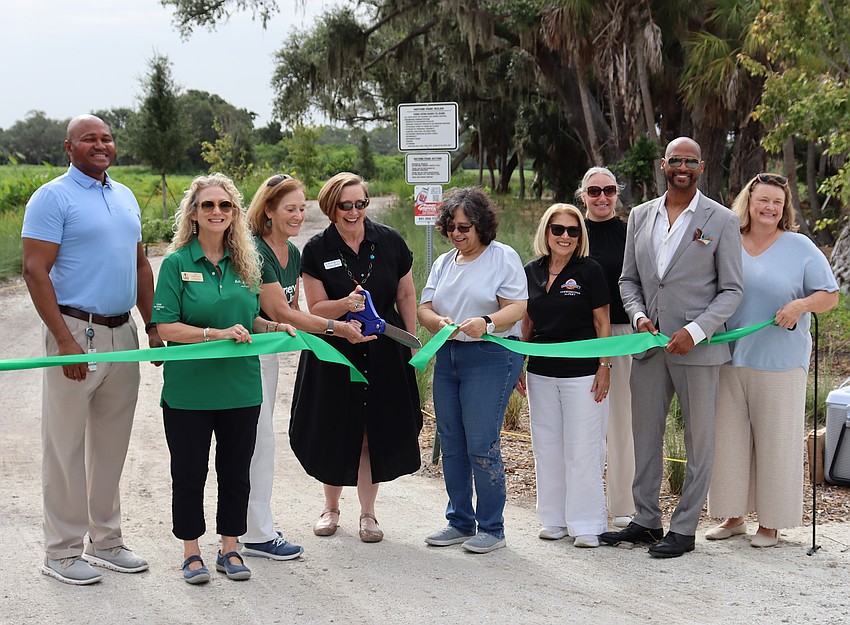
“I was told no, you have to pay and play golf. You can’t just walk the course,” she told fellow city commissioners and supporters of the Bobby Jones Golf Club and Nature Park. The occasion was a Monday ribbon-cutting to officially mark the completion of the first phase of the nature park portion of the 307-acre complex.
“I did eventually learn how to play golf,” she added, “but I really wanted to not be hitting a ball in order to walk on the open space.”
It has been famously said golf "is a good walk spoiled." If so, Bobby Jones Nature Park offers an unspoiled stroll through more than 100 acres of flora and fauna, serving the dual purpose of passive recreation and environmental protection.
To create the golf course/nature park complex, the formerly 36-hole golf course that occupied what was originally called Little Camp Sawgrass — the historical name for the marshy, low-lying area between Fruitville Road and 17th Street that was a natural catch basin for stormwater — was reduced to the original 18-hole Donald Ross layout during a restoration by golf course architect Richard Mandell of Pinehurst, North Carolina.
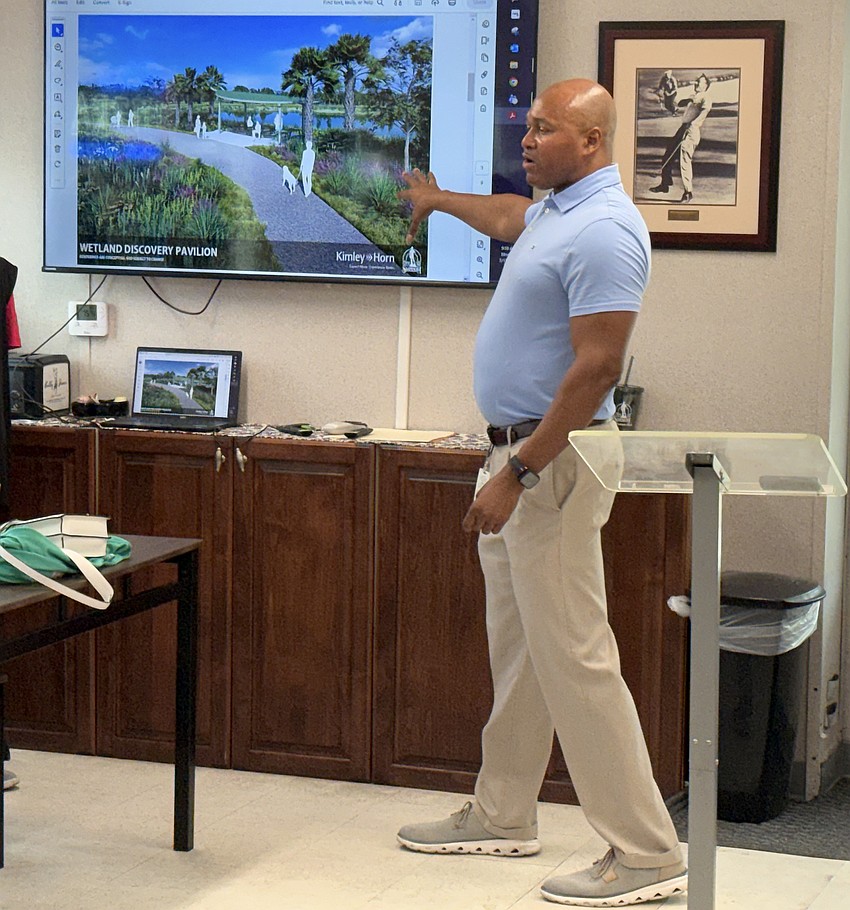
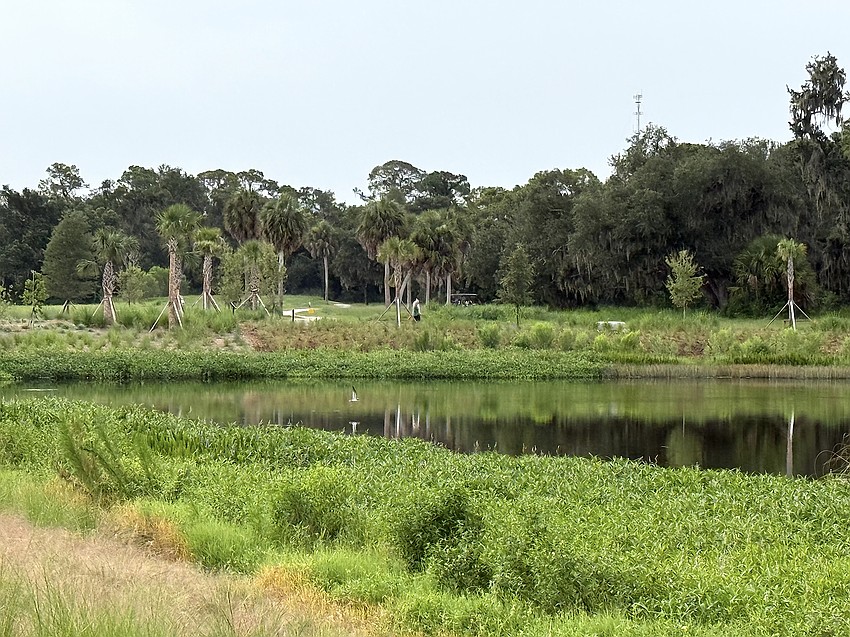
Mandell also oversaw the site work for the nature park, the two facilities functioning in harmony to prevent flooding and naturally purify stormwater that flows into the park from the north, before being discharged into a tributary of Philippi Creek and eventually into Sarasota Bay and the Gulf.
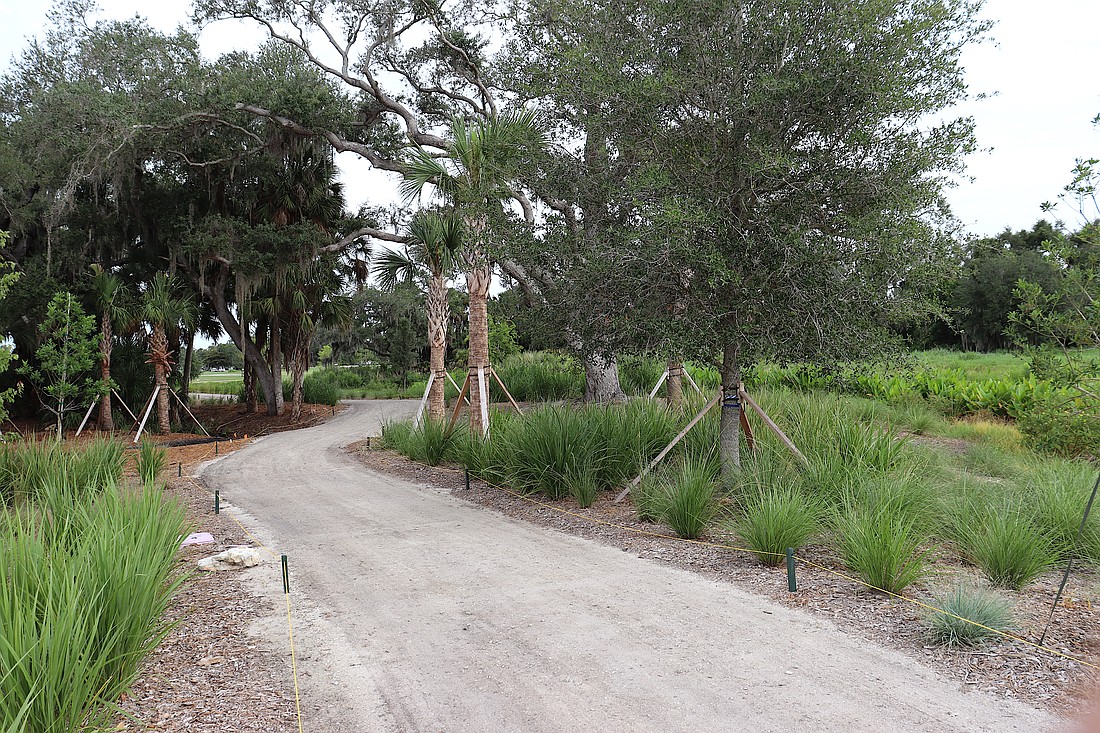
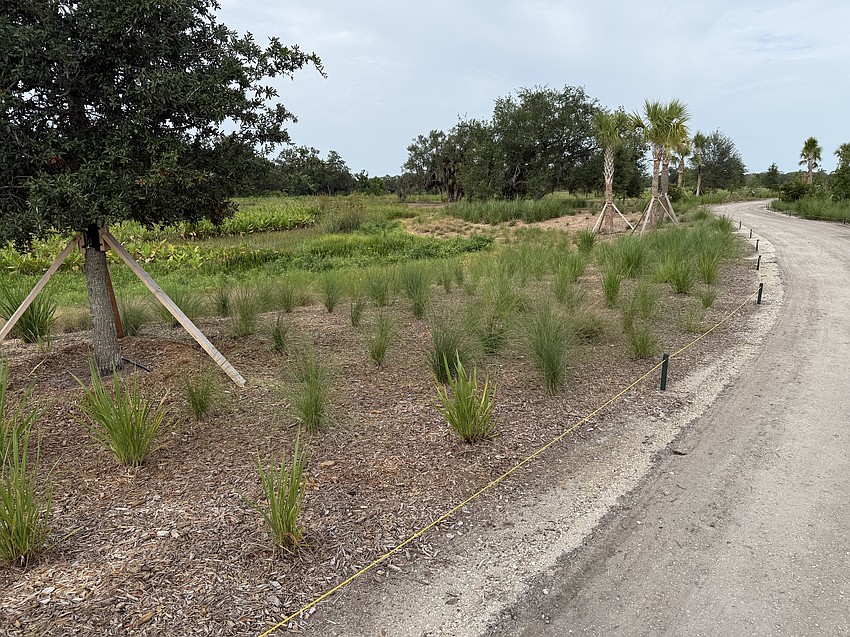
That work created new containment ponds and marshes where fairways and greens once lay that, nearly three years later, appear with already thriving habitats for birds, plants and other wildlife. Crushed‑shell and repurposed former golf cart paths provide winding walking and bicycling trails throughout the newly-created wetlands.
Park-goers and trail walkers intermingle with golfers as the trail leads from Circus Boulevard through the golf course entrance, past the practice range and into the 110-acre park adjacent to the Sarasota County's 17th Street Regional Park, which is undergoing redevelopment as an outdoor athletic complex.
The Bobby Jones Nature Park, which opened in 2023 before Phase 1 finished along with the restored golf course, was more than a decade in the making. Spearheaded by a coalition of nearby neighbors of the golf course, including now Vice Mayor Kathy Kelley Ohlrich, “We were relentless, and I'm sure the commissioners, (Parks and Recreation Director) Jerry Fogle and (former City Manager) Marlon Brown got really sick of us showing up at their doors asking what's going on,” she said.
After the golf course was shuttered in 2020, in part because of the pandemic but largely because the golf operations were no longer sustainable for the city, nature’s reclamation became clearly visible to passersby on Fruitville Road and 17th Street. Restoration work began in 2022 and the golf course opened to play in December 2023 along with trails providing access through the roughed-out nature park.
Capital for the golf course and nature park was funded by a $20 million bond, the debt thus far covered by golf course operations revenue. Park refinements cost $1.67 million, funded by the city’s park impact fees. Big Waters Land Trust is currently undergoing a capital campaign to raise $3.5 million to augment the park, which it has preserved in perpetuity.
“We have a special, special partnership with Big Waters (which) holds a conservation easement over the entire Bobby Jones property,” Fogle said.
To enhance the park, part of Big Waters’ campaign will pay for up to 2,000 trees in Phase 2.
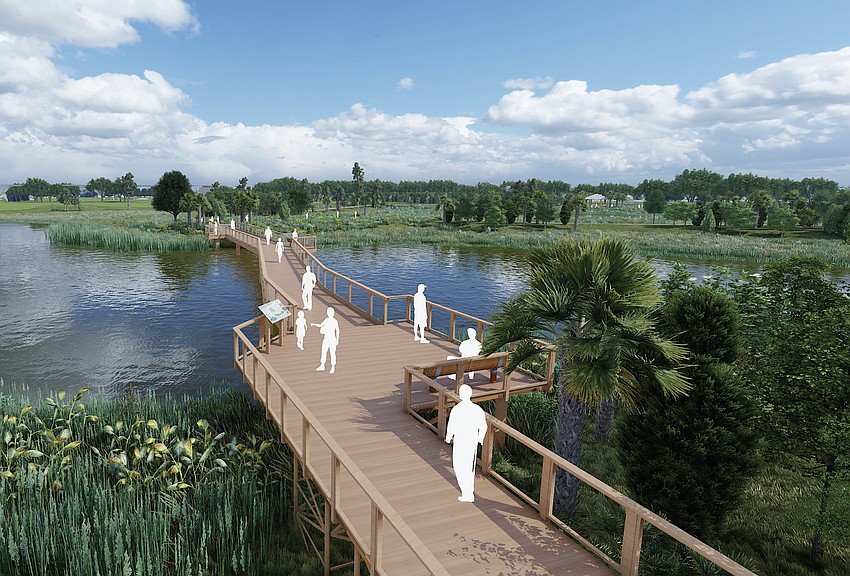
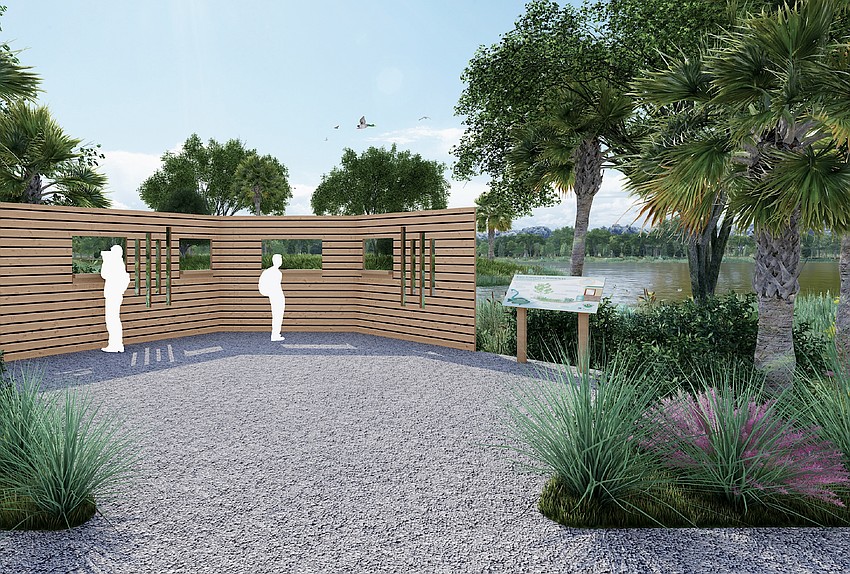
“We started talking about it in 2014 and doing something about it in 2017,” said Big Waters President Christine Johnson. “Now here we are in 2026. Not only is it protected forever, it is also a beautiful place for anyone to come regardless of whether they can pay, regardless of whether or not they are a citizen of the city, the county or the state.”
As an environmental organization, though, Big Waters' primary motivation to accept it as a permanent conservation easement was the control and natural filtration of stormwater.
All of the stormwater from University Town Center flows through the area before going to Philippi Creek and, ultimately, the bay, Johnson said.
“By slowing it down on this property, by making nature actually pull out those nutrients instead of dumping them into the bay and Philippi Creek, we are taking this ecosystem back to what it was," Johnson said.
Which is to say a swamp.
But a really nice one.
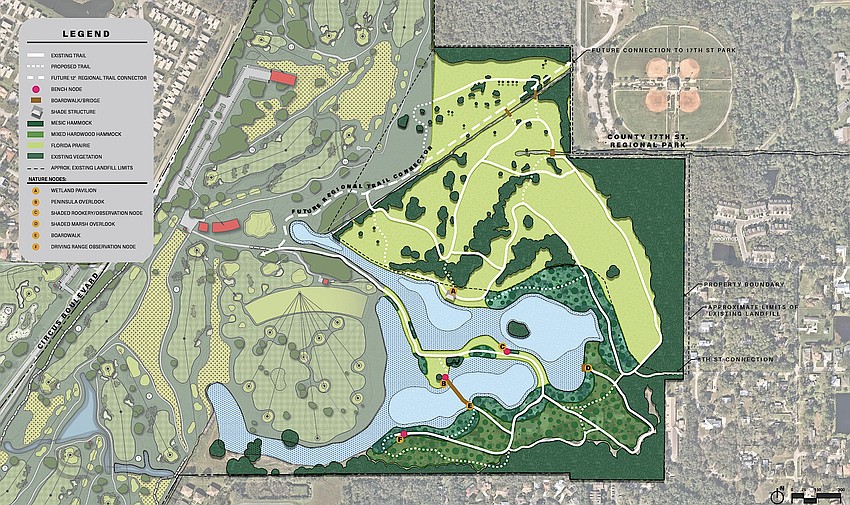
The 1.57‑mile Marlon Brown Eagle Trail, named for the former city manager who oversaw the development of the Bobby Jones project, is the park’s primary pathway, branching off into three scenic routes:
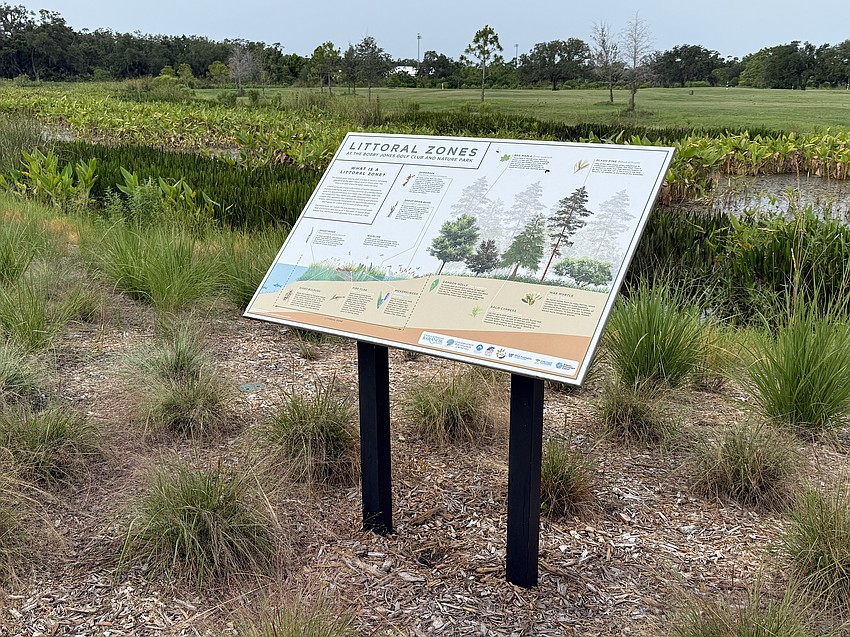
Phase 1 features upgraded walking trails, Florida-friendly trees and vegetation, wildlife viewing areas and more features. Phase 2 work is expected to begin later this year or early 2027, which will include a bird blind, boardwalk, overlooks and more trees and plants, among others.
New City Manager Karie Friling likened the Bobby Jones project to her previous work as executive director of the Forest Preserve District of DuPage County, Illinois.
“One of the things that we were charged was with protecting open lands and restoring it to its natural beauty that God intended, and we actually did a very similar project like this when I was up there,” she said. “I truly believe that it's our duty to protect open space for future generations, and I really have to applaud the foresight and leadership of the city of Sarasota at every level that you were able to do this.
“Now it's not just available for golfers, but it's available for everyone to enjoy, and I can't wait to be here for the next phase.”