
- August 13, 2026

-
-
Loading
Loading
The scene was as familiar as it was foreign — especially for Sarasota.
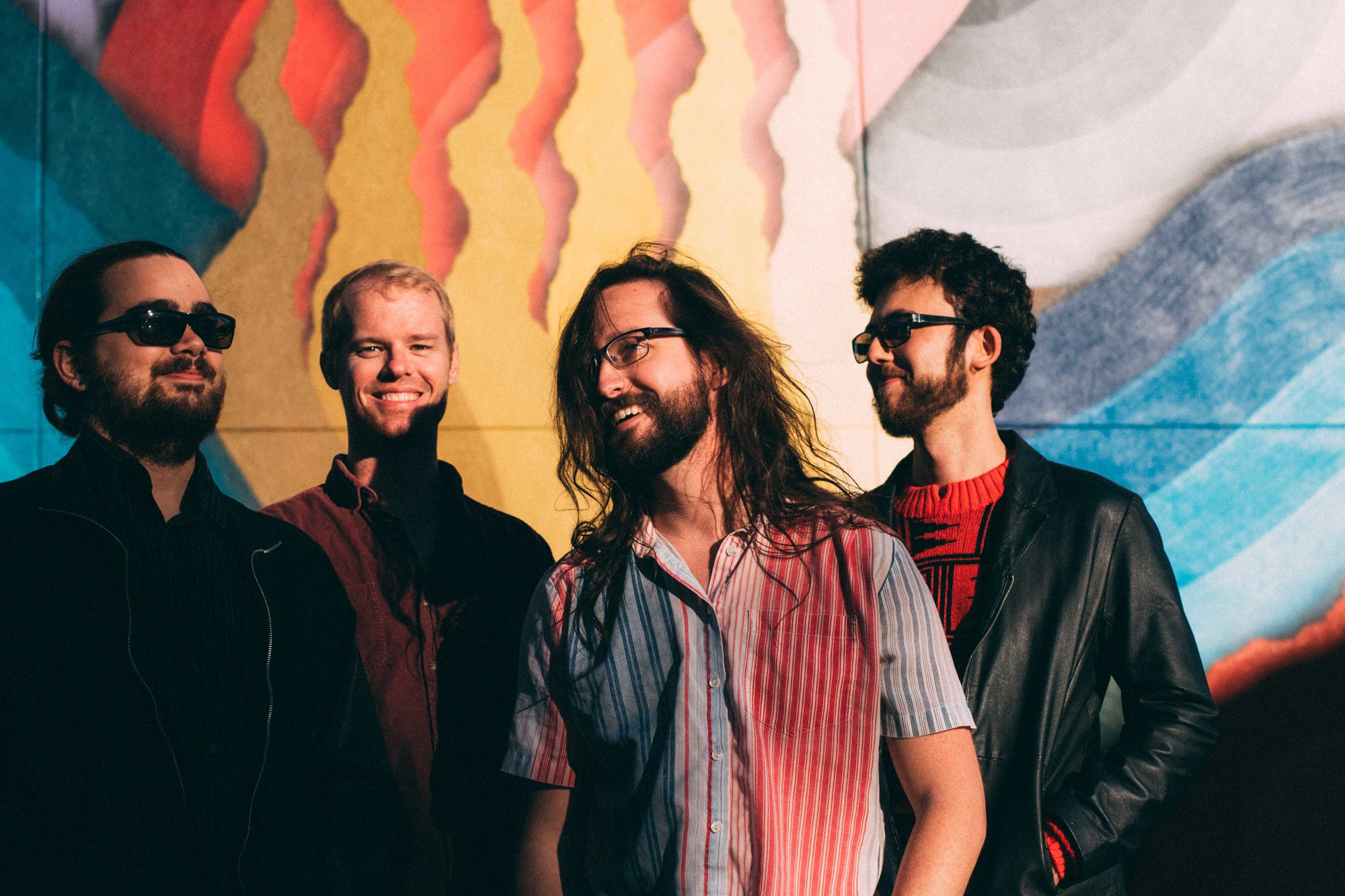
A sea of leather jacket-donning, beer-clutching millennials stood bopping their heads to live psychedelic/folk/rock tunes blaring through speakers outside a brewery.
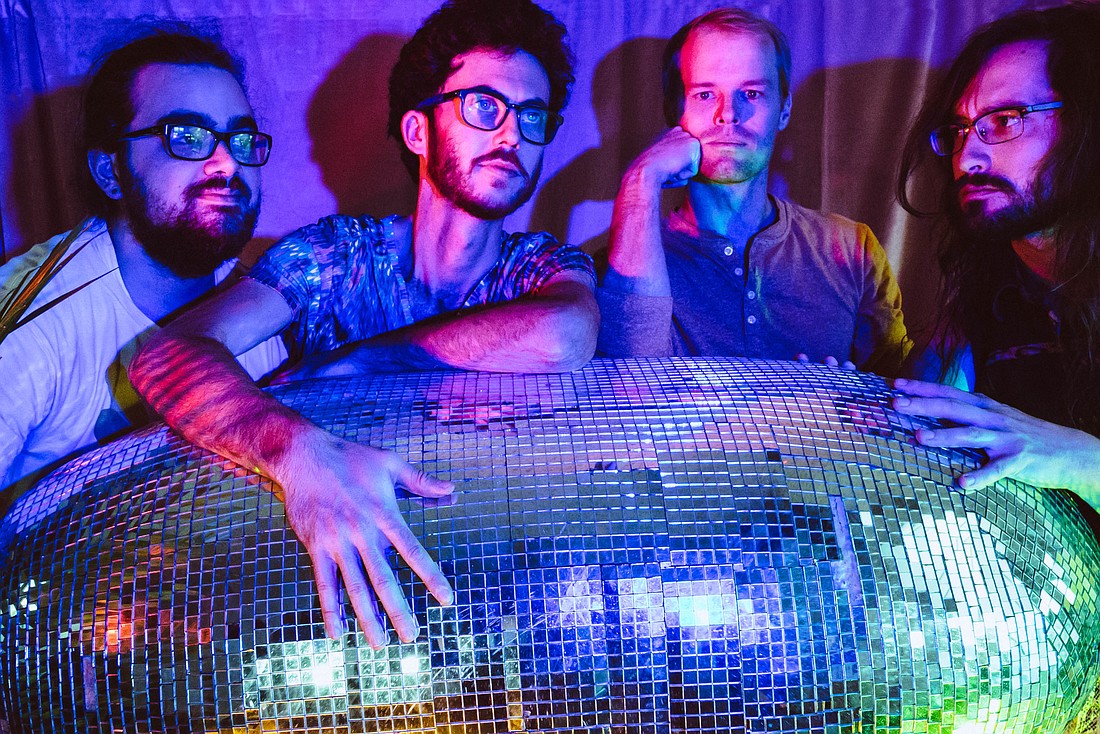
It was a chilly night for a concert by Florida standards — somewhere in the 50s temperature-wise — but that didn’t keep an energetic crowd of young people from packing the backyard of JDub’s Brewing Co. to celebrate the release of local four-man band Physical Plant’s first album.
“It was the sort of thing that, short of a festival, you don’t see much in Sarasota anymore,” says guitarist Josh Scheible. “It really was like the glory days when the scene was really active.”
Like many stories of growth, Physical Plant’s begins on a college campus.
The year was 2009, and singer-songwriter and keyboardist Caegan Quimby was a first-year student looking for something to do for his New College Independent Study Period project.
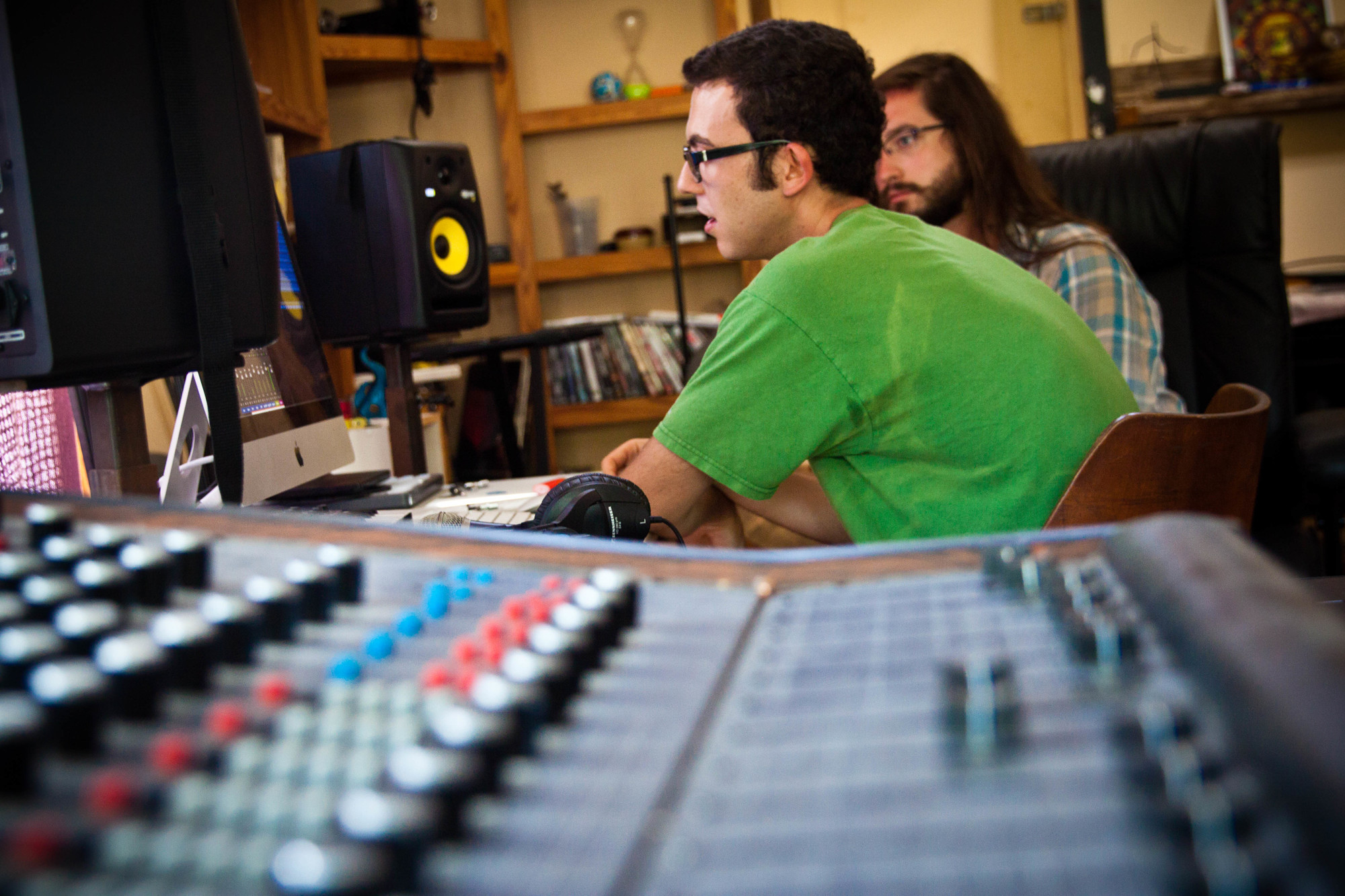
Quimby had always fostered an interest in recording music, and at the time he had a roommate, Lake Elrod, who had a knack for writing folk songs. The idea seemed perfect: Record a song and get class credit for it.
Scheible heard what Quimby was up to from a mutual friend and quickly tagged along.
“I was being a typical first-year college student and was not at all prepared,” says Scheible. “I figured that this was a way I could probably do nothing but play guitar and get credit for it, so I approached them about joining and figured out a way to write a paper about it.”
Within 45 minutes of their first meeting, Scheible knew they had formed a band.
That spring semester was spent writing songs together, and for the next two years, the group played various functions and venues — but they never left the New College campus. They were underage, and the only other places consistently hosting live music groups were bars.
Scheible says the DIY rock scene in 2011 was hopping, and the newly 21-year-olds starting playing the active bar circuit. Soon enough they were being asked to open for well-known local bands and they had their first EP, which was recorded in a dorm room using a single microphone passed between the four of them.
Then they graduated, and with a second EP under their belt, they did a tour of the Northeast. When they got back, they began recording the album that would, after a series of band changes, end up taking them nearly four years to release.
Between the time the band began its first recording sessions in 2014 to when “What’s Laid Down” was released Jan. 6, the band lost three members, and bassist David Baker moved to St. Petersburg to teach high school English full time.
“So it was me and Caegan and our bassist who could see us once a month, so we were like, ‘Is this still a band?’’ Scheible says. “So that put a huge question mark on the future of the record.”
That all changed when they found a drummer who would double as their PR mastermind.
Just a couple weeks after bonding with event organizer (and self-described Physical Plant “fanboy”) Ryan McCarthy over a broken generator at a 5 a.m. Sarasota Music Half Marathon gig, Scheible and McCarthy ended up at party together.
They met up in the same room of the same house that the band used for its first album recording session.
Fast forward to October and it was McCarthy sending out the early release of “What’s Laid Down” to town influencers until finally booking the gig at JDub’s. And it was not only the high turnout but the diverse makeup of the crowd at the Jan. 6 album release show that he’s proud of.
“People that weren’t college kids were coming out to watch an original music show, which does not happen (here),” McCarthy says.
McCarthy notes that there are many talented bands booking cover gigs and throwing a few original songs into the mix, but having a show that was grassroots organized, composed of all original music and didn’t get support from a bunch of sponsors is not common in Sarasota. And economically, one can see why.
Scheible sees a definitive difference between the turnout of shows in 2010-2012 to now, and he thinks the decrease is largely due to what appears to be fewer venues booking local bands.
But if those who care about live music are willing to turn up for the shows that do exist, he says good things will happen.
“If people aren’t showing up and supporting local music around here, all you’re going to hear is ‘Margaritaville’ at bars,” Scheible says.
It’s not enough to simply like a band on social media, he says. Music fans have to come out, buy drinks and give venue owners an economic reason to host shows.
One challenge local bands face when trying to attract a crowd is that many of the venues are 21 and up, barring the crowd in their late teens that used to be allowed to watch shows at bars.
However, establishments like JDub’s get around this rule and allow not only millennials but older music fans and their kids to come out to shows.
“That’s something I was excited about, to not just see college kids,” Scheible says. “Really, our target demographic is classic rock dads, that’s who should really love us.”
The band agrees that one reason the live music scene has lost some of its sparkle is because many young musicians can’t handle the challenges of being surrounded by an older, turn-the-music-down generation.
“There was a huge flight of talent because it seemed like things were really detracting here,” Scheible says. “So we’ve had a lot of bigger musicians going off into bigger markets — but there are more young people now.”
The Sarasota music scene is headed in a positive direction, McCarthy says, but musicians and fans need to work together to keep up that forward movement.
“Usually people with intense energy who are in Sarasota — they’re frustrated,” Quimby says of why they leave. “But there are great people here who are trying, despite the odds, to do things.”
Asked why he’s stayed in Sarasota despite the challenges, Quimby says he’s considered leaving, but it’s the local community of musicians he’s helped promote and befriended that he has a soft spot for. His bandmates agree.
“When the scene is at the point that it’s at right now where everyone is working together ... it really attaches you personally to the scene,” McCarthy says. “Which makes you want to work for it a lot more.”
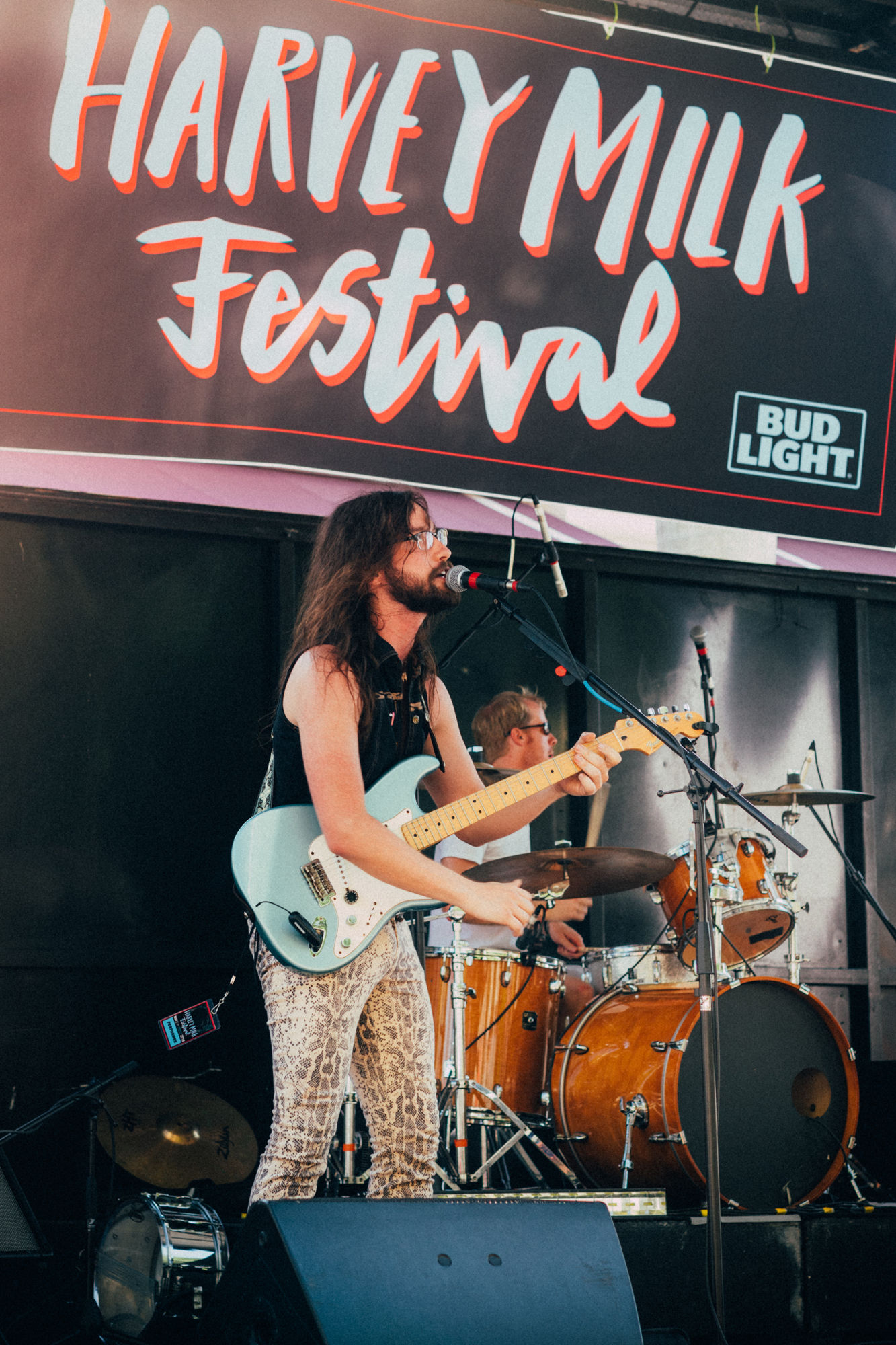
He notes that if it weren’t for musicians such as Shannon Fortner of Astralis who are also playing the role of promoter (she runs both Ringling Underground and the Harvey Milk Festival), there would be no link between the musicians and the venue owners whom they need as a platform.
“The core active group of musicians that are busy here and stay busy are just relentless,” Scheible says. “They just keep going ... This stuff can happen here. There’s an audience for it.”