- July 7, 2026

-
-
Loading
Loading
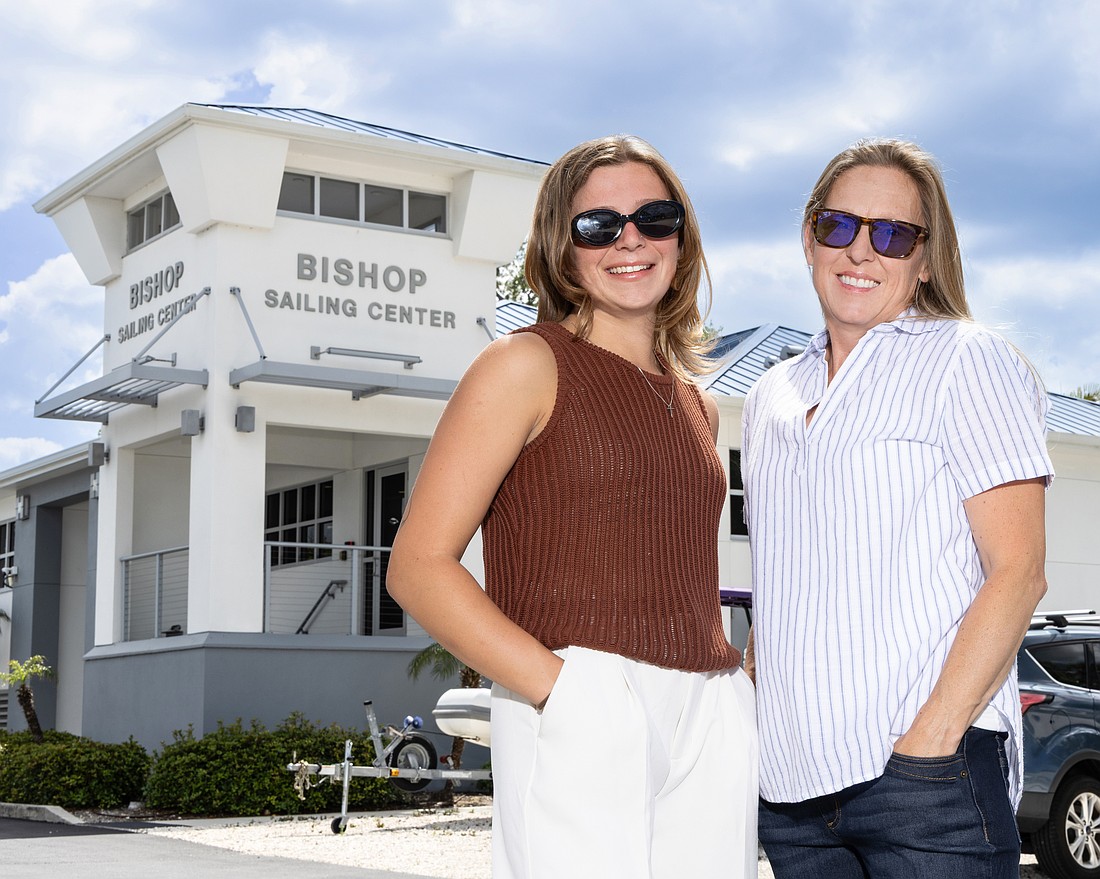
After decades on a steady course, the Manatee River Youth Sailing Program is navigating a season of change. The 87-year-old nonprofit now faces a period of transition, as the loss of long-standing private funding, a leadership shift at the coaching level and the lingering effects of Covid converge — reshaping how it operates, supports its sailors and sustains its future.
Founded in 1938 by the Manatee River Boat Club, the program has always been rooted in a simple mission: to teach young people to sail in an environment of fun, sportsmanship and community. While locations and structures have changed over time, one constant remained: for most of its history, funding came from a private foundation created specifically to sustain it.
That changed in 2023, when the program’s longtime benefactor died, ending more than 70 years of private support. The timing compounded existing challenges, including the resignation of the head sailing coach and the ongoing effort to fully rebound from the pandemic. The program had $1.3 million in assets in its most recent fiscal year, public tax filings show.
“Prior to two years ago, we had private support from our own foundation,” says MRYSP Executive Director Emily Crotty. “So, right now we are essentially rebuilding our program while navigating the transition to a public charity.”
Despite the headwinds, Crotty and current Head Sailing Coach Macy Parke remain confident in the program’s future.
“Our mission hasn’t changed,” Crotty says. “We are supporting and promoting sport sailing for youth that is fun, that encourages sportsmanship and teamwork on the water and teaches respect for the marine environment.”
That mission plays out on the water every day. Serving youth ages 6 to 16 from Bradenton, Palmetto and Lakewood Ranch, the program introduces beginners with a training cube and advances them through boats like Club 420s and Sunfish. For now, however, a long-time aspect of the program — racing — is on hold as the organization focuses on rebuilding and expanding access.
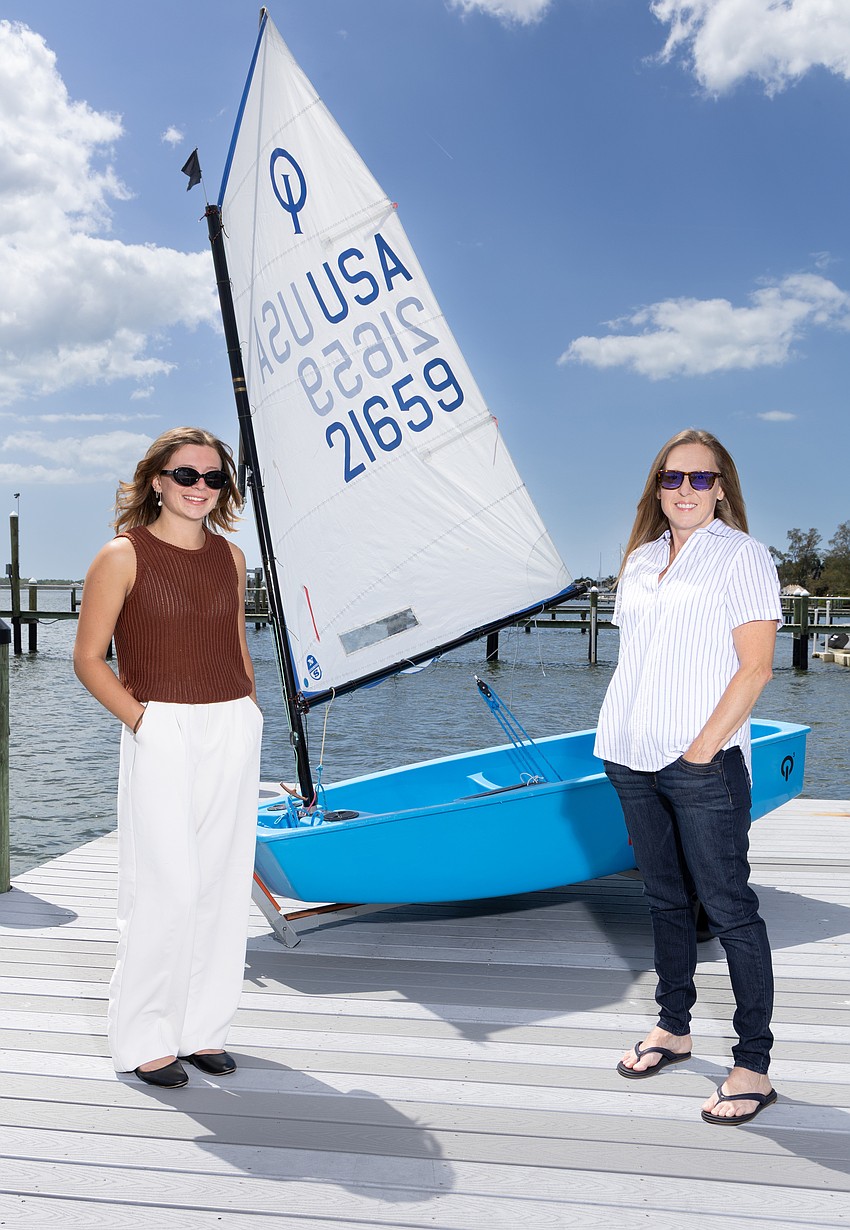
“All of our kids learn the basics of boating,” says Parke. “We start them with an introduction in the classroom called the ‘wind clock,’ which teaches how to trim the sails in the direction of the wind. We also walk them through how to set the boats up and rig them. Only then do they go out on the water.”
From there, the learning becomes more personal — and more impactful.
Out on the water, there’s no script. Sailors learn to read the wind, make decisions and adjust in real time. The result is more than skill-building; it’s confidence, independence and trust in their own judgment, notes Parke.
“Sailing teaches a lot of teamwork and sportsmanship, but also independence,” she adds. “The kids gain confidence because they’re the ones in control of the boat.”
That confidence often comes full circle, with experienced sailors stepping into informal leadership roles — mentoring younger participants and reinforcing the strong sense of community that has long defined the program.
Behind the scenes, the effort to sustain and grow the program is just as active. In response to the loss of private funding, MRYSP is building a more diversified financial future, including working with Bradenton nonprofit fundraising and grant consultant Leanne Rodriguez of She Gets Grants to identify new opportunities and support its transition to a public charity.
At the same time, the MRYSP board — made up of experienced sailors and professionals primarily connected to the local marine industry — is taking on a more hands-on role. “Our board is also in transition. They’ve never had to do fundraising or community outreach for us before,” says Crotty. “But they’re stepping up to meet the moment.”
Community outreach has become essential — not only to secure funding, but also to reshape public understanding. Alhough the program operates on the Bradenton Yacht Club property, it is not a private entity.
“We own the building and have a land lease with them,” Crotty explains, “but we are not part of the yacht club.”
That building — the Bishop Sailing Center, completed in 2017 — was designed specifically to support the program’s needs. It includes classroom and instructional space, an office area upstairs and ample room below for boat storage, rigging and hands-on learning. With an open layout, roll-up doors for direct water access and a dedicated beach launch area, the center is built to handle both daily training and the elements — housing more than 50 boats inside, with additional storage outside.
Expanding access to youth in the community is also a priority. “We want to reach kids who might not otherwise have the opportunity to sail,” says Crotty, who is both realistic and optimistic about the challenges — and opportunities.
“It’s not going to happen overnight,” she says about the work ahead. “We’re going back to basics, building ourselves back up in the community and expanding access so more kids have the opportunity to sail.”