- July 23, 2026

-
-
Loading
Loading
In Florida, the coontie plant serves as the main host plant for atala butterfly larvae.
The small caterpillars devour the plant and the toxin it contains, which finds its way inside them and produces the butterfly’s striking blue and orange coloration.
Historically, the plants were commonly harvested for their starch, leading to the near extinction of the atala butterfly species. Yet thanks to the ornamental plant business, the species returned and today is thriving in Florida.
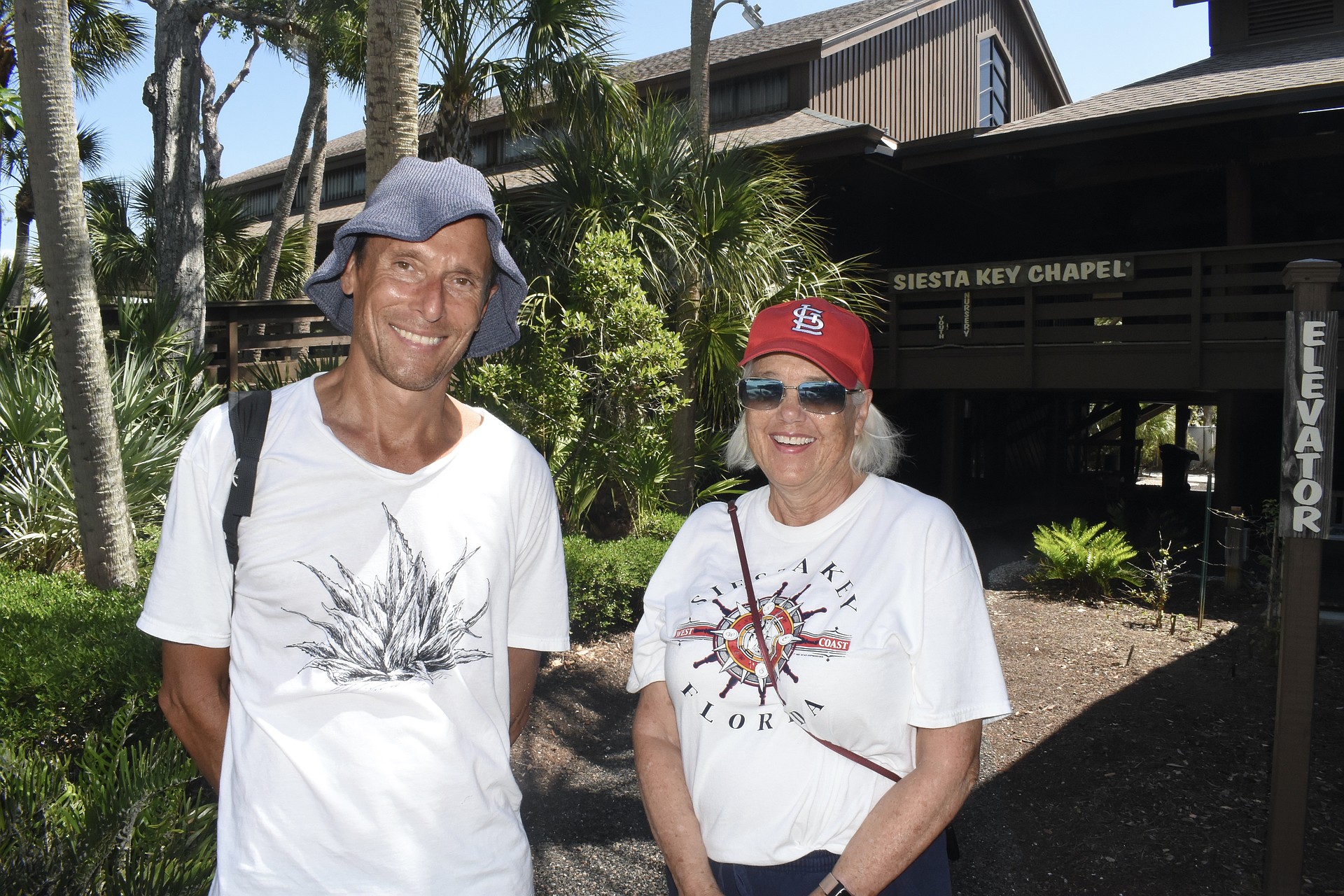
It's one example of the sustenance native plants can offer, as Dan Moriarty of Sarasota's Tree Foundation points out during a trip across the campus of Siesta Key Chapel.
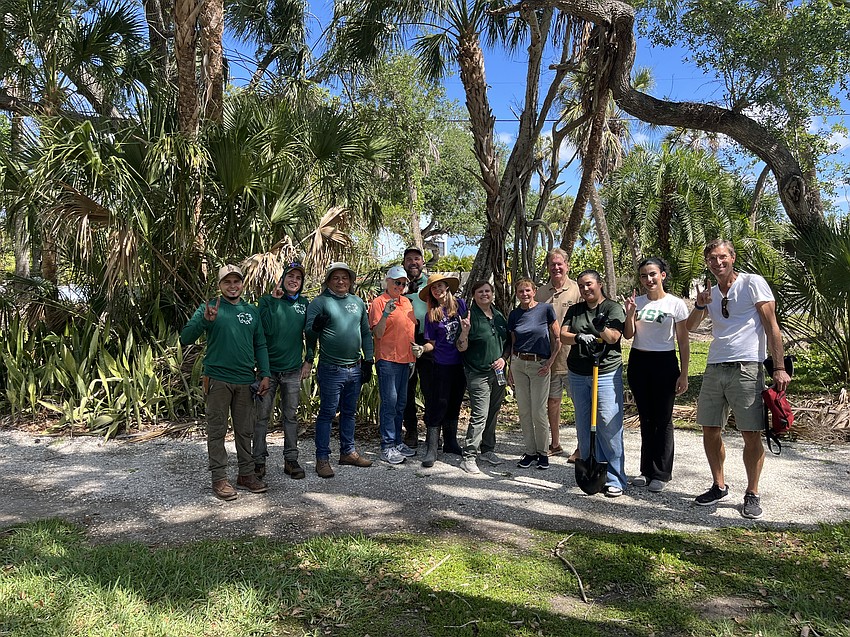
Although the forested area surrounding the local Presbyterian chapel was damaged by the hurricanes of 2024, Moriarty is part of a multi-organization partnership helping to restore the grounds of the Siesta Key landmark.
It's an initiative that also includes students from the University of South Florida Sarasota-Manatee Campus, who have the opportunity to help guide the project and take away knowledge to apply elsewhere, in the process.
To the untrained eye, the 5 acres on which the chapel is situated might appear to be level ground, but organizers say the environment is an upland maritime hammock.
A hammock is a slightly elevated piece of land with a contrasting ecosystem, featuring salt-tolerant vegetation and habitat for native wildlife. Project organizers say this site is the last biome of its type on the island.
On the grounds are the classic plants of a maritime hammock, including sable palms (also known as cabbage palms), live oak and slash pine, with a sprinkling of others, like various ficus and palm species.
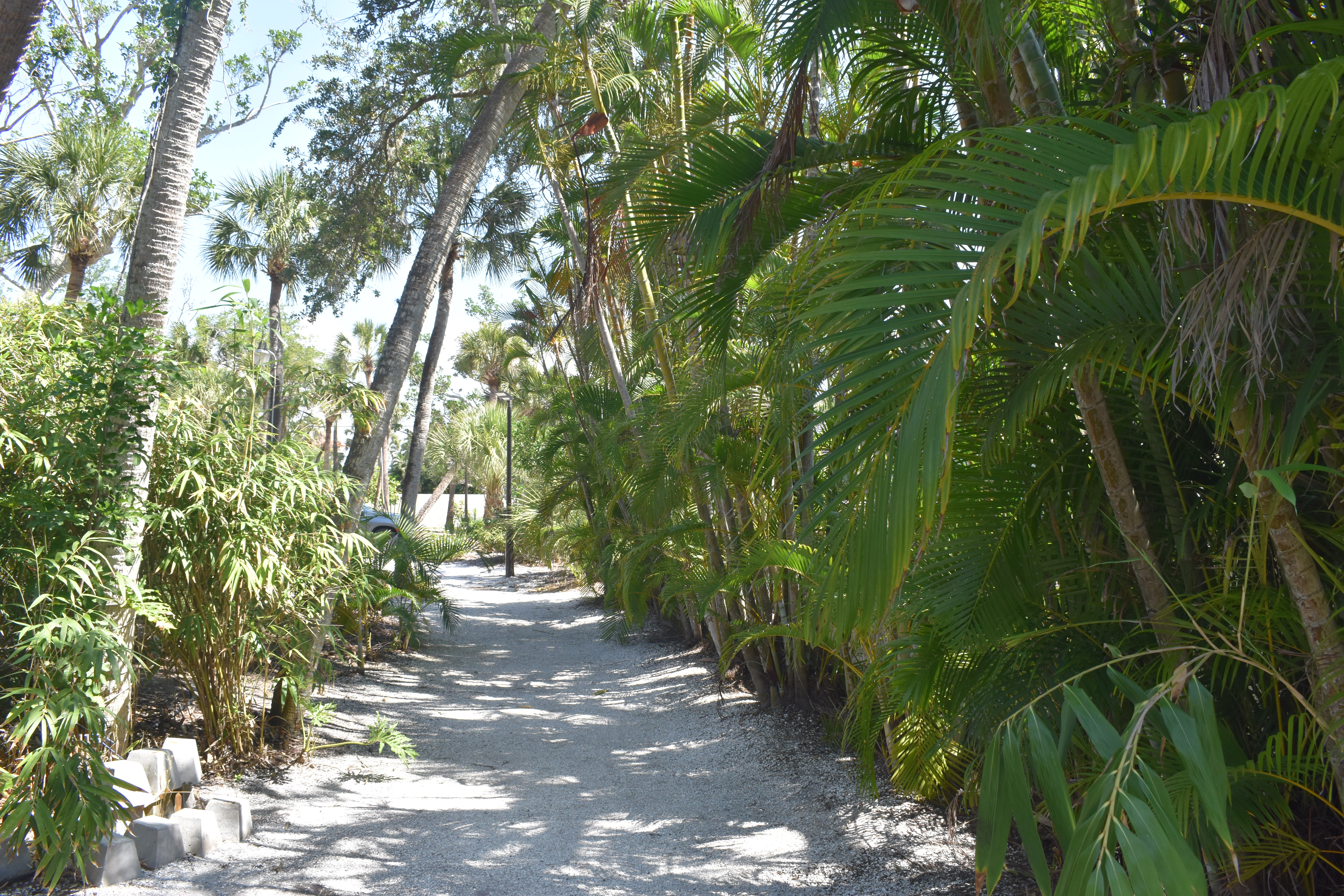
Moriarty, who is a community liaison and board member for the Tree Foundation, says the project is a religious and faith-based sanctuary, but also an ecological one.
“It's the story of Siesta Key, that its natural beauty has drawn so many people, but with that has come a lot of stresses from over-development and a lot of desirable properties, and so everything else has been sort of snapped up and converted into a residential or commercial property,” he said.
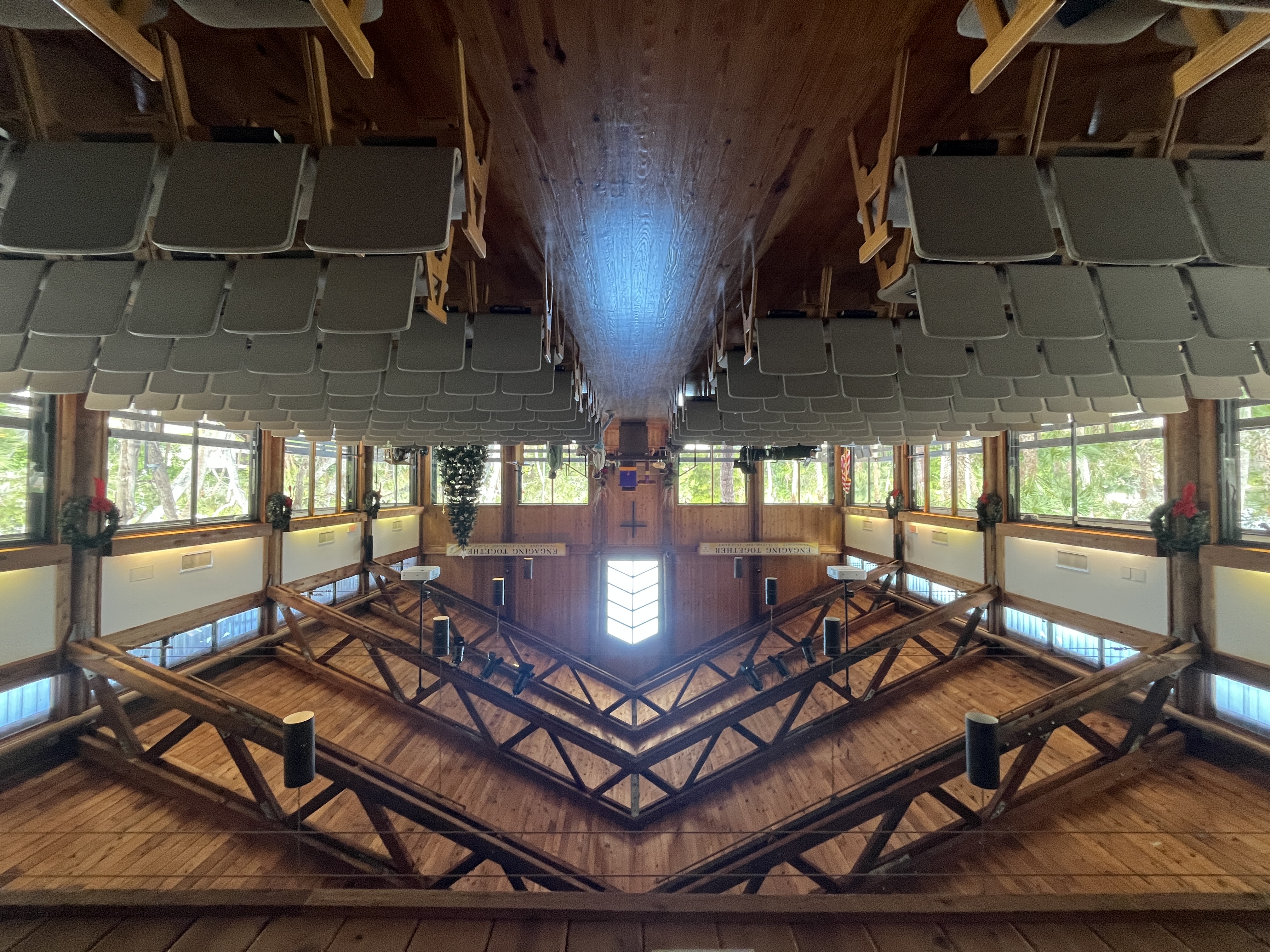
The chapel, which hosted its first service on the property in 1975, is a location that came to be known as "God's treehouse" due to its elevation above the ground and the visibility of the surrounding greenery from the sanctuary.
The building was honored with the 1976 Merci Award by the Gulf Coast Chapter of the American Institute of Architects. It can also be enjoyed by the community with the relatively recent addition of a prayer path.
"I've had people tell me that they got engaged there, that that was their first time on Siesta Key," said Scott Getty, co-chair of the church's community relations, which is overseeing the project. "They went over there, and they never forgot the experience," he said. "It stands out a little bit. We're hoping to rebuild that."
The team is at work restoring what Moriarty says is over an acre of the 5-acre space that contains the chapel structures and the areas used for parking. Thus far, they have planted two live oak trees and are in the process of site work that includes the removal of invasive species.
To date, the project has received two major financial contributions, a $25,000 matching grant from an anonymous donor and a $10,000 pledge from a chapel member.
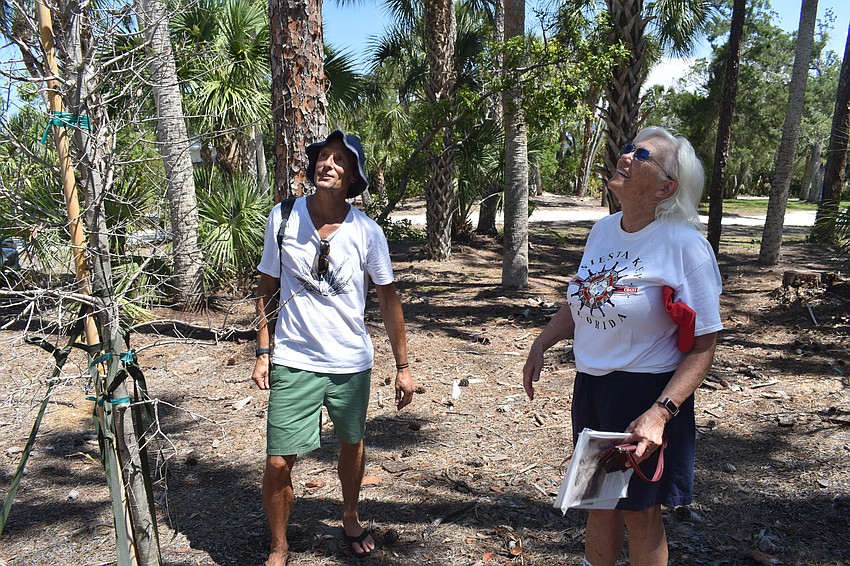
During the storms, the campus lost plants in the canopy and understory as well as soil structure. Pratt said 35 to 40 trees in the vicinity had to be removed because of the possibility that they could fall.
Moriarty said there is a list of 30 to 50 new species they plan to introduce through a plan following the Three Sisters logic from Native American agriculture; just as corn, beans and squash planted together support one another, so will the high canopy trees, low canopy trees, shrubbery and ground-covering vines.
Getty has been the driving force behind the project, and he says he has been moved to see the support.
The day before Thanksgiving, Professor Karen Atwood and the University of South Florida Sarasota-Manatee presented the chapel with an 81-page proposal.
He said his dream was to not just a restoration, but also a community effort.
"I am surprised how easy this effort has been, and I attribute that to a clear goal for restoring and preserving, and it's never one person. It's a collaboration of a lot of talented people," he said.
The Tree Foundation brings Executive Director Meg Lowman, also known as “Canopy Meg,” who led the creation of the Canopy Walkway project at Myakka River State Park.
As a “glocal” nonprofit, the organization performs much of its work outside the local area, Moriarty said. He said its motive in becoming involved with the project was to find an approach that can be replicated in other ecological pockets, including other faith-based organizations, in the local area.
Other groups involved include Oyster Bay River Ecology, the Siesta Key Association, The Landings Management and Preservation Committee and the mushroom-based soil remediation group Metamimicry. The church has also applied for a grant from Sarasota Bay Estuary Program.
With a walk along the prayer path, Moriarty is able to point out the benefits of the biome.
He notes the elevation of the property is consequential, with the roots of the slash pine extending deeply into the ground.
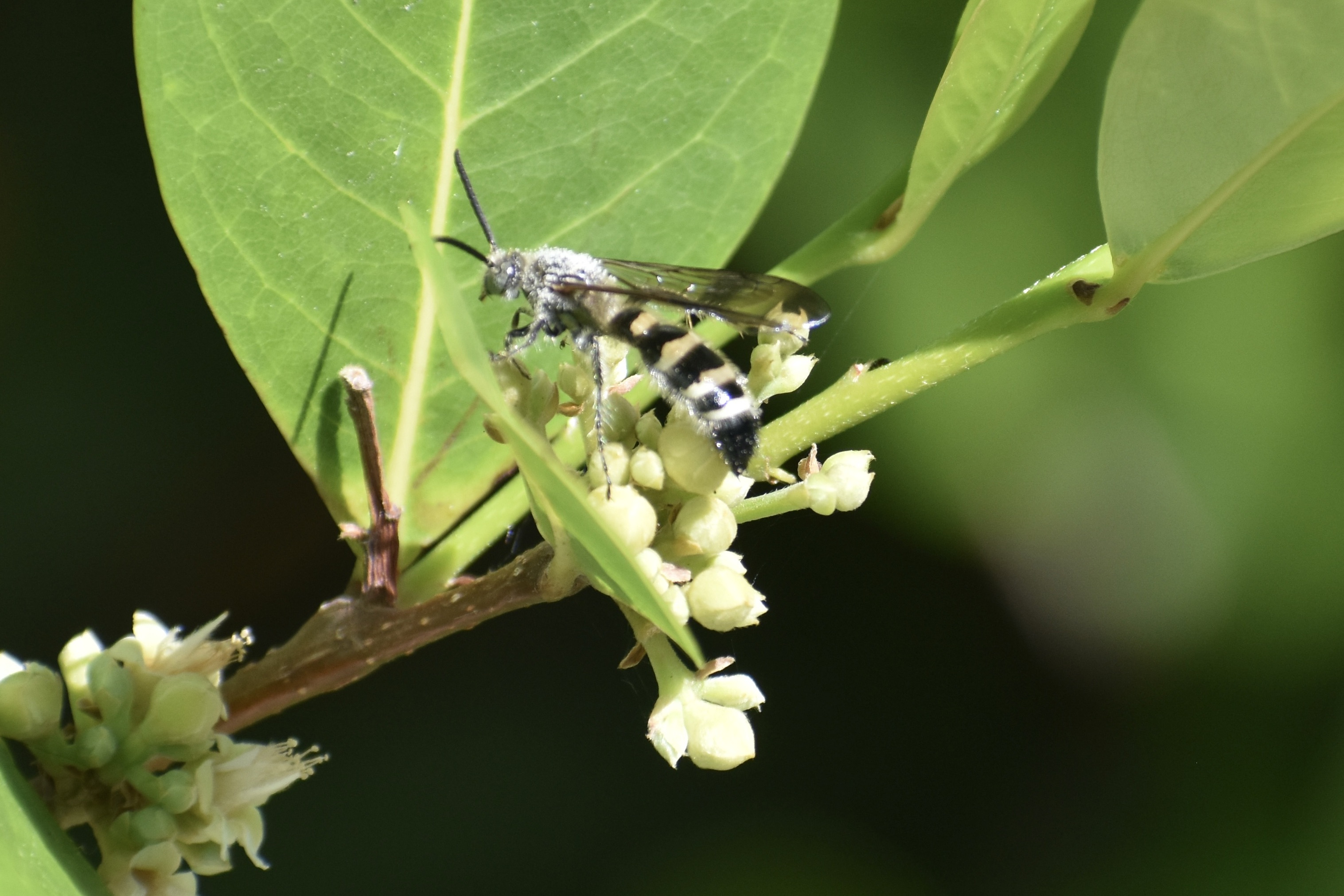
He also notes a solitary bee stopping by a cocoplum plant for a visit. He says these bees, which don't sting and don't live in large colonies, are something the project will highly encourage, for they aren't known to be discriminatory about which flowers they pollinate.
Near a native coffee plant, another feature he wants to encourage is a patch of snake plant, an invasive plant from West Africa known for its long, stiff leaves.
He says even the invasive plants can have benefits, like the provision of shade, meaning the case for removal is often not black and white.
“When I look at this, I think it's an argument for doing things incrementally and gradually,” he said. “Because if we were to come in and just remove everything all at once with a team of 1,000 volunteers, that might have a negative impact in the short term.”
Other work the team is performing involves harvesting pine needles to cover soil that has been exposed due to the removal of invasive plants. They have also set up an area for composting.
The result, he says, will be the restoration of a place enjoyed not just by the chapel, but by community members, although he says the community-seeking nature of the chapel aligns with the stewardship of the environment.
"That creates a really, really easy bridge to ecological interdependence and caregiving, and also just the spiritual health, the mental health that you can derive from spending time with other people, spending time worshiping, spending time in meditation, or getting your hands dirty and digging out at tree roots," he said.