- June 30, 2026

-
-
Loading
Loading
Summer is the time for high school athletes to kick back and relax.
With organized sports on hiatus, they can mostly trade cleats for flip-flops and separate from the season’s grind.
The same can be said for coaches. In this day and age, their work is both tireless and thankless, so June and July can be a much-needed break for them, too.
Relaxation is rare for athletic directors, though. These months are anything but relaxing for those hoping to set up their respective departments for success in 2026-27.
While many are at the beach or by the pool, they remain in the office, working with little fanfare to ensure everything athletics-related is in order.
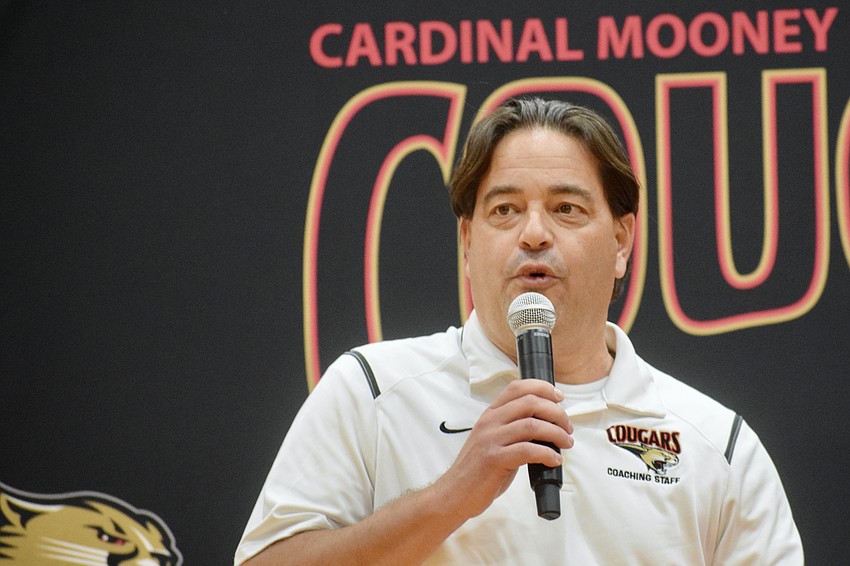
“I look at it like this. If you don't know who I am, I'm doing a great job,” said Rafael Fernandez, the Cardinal Mooney athletic director. “I'm a firm believer in, and I try to tell my coaches, ‘If no one's talking about you, that's probably a good thing.’”
Their to-do lists are lengthy. Clearance of coaches and athletes, organizing of the budget, compliance with new state mandates and fall sports scheduling are common priorities.
Many schools offer strength and conditioning programs for those athletes who choose not to rest. Coaching hires, if needed, are also athletic directors’ responsibility.
On-campus facilities are rarely in use with students out of school, making the summer an ideal time for improvements or maintenance. Cardinal Mooney has resurfaced its basketball court and will add a new floor its varsity locker room.
Braden River High is busy in that regard, too. Its grounds are undergoing a facelift which will benefit not just student-athletes.
“Students in general, when they come back in the fall, are going to see kind of a new campus,” said Matt Nesser, the Braden River High athletic director. “Everything’s going to be freshly painted. The gym is going to be redone in a lot of ways.”
Seasoned athletic directors know what to expect. They get a break from long nights without practices or games to attend, but that doesn’t mean the days are any less busy.
BJ Ivey, the Sarasota High athletic director, is in the thick of his third summer in the position. Years past have taught him to push fundraising — hard.
“A lot of people have this misconception that Sarasota County Schools gives us an athletic budget to pay for officials and uniforms and equipment and all the things (which are) needed to run an athletic program,” Ivey said. “They really don't. The only thing that we get is money for transportation."
This particular summer presents even more for athletic directors to manage. Multiple pieces of legislation will impact high schools across the state if they haven't already.
Chief among them is Senate Bill 1070, the “Second Chance Act,” which seeks to address the leading medical cause of death among student-athletes: sudden cardiac arrest.
All incoming freshmen will be required to undergo an electrocardiogram heart screening before participating in sanctioned sports. When the bill goes into effect July 1, Florida will formally become the first state to require EKG screenings for high school athletes.
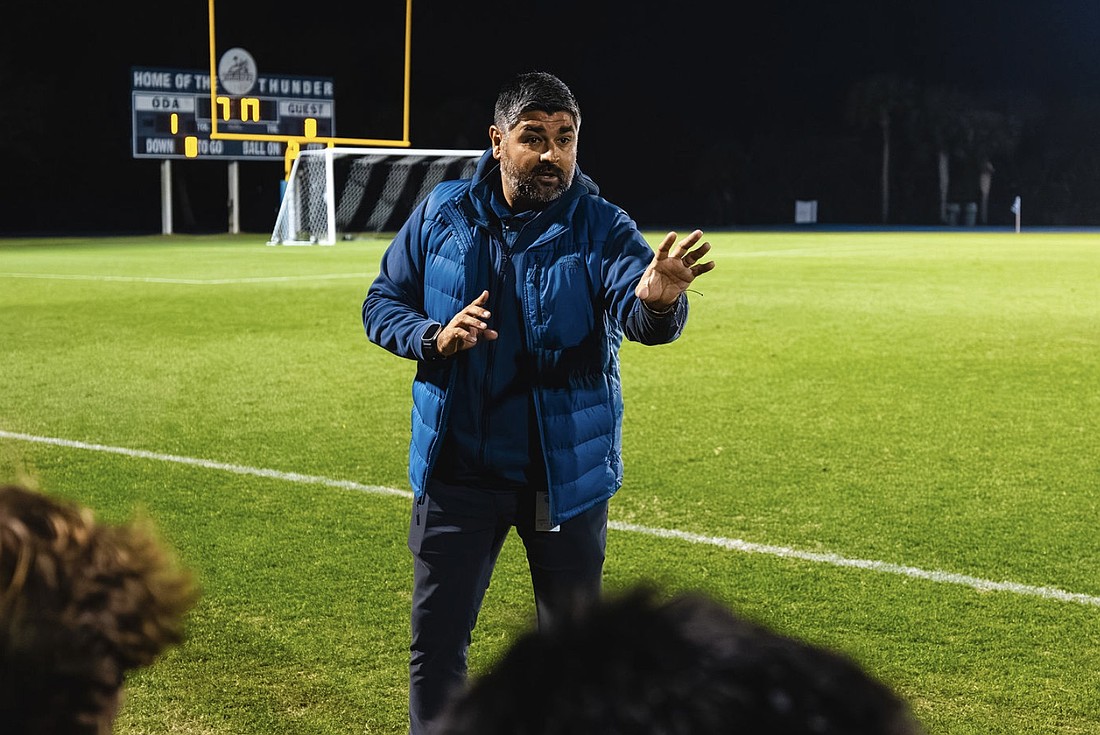
“It’s a curve, and I think there's a lot of uncertainty,” said Andres Parra, The Out-of-Door Academy athletic director. “People are a little reluctant to buy into the cardiac screenings, just because it is a scary thing if you find something, but at the same time, you want to help find any prevention that you can.”
Also in need of consideration are Senate Bill 178 and Senate Bill 538. The former allows high school coaches to spend up to $15,000 per year of their personal funds to cover expenses like food and transportation for their student-athletes.
SB 538 authorizes school boards to use funds generated by booster clubs for additional pay of coaches. It also prohibits students from competing for more than one school in one academic year and requires non-in-person students to compete for a school in their county of residence.
Fernandez, Ivey, Nesser and Parra all said they’re unsure if SB 538 will improve coaching pay at their respective schools in the near future.
“We’re all in a holding pattern,” Fernandez said. “This is uncharted waters. No one knows what it looks like or what it's going to mean. I'm just waiting on guidance from the Diocese of Venice on how they would like to go about addressing it with our booster clubs.”
No two athletic departments have the same order of priorities during the summer. Those vary based on their school’s most pressing athletic needs.
But for all of them, this is a period of reflection. It's time to look back on the rights and wrongs of the 2025-26 academic year and evaluate how to set up their teams for success.
“(For us, it’s about) really continuing to build on momentum,” Parra said. “ODA has started to make some noise in different sports, and our coaches have invested their time and energy. Without them, it's nearly impossible to make sure that our students are going in the right direction.”
Through Ivey's eyes, summer success boils down to three items. First among them is raising as much money as possible to support athletics. Second is ensuring that all coaches and athletes are cleared.
Third on his list is establishing strong lines of communication between the athletic department and coaches, the athletic department and athletes as well as between coaches and athletes.
“If you can check all those boxes… everything locked in and everybody's on the same page and ready to go,” Ivey said. “I would say that's a successful summer.”
June didn't offer an abundance of rest for athletic directors. With the Florida High School Athletic Association’s calendar beginning July 27, this month won’t be different.
Their summers don’t match those of their coaches or athletes. This job simply prevents them from sitting still.