- July 20, 2026

-
-
Loading
Loading
The St. Regis Longboat Key Resort introduced a sizable aquatic feature intended to highlight marine life unique to Southwest Florida nearly two years ago.
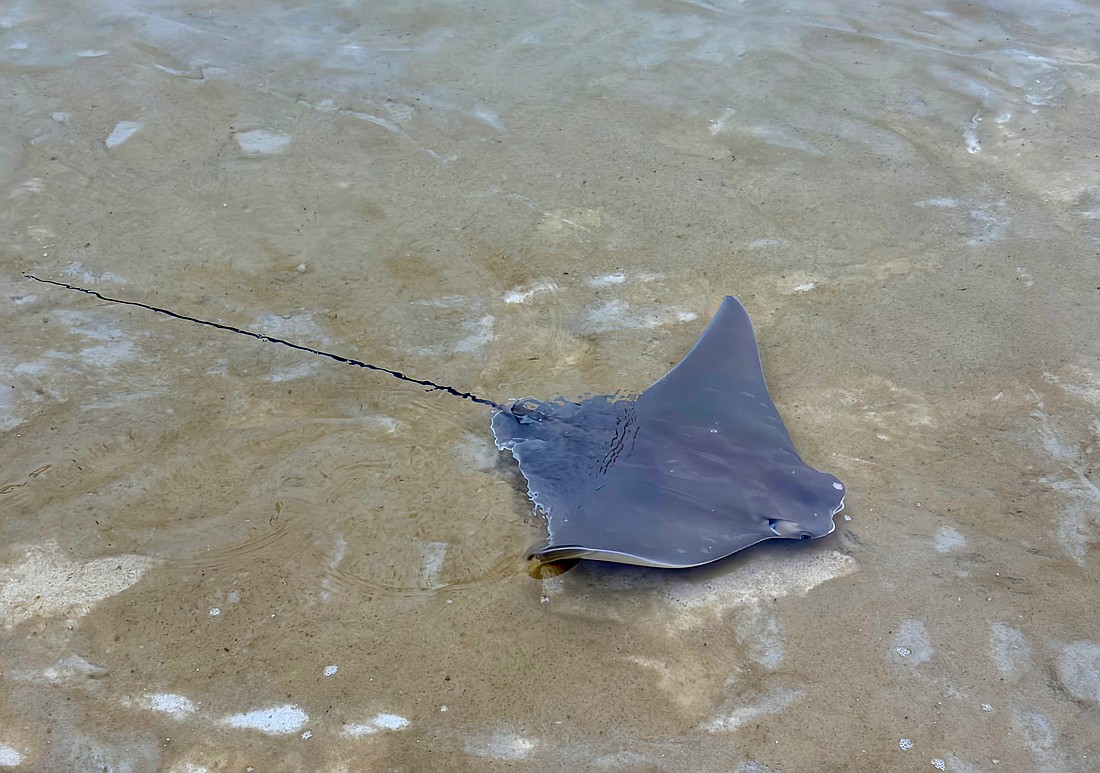
The open-air tank is home to new life this week after the lagoon care team introduced half a dozen cownose ray pups born at the resort to the big pond.
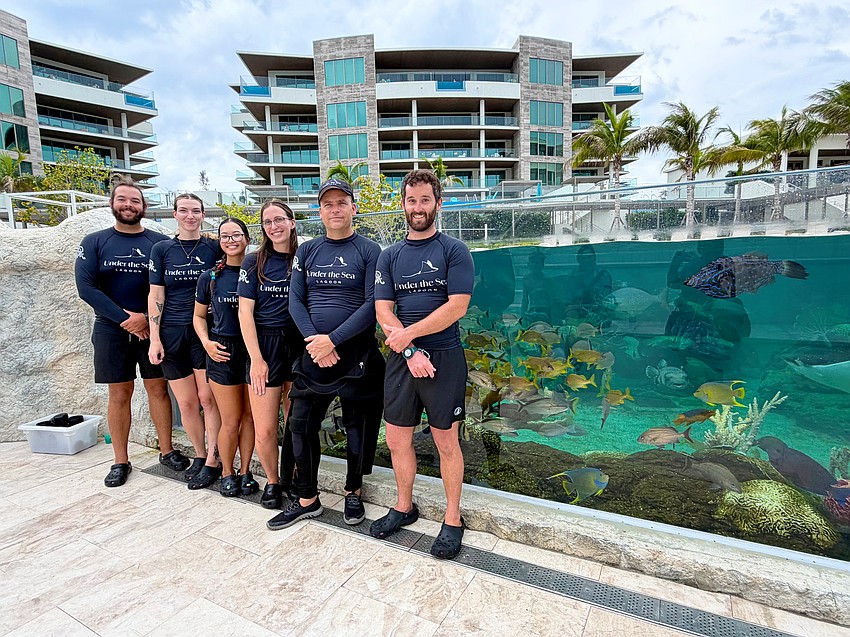
The half-million-gallon Under the Sea Lagoon houses an array of saltwater fish and rays found in Longboat Key's waters, giving visitors an up-close look at the area's unique wildlife through a side viewing window or, for those wanting to get even closer, a guided snorkeling session.
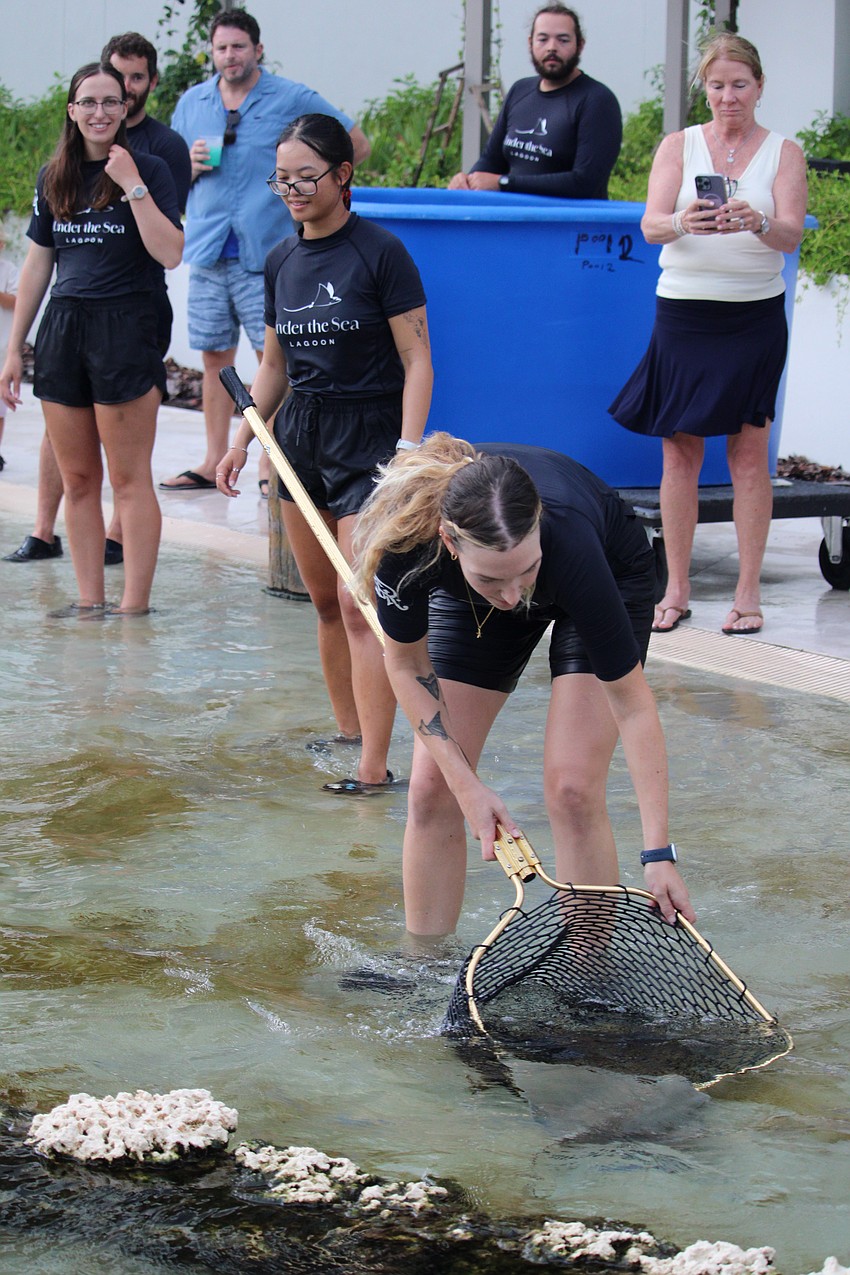
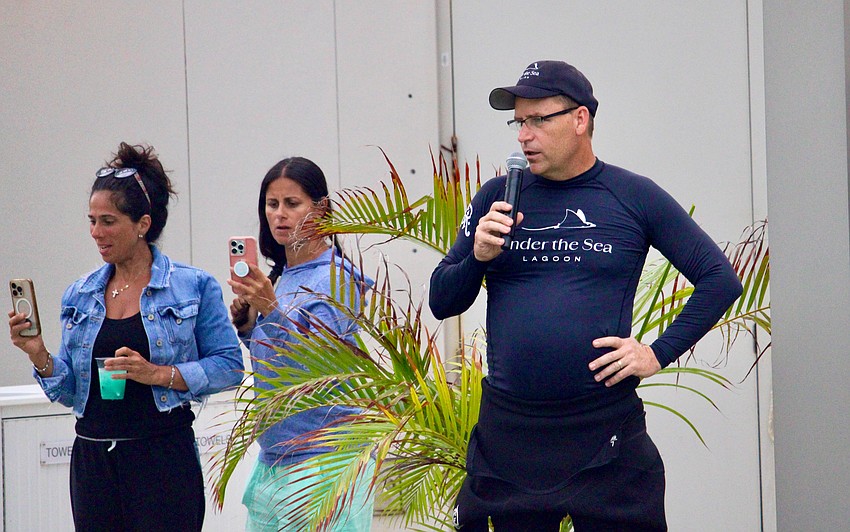
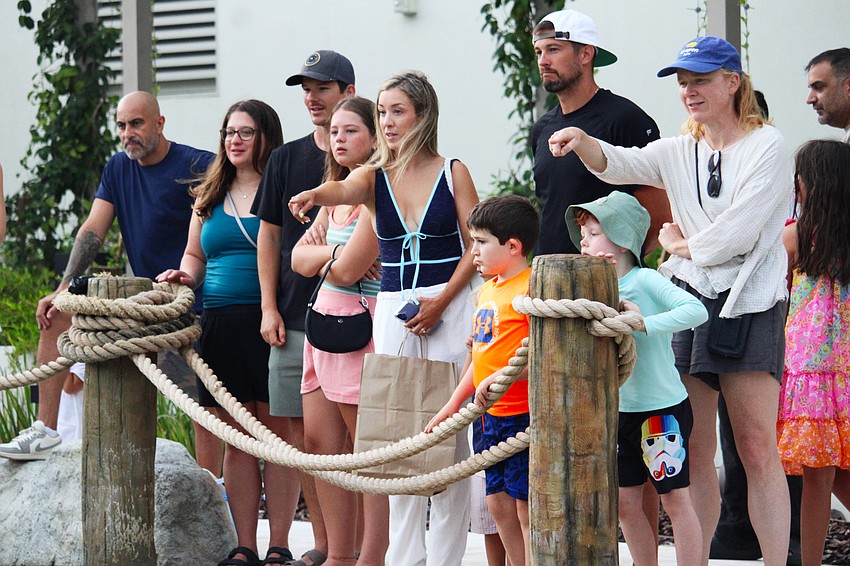
Dan Conklin, curator of St. Regis Longboat Key Resort’s wildlife lagoon, explained to onlookers during the Friday launch event the parent rays birthed the sting ray pups in December.
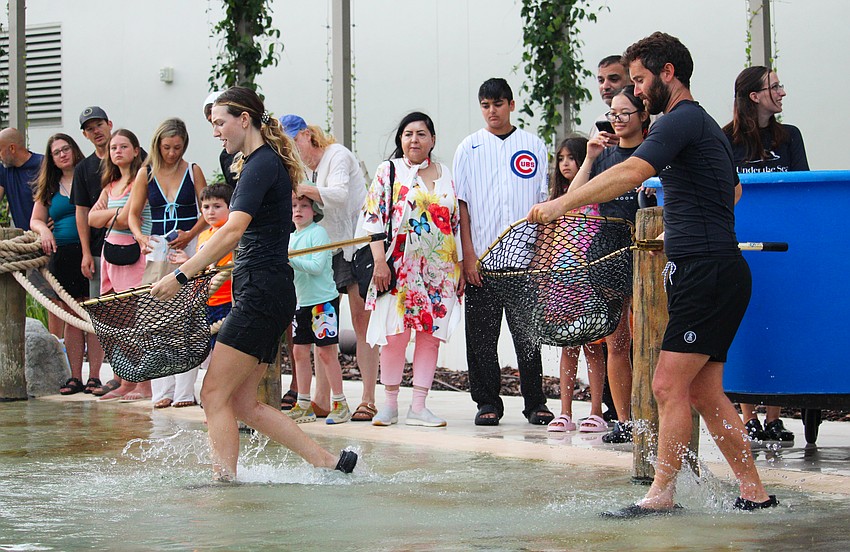
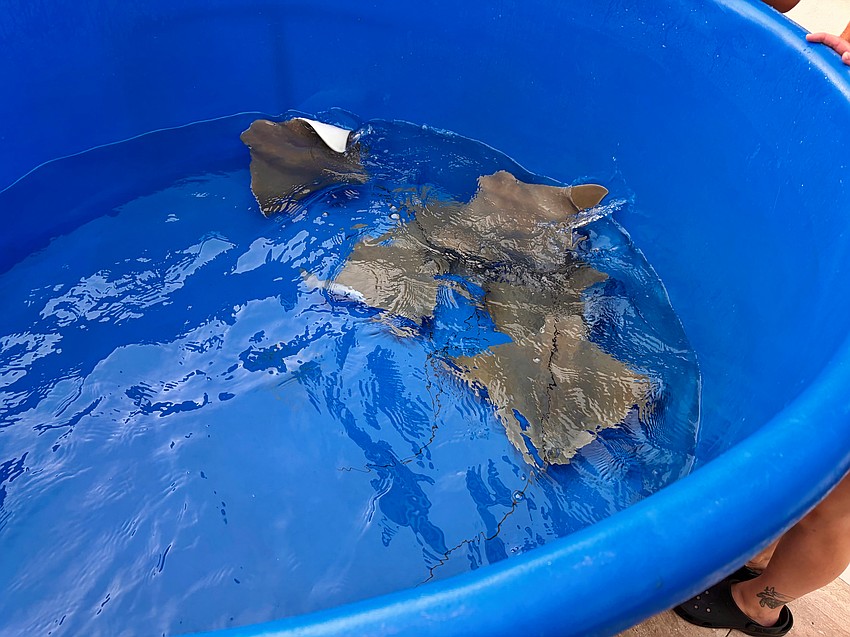
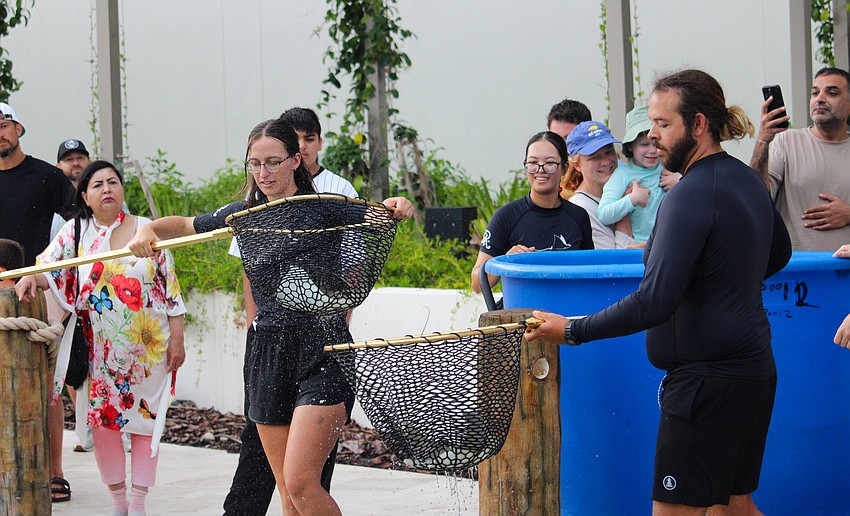
"What we're about to do is the first time we've done it," he told the crowd as staff wheeled out a transport pool to the edge of the lagoon. Staff then released them to join the "fever" of adult rays.
The team did not specifically set out to establish a breeding program among the rays, but the experts took it as a good sign the lagoon's inhabitants are in good health and happy with their habitat.
"To me, this is part of normal husbandry and taking good care of aquariums," Conklin said. "Everyone is so excited about it, and we've embraced it."
He paid compliments to the entire lagoon care team and the staff's diligence in ensuring the animals are well fed and thriving.
"It's always rewarding to see when you put in the care and effort and see it come to fruition like this," he said. "In July 2024, we put our first fish in the lagoon, and here we are, two years later, with cownose pups."
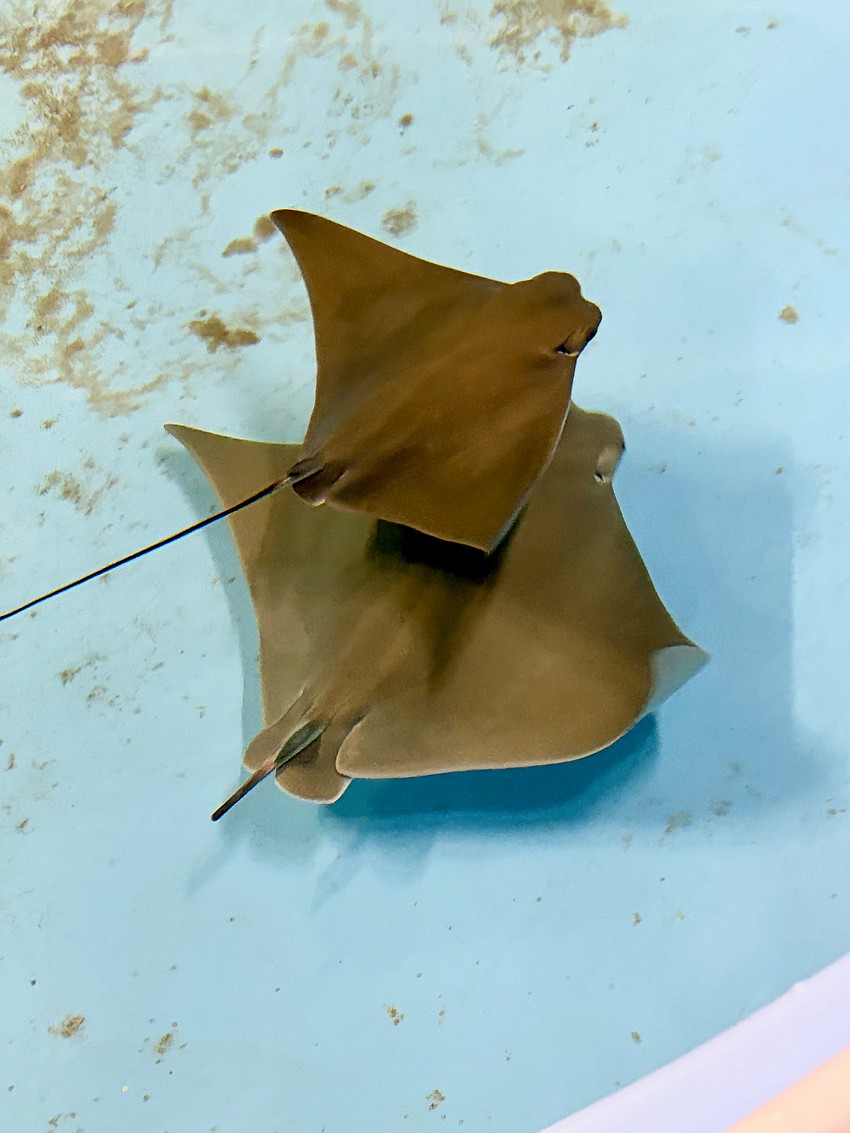
Cownose rays are so named for their snouts, with two round lobes not unlike a cow's. Typically, they reach only 4 feet from wingtip to wingtip as one of the smaller ray species, according to the Monterey Bay Aquarium. However, they can reach up to 7 feet.
Their tank mates at the lagoon include the larger southern stingray and spotted eagle ray. Up until now, Conklin said,the in-house population solely included female southern stingrays, so they haven't yet had pups. The resort recently brought in a male ray behind the scenes.
"He's actually from the Tennessee Aquarium and was available," Conklin said. "One day, he'll come out here too."
With viewers watching, team members netted the adolescent rays, which were last in the lagoon when they were born.
Given their small size and the relatively large size of the pups when born, cownose rays typically only have one at a time. Conklin said they are usually just shy of a foot from wingtip to wingtip as newborns.
This small litter size and the fact they mature relatively late in life contribute to their "near threatened" status with the International Union for the Conservation of Nature and Natural Resources.
Staff caught the pups when they were all born about the same time, and let them grow larger in an indoor enclosure under careful supervision.
In the smaller tank, caretakers tracked the pups' growth and feeding habits before graduating them to the big tank.
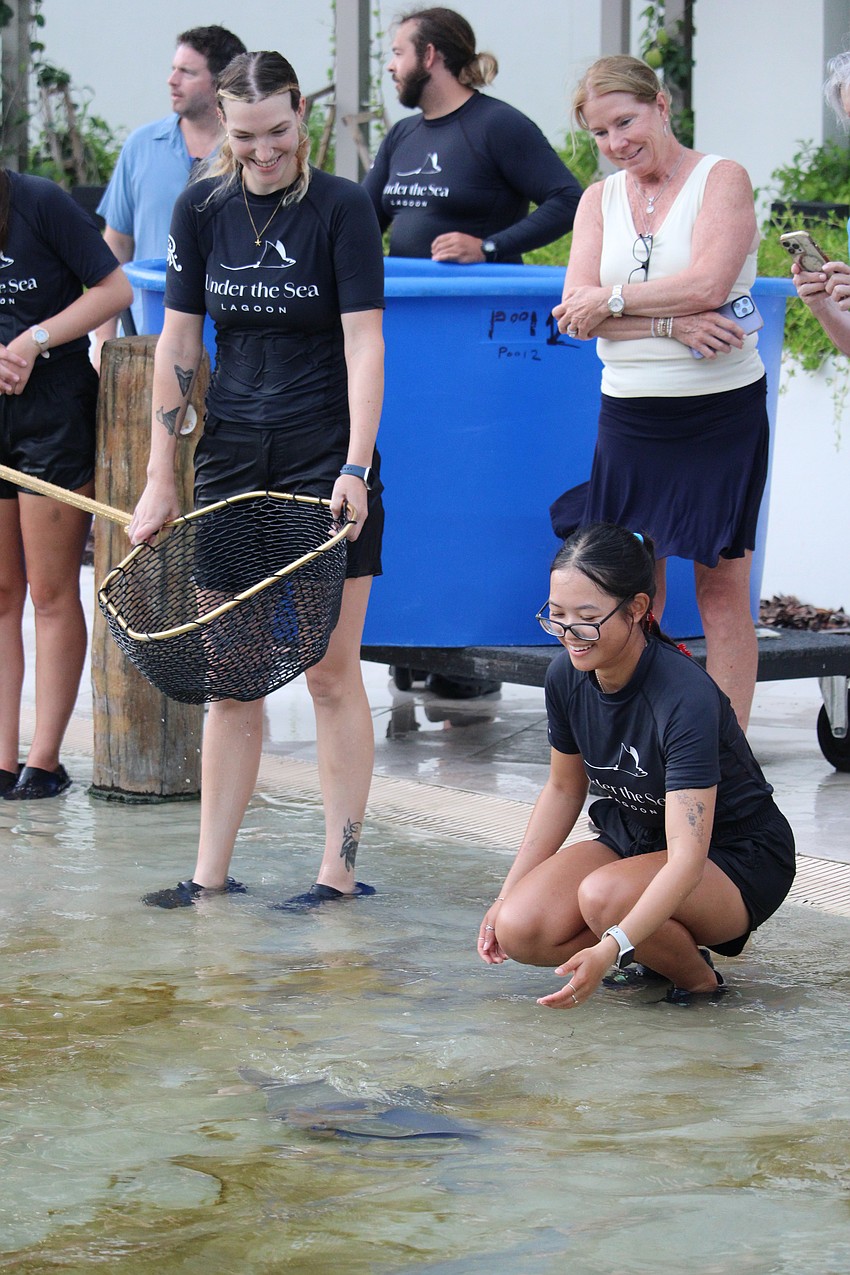
Two by two, pairs of rays returned to the lagoon with a splash of their fins. The parents don't have strong paternal or maternal instincts, although cownose rays are known to be social, often circulating in small packs.
The overcast weather and cooler temperatures over the weekend may not have been ideal for beachgoers, but the conditions made for an easy transition for the young animals. After caretakers guided them from the nets toward the deepest waters at the center of the lagoon, the rays seemed to get along swimmingly with their new neighbors.
After the release, Conklin shared some surprise news: Another cownose ray was unexpectedly born just 12 hours before the event.
The newest addition remained inside, with one of the older pups remaining to act as a guide.
Conklin said he and his team learned a lot about the lagoon's inhabitants over the past two years, and he is glad to see the animals responding so well to the environment.
Besides being a unique feature of the resort, the lagoon gives visitors a chance to learn about and appreciate Longboat Key's animals.
"Within a day or two, the pups will be coming around with the adults, eating by hand and being part of the experience," he said.