- July 21, 2026

-
-
Loading
Loading
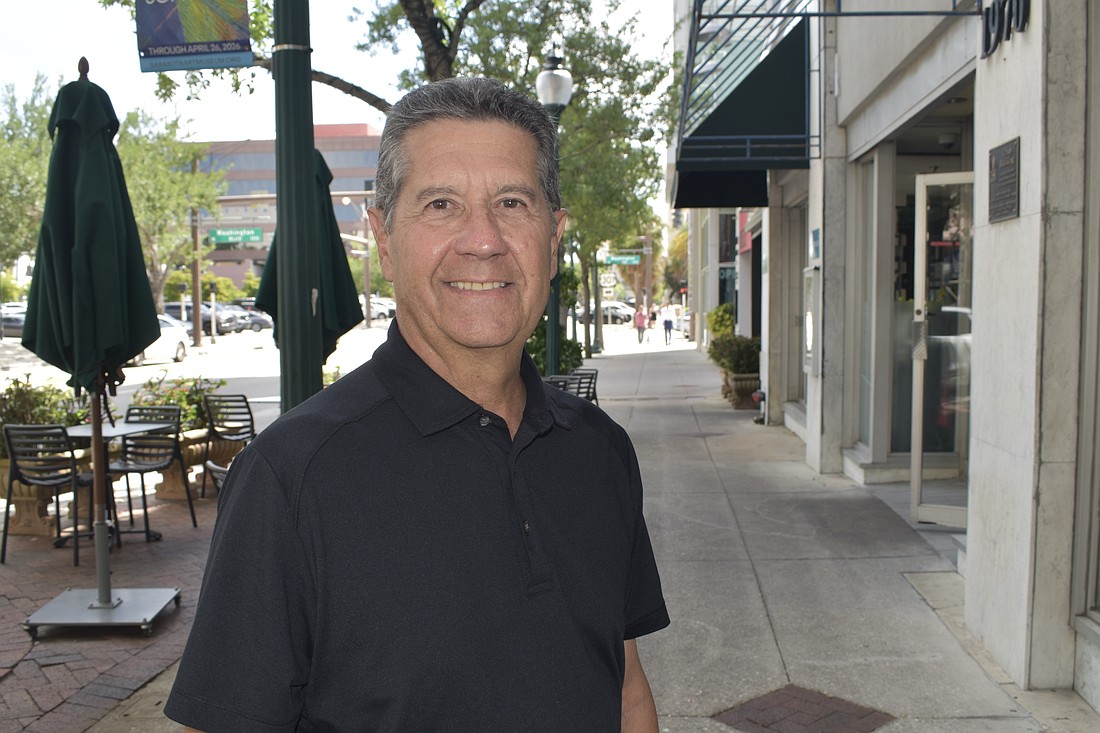
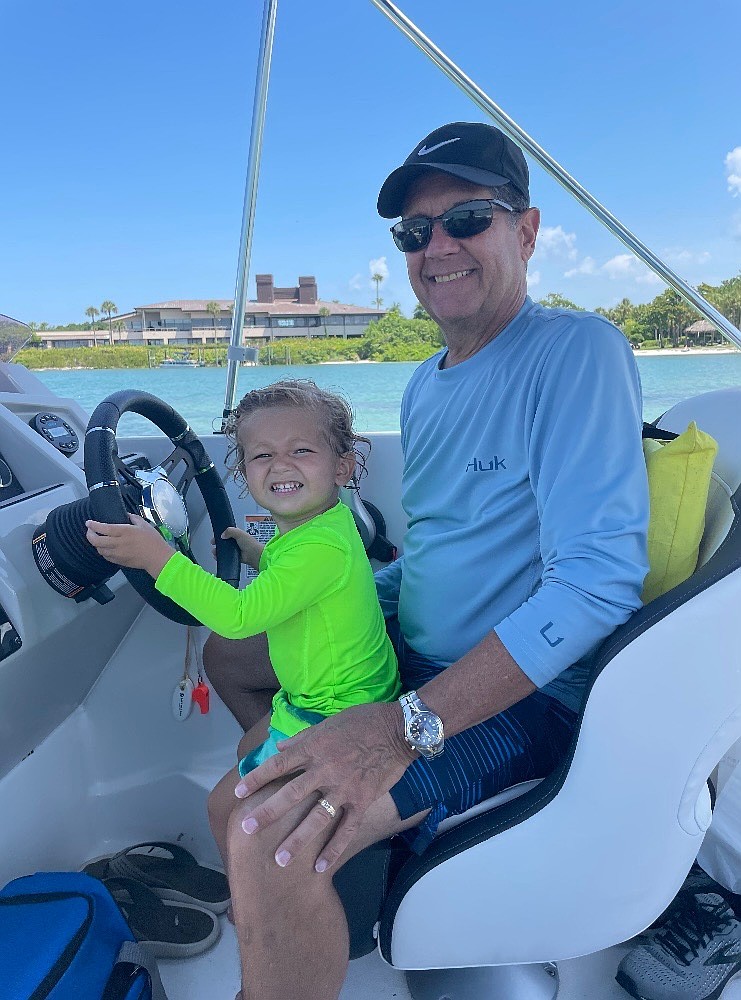
Today, Ron Cornella lives an active life in Sarasota, a place where he lives with his wife, just 15 minutes from his daughter and two grandchildren, and enjoys pickleball and golf.
However, at age 26, in 1980, there was a time when the odds did not favor his survival.
While living in northern New Jersey and working in the automobile industry, he became ill with what doctors initially thought was hepatitis.
He says with liver functions that were "off the charts," he was told to stay home and rest, but his health took a turn for the worse six weeks later.
It was a liver transplant, at the time a highly experimental procedure, that gave him a new chance at life.
As one of the longest-lived liver transplant recipients in the country at age 72, Cornella doesn't take his good health today for granted.
April is National Donate Life Month, a time Cornella hopes people can be made aware of the impact of organ donation.
However, he's always spreading awareness, and as he drives around Sarasota, his front license plate, which he made up himself with the year of his donation, and his back license plate frame, both promote organ donation.
Cornella still recalls plenty of the details of his hospitalization and eventual surgery in 1980.
After being admitted to a local hospital, he transferred after two days to Cornell Medical Center in New York with liver failure, and only 5% to 10% liver function remaining.
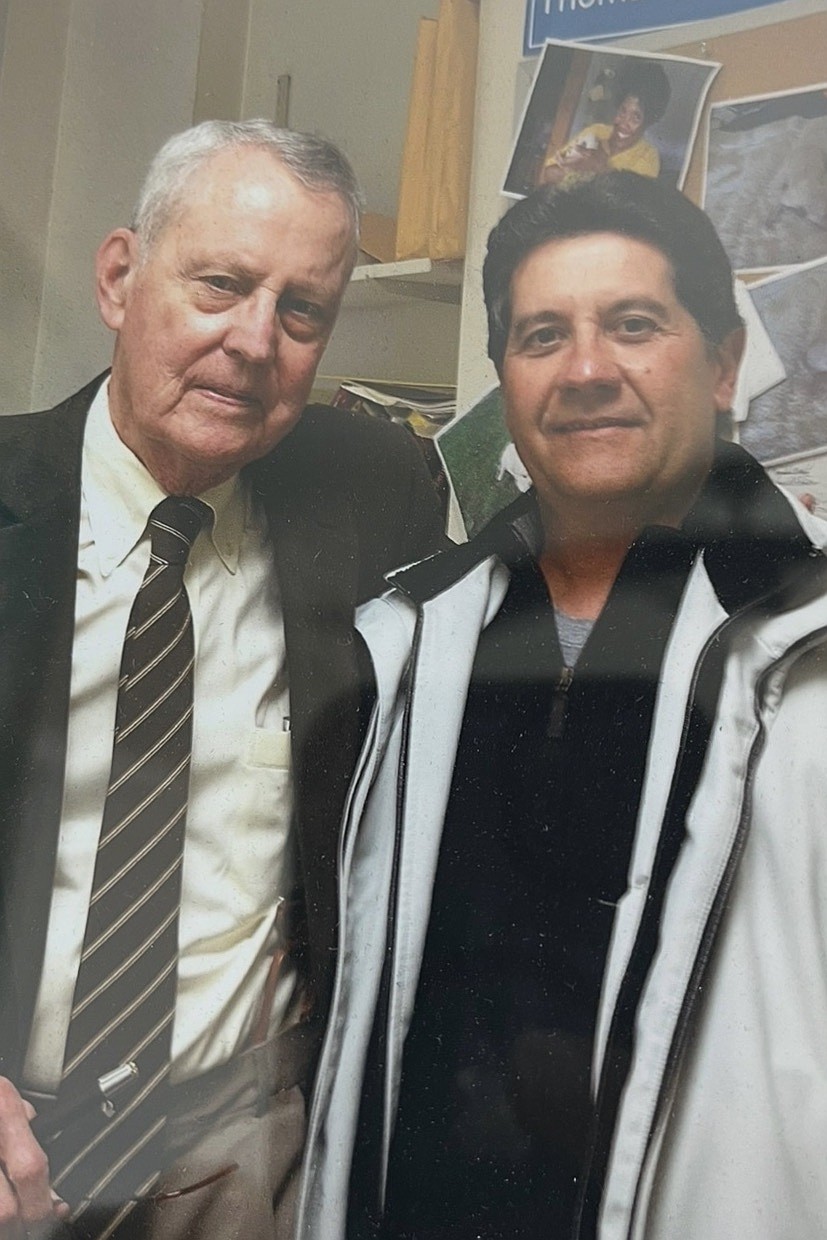
With a diagnosis of active fulminant hepatitis, later thought to be autoimmune hepatitis, he spent six week there while doctors tried treatments that included human growth hormone shots.
Then, he found out that his team of gastroenterologists had been in touch with the University of Colorado in Denver. There, Dr. Thomas Starzl was pioneering liver transplants.
Starzl has been referred to as the “father of modern transplantation.”
“After six weeks, there wasn't much they could do, and they thought, well, at least there's a chance,” he said.
Doctors gave Cornella only a 10% chance of making the flight to Denver. However, on May 2, the birthday of his wife, Jackie, the couple, his parents, and his mother-in-law headed for Denver.
There, doctors told him without a transplant, his liver would shut down completely.
His family began the difficult process of waiting for a liver. Two weeks later, one had been found. The medical team prepped him for surgery, which included painful intramuscular injections of the anti-rejection drug cyclosporine.
“It’s basically a science project,” he said. “I mean, he was the only one who was doing this.”
According to Dr. James Markmann of the American Society of Transplant Surgeons and the Perelman School of Medicine at the University of Pennsylvania, the process of liver transplantation has evolved significantly since the time Cornella received his.
"It's a world of difference," he said. "It's amazing that they were even successful back in the early 1980s, and so much has advanced since then. It's even hard to compare what it would have been like then compared to what it is now."
Markmann said today, a liver transplant typically takes about four hours. Cornella's transplant took 14. When it was over, his family was astonished by how well he looked.
“If you've seen someone who's got hepatitis, they're yellow,” he said. “Well, I was almost green. I mean, that's how sick I was ... I'll never forget, my wife told me, my mom and dad told me, when I came back from surgery, I was basically almost normal color. That's how quickly it worked.”
Cornella was number 177 among Starzl’s transplant patients.
He was also the seventh liver transplant patient to use cyclosporine, with March 1980 having been a breakthrough for the drug.
“That basically increased their survival rate significantly,” he said. “I'm still on it today; very, very, very little, but I'm still on it today.”
What followed was what Cornella describes as a grueling healing process, which included physical therapy.
By late July, he was discharged for his return home to New Jersey, with a follow-up scheduled in Colorado for September.
About eight months after returning home, Cornella was able to resume work and become more active, determined to live life as normally as possible.
Today, that continues.
One of the only times he becomes stressed about his health, he says, is when he gets bloodwork done every three months. He always awaits the numbers, hoping they will come back positive.
"I think there was one time I had a little bit of rejection. I had to go to Pittsburgh, but relatively minor," he said. "But overall, it's been good.”
He says his experience left him wanting to make the most of life.
“I don't take anything for granted anymore,” he said. “Life is precious. Basically, stay as healthy as you can, don't abuse your body."
He says he tries to maintain a healthy diet, and tries to stay active. While never a drinker in the past, he avoids alcohol, and watches his diet, including his kidneys and salt intake.
Over the years, he kept in touch with Starzl, who died in 2017 at the age of 90. He calls him a “special man,” having attended his 70th birthday party.
When an assistant to Starzl, Dr. Goran Klintmalm, asked him to speak at an event by the American Society of Transplant Surgeons in 2024, it was something that seemed daunting at first, but he was welcomed by the audience.
“First, they gave me a standing ovation before I even spoke a word, and then again after I was finished,” Cornella said.
In 2020, he moved from New Jersey to be with his daughter Nicole Zimmerman. Today, he lives 15 minutes from her family and enjoys helping with his grandchildren Asher Zimmerman, 5 and Nella Zimmerman, 3.
When people talk about health topics, he and Jackie often bring up that he is a transplant recipient, and he has a simple message for those who may need the procedure.
“Basically, don't be afraid of it,” he said. “It might not be the right word, but just, despite what's in the press now, it works. Just follow your doctor's orders as you can. I want to say a lot of these surgeons are excellent, excellent surgeons."
Markmann also says cases like Cornella's are important for the medical field, and for public awareness.
"It shows what's possible, and the fact that there was such a success like Ron's, was a real positive outcome that showed what was possible and helped push the field forward," he said.