- July 16, 2026

-
-
Loading
Loading
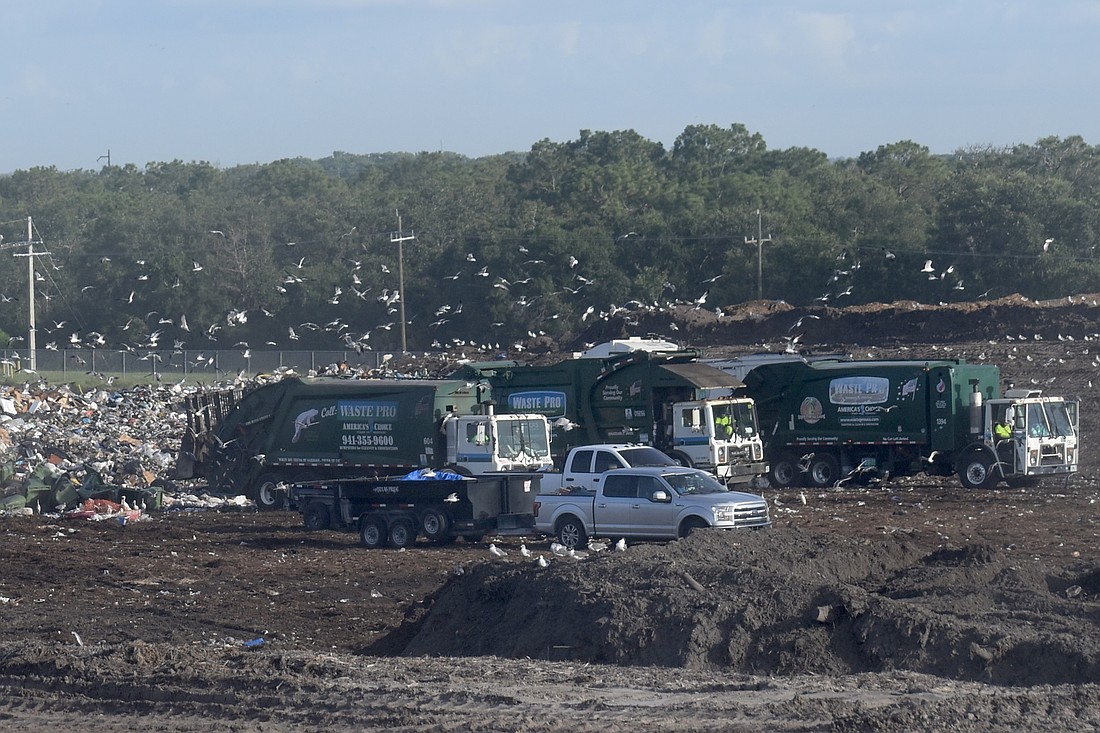
The residents of Manatee County have been heard. Curbside pickup of bulk garbage is returning.
But, it won't be the same twice-a-week service residents had before October when Manatee County implemented automated garbage collection.
After a steady stream of complaints since then, the county renegotiated a one-year contract with its waste haulers, Waste Pro and Waste Management, to return a limited bulk collection service.
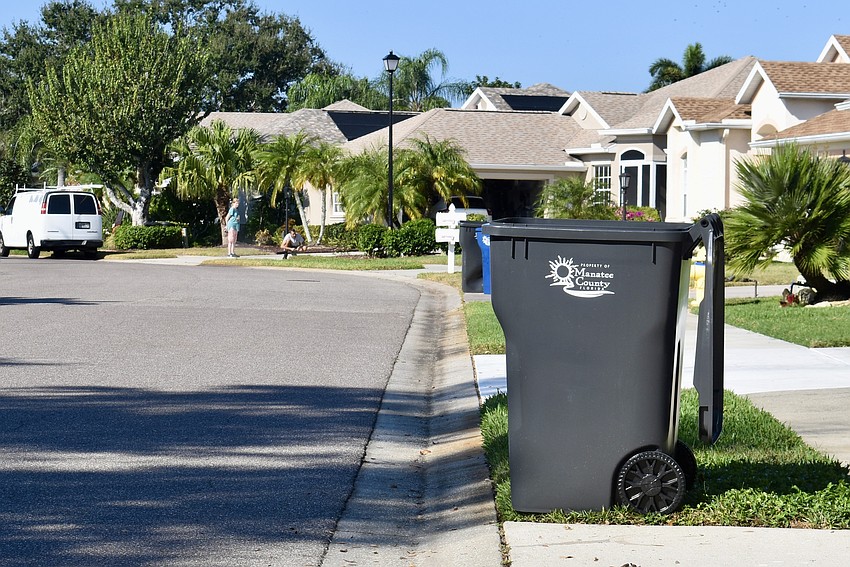
Twice a week bulk pickup will not return. The county-issued wheeled bins will continue to be picked up once a week by automated trucks. But once a month, residents will be able to dispose of two bulk items, such as mattresses and carpets, without the additional $59 per item fee that was implemented in October.
Residents will also be able to schedule one on-demand pickup per year at no additional cost. The on-demand pickup will be capped at 10 cubic yards of one type of waste, whether that be bagged household waste, old tires and appliances, construction debris or yard waste, but they cannot be combined.
The Bulk Collection Pilot Program will launch May 1 and end April 30, 2027. During that time, Manatee County will cover the additional negotiated cost of $2 a month per customer (96 cents for the fixed route monthly collection and $1.04 for the on-demand annual collection).
Jim Renneberg, the deputy director of utilities overseeing the Solid Waste Division, presented an overview of the 12-month pilot program to commissioners at their April 7 meeting.
“This pilot will allow us to evaluate participation, operational impacts and overall efficiencies before making long-term decisions,” Renneberg said.
The long-term decisions include which bulk services should stay in place and how much those services will cost residents.
“I’d like to see the county continue to pay for this after the pilot because the change in garbage was made by a previous board that bound us to this contract,” Commissioner Bob McCann said. “They did not interact with the people before they did this. The only thing the people heard was that this was going to be better and save them money, but that’s not the case.”
Although McCann continues to receive requests from residents for the trash collection to return to a twice-a-week schedule, he said given that the county is “stuck” with the current contract, once-a-month bulk collection alongside once-a-week routine service was the best compromise that could be made.
The haulers will deliver the pickup routes to the county over the next two weeks. Then, the county will start alerting residents as to when their bulk pickup day will be.
The basic plan is to divide the county into four zones and rotate the pickups between zones, then start over the following month. For residents, the bulk pickup will coincide with their regular pickup, but one pickup per month will also include bulk collection.
Commissioner Amanda Ballard expressed relief when presented with the pilot program.
“I’m just really glad to see this come forward,” she said. “I think it’s going to make a big difference for a lot of people, and hopefully people are a little bit happier with their solid waste pickup.”
Ballard has been pushing for bulk collection to return since the county held a strategy meeting in early December because bulk items being left on curbs in her district have become a “huge problem."
The issue was tabled until the Jan. 27 commission meeting when Director of Utilities Patrick Shea was directed to return to the next meeting with costs for additional services.
When Shea returned with a price list on Feb. 10, twice-a-week pickup was deemed too costly, with or without bulk pickup. Returning to the old system of twice-a-week bulk pickup would have more than doubled rates from $23.65 a month to an estimated $53.65 a month.
Using the bins and automated trucks, without bulk pickup, would've only saved residents about $5 a month.
Twice-a-week pickups require additional trucks on the haulers' end and additional staff for the Lena Road Landfill on the county's end.
Given those requirements, Shea said the county could not have implemented the changes for at least a year.
Renneberg noted that the change to once-a-month bulk collection was implemented as a pilot program because of time constraints. Commissioners only approved the changes Feb. 10.
"This was a very quick turnaround," Renneberg said. "The current haulers only have so much equipment to manage the pickup, so we thought it was safe to just make it a pilot program and come back within 12 months to reevaluate that and make sure we have a good program moving forward."
Since the county will not be passing on the cost to residents during the first year, staff had to find other means to fund the pilot program, which is estimated to cost $3,010,536.
Renneberg said the funds would come from two projects — money saved on an under-budget bypass lane and deferring a building remodel and expansion.
Both projects are included in the Manatee County Capital Improvement Plan and are planned for the Lena Road Landfill. Since Solid Waste is an enterprise fund that pays for itself, funding comes from the rates residents pay for services.
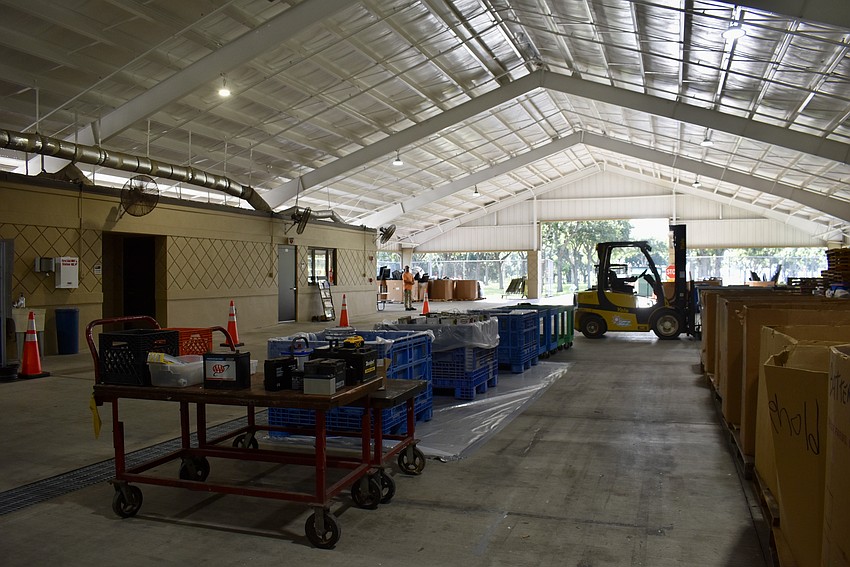
The plan was to start construction in October to enhance and expand the Solid Waste Administration Building at a total cost of $3.3 million.
Only $432,000 is budgeted for fiscal year 2026. The remaining over $2.8 million is funded within the fiscal year 2027 budget. But the pilot program will span both fiscal years.
Upgrades to the administration building include four new offices and improvements to the conference room.
"This project will be deferred to a future year and likely rescoped with considerable savings," Communications Coordinator Tina Saldana said in an email.
The bypass lane, along with other road improvements within the landfill, were made to improve the roads and traffic flow in and around the landfill entrance, the facility's weighing station and hazardous household waste buildings.
The estimated cost was $1,559,000. Saldana said right-sizing and reducing the amount of underground utility relocation saved $300,000, which will now help fund the bulk collection pilot program.
"As we enter the end of the calendar year, we'll have some good metrics and some good numbers to be able to explain to the board what a long-term program will be and then make this program, as it adjusts, permanent," Shea said.