- July 26, 2026

-
-
Loading
Loading
Prices are higher, wait times are longer and revenue sources are threatened.
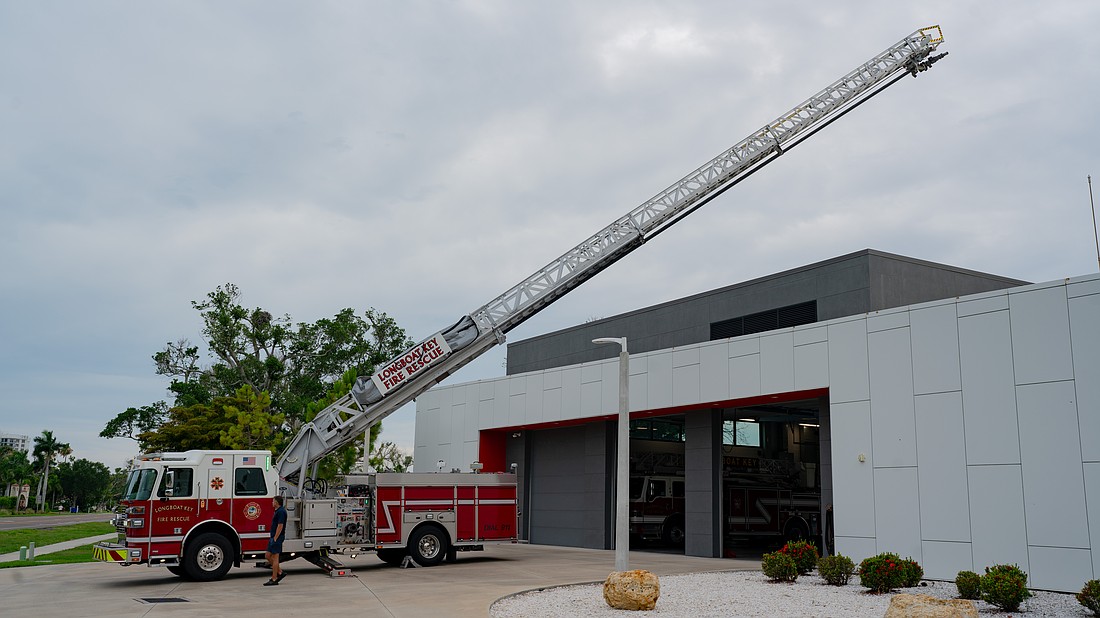
Despite all those challenges, Longboat Key Fire Rescue is working to refresh its fleet of fire trucks, spending big in the next two fiscal years to the tune of $3.8 million for two ladder trucks. Ladder 1 was manufactured in 2013, and maintenance costs are adding up.
“The longer you push a truck out, the higher your maintenance costs will be,” Fire Chief Paul Dezzi said. “We try not to do that. We determine through talking with service and looking at the history of our vehicles the life expectancy of these trucks.”
When an engine or ambulance breaks down, the vehicle is sent to Sarasota County’s maintenance facility. Last year, the town spent $54,874 on ambulance repairs and $56,414 on fire trucks. Dezzi said the department budgets $100,000 annually for apparatus repairs. One major benefit of contracting with the county for fleet maintenance is the ability for the county to loan vehicles to the town while repairs are being completed if the town doesn’t have a reserve vehicle at the time.
“You’ll sometimes see a Sarasota fire engine or a Sarasota ambulance down here, but it’s probably being run by us,” Dezzi said.
Dezzi said life expectancy is about 10 years for fire trucks and seven to eight for ambulances. With fire rescue vehicles, mechanical age isn’t determined by miles driven, but hours running. That’s because on the scene of many emergencies, fire equipment sits idling for hours at the scene.
“For the pump to work, for the ladder to work, it’s gotta be running,” Dezzi said. “Everything works from the engine.”
Longboat Key Fire Rescue has a spreadsheet with all the vehicles in its fleet. The columns of the sheet are labeled mileage, year, condition, service, reliability and repair, with a score given for each vehicle based on each metric. The total of those columns gives the town a score for each vehicle, with higher numbered scores meaning replacement is needed.
With nearly 6,000 hours on the clock of a 13-year old ladder truck, Dezzi says it's past time to replace it.
Longboat Key spent $1.5 million on the two ladder trucks in its fleet, and its 13-year-old ladder truck has 5,838 hours on it.
The cost for a new ladder truck is more expensive than the town spent on the other ladders in its fleet combined. The town has budgeted $1.6 million to purchase a 107-foot ladder from Pierce Manufacturing, which has a facility in Bradenton and another in Appleton, Wisconsin.
Dezzi said he noticed prices begin to skyrocket during COVID. In January 2020, the town purchased a 75-foot ladder truck from Ohio-based manufacturer Sutphen for $850,000. Although the newly ordered Pierce truck features a longer 107-foot ladder, Dezzi attributes the massive price hikes across the industry primarily to supply chain bottlenecks and inflation.
A fire engine is outfitted with specialized equipment such as pumps, hoses, medical gear and other rescue equipment. None of those items have been spared from inflation. Dezzi said defibrillators cost $75,000 each now, for example.
“The cost of emergency services is unbelievable,” Dezzi said. “I’ve been doing this over 40 years, and it’s just shocking how much it’s costing to operate a fire rescue department, and we’re not even talking about salaries. That’s another issue.”
Equipment can be transferred from the retired truck, but it wears just like trucks do, especially apparel that firefighters wear that is exposed to toxins during fires.
Fire equipment quick facts | |
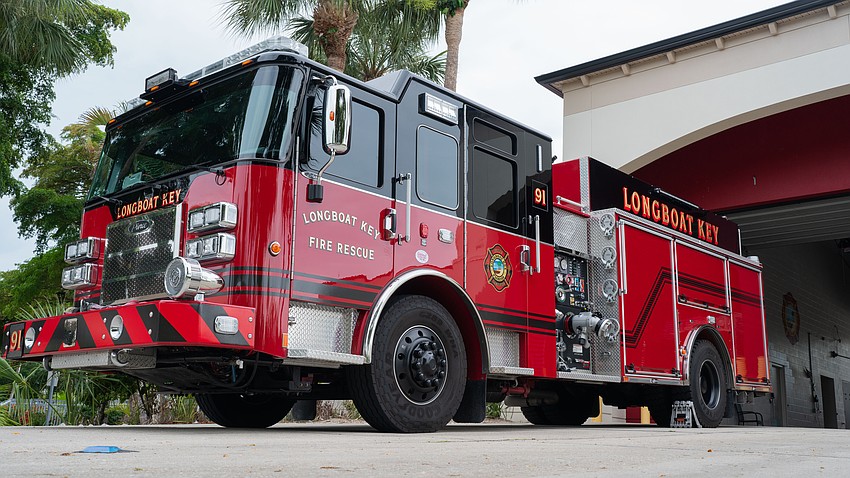 | Engine 1 (pumper truck)
|
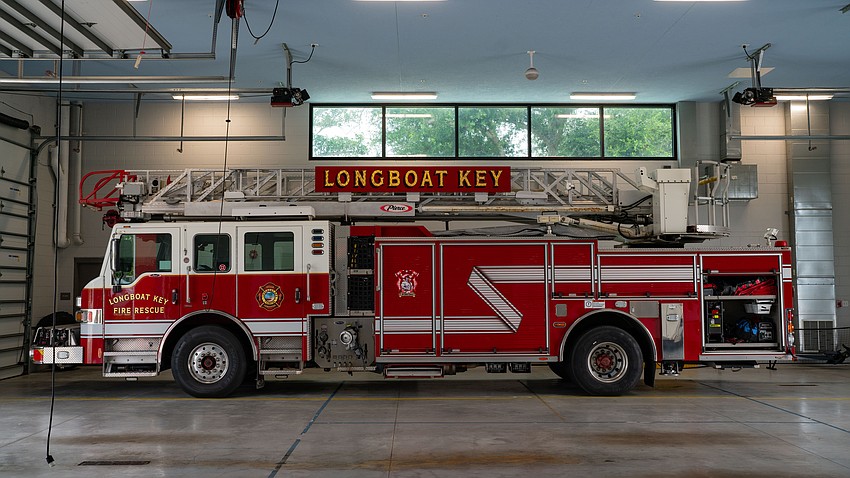 | Ladder 1
|
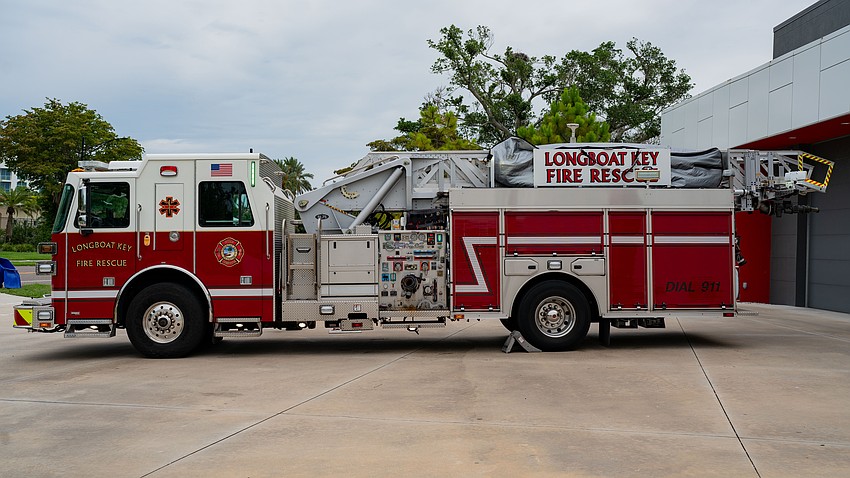 | Ladder 2
|
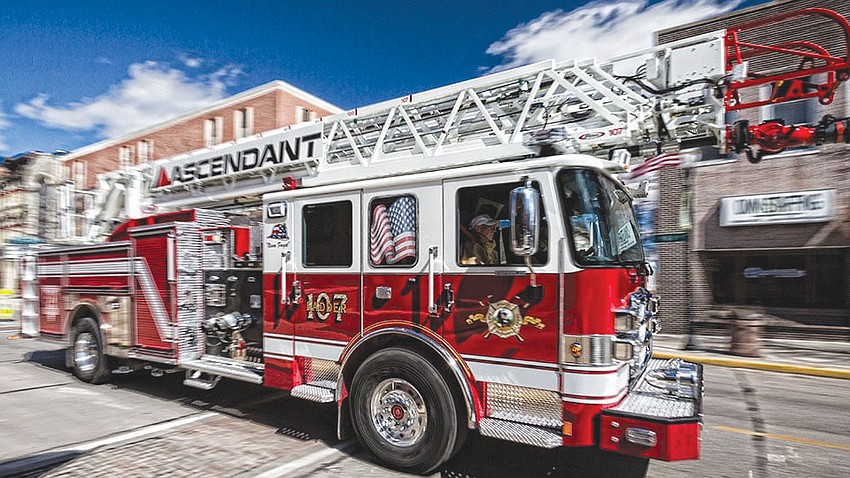 | Ladder 3 (to become Ladder 1 upon delivery)
|
Right now, Fire Station 91’s main engine is a pumper truck.
Ladder trucks are inherently more expensive than pumpers and tankers, but Dezzi said the added cost is worth it.
“The way we operate is we operate with two ladder trucks. Can we operate with two pumpers instead at a cheaper cost? Yeah, but in my opinion it’s a level service decrease,” Dezzi said. “The thing that people need to understand is that you know we have a certain level of service that the citizens expect, and we're trying to provide that to them.”
The town locked in the $1.6 million purchase price for the Pierce ladder months ago, but delivery isn’t expected until October 2027 at the earliest.
“They told us when you order a ladder truck, expect it to be 36 months or more,” Dezzi said.
One of the cited reasons for rising costs – supply chain issues – is also the reason given by manufacturers for the longer turnaround times, Dezzi said. COVID also caused many local governments to pause spending where they could as the global economy ground to a halt.
“During COVID, a lot of the fire departments held off on buying any trucks,” Dezzi said. “Now all of a sudden in the last couple of years, everybody is buying these trucks, so it’s putting everybody on a wait list.”
With that in mind, the town is also planning ahead to replace its 2020 ladder, budgeting $2 million in fiscal year 2028, according to the town’s five-year capital improvement plan.
Finding funds to refresh its fleet is easier said than done, especially as property tax reform could be on the way, threatening the town’s main revenue source.
“Property taxes currently fund a significant portion of local public safety services. As a result, any future changes to the property tax structure could have implications for municipal revenues and the services those revenues support,” Dezzi said in an email. “The department is evaluating a range of potential scenarios and will continue to provide transparent information regarding emergency service delivery, staffing, equipment replacement, capital planning, and disaster preparedness.”
The town uses infrastructure surtax funds to pay for new equipment typically, but the 15-year capital improvement plan on how to spend that expected revenue has a $6 million shortfall. The town is shifting funds in an effort to balance that shortfall, with the $1.8 million budgeted for the new ladder truck and its equipment instead coming from the town’s miscellaneous capital project fund, according to the town’s Capital Improvement Plan.
The $2 million for the next ladder truck and its equipment, slated for fiscal year 2028, will come from the Sarasota County Infrastructure Surtax fund.
With revenues and funds stressed, Dezzi said the department does not have much fat to cut from the meat.
“I always tell the firemen up there I know there’s a lot of wants out there. I get it. I got a lot of wants I want here too. But it’s what we need, and what we have on our trucks and in the facilities is what we need,” Dezzi said. “Our trucks aren’t extravagant. We don’t have bells on there. Our trucks are basic trucks, and they do the job that we have. We never put more than what we need on there.”