- July 15, 2026

-
-
Loading
Loading
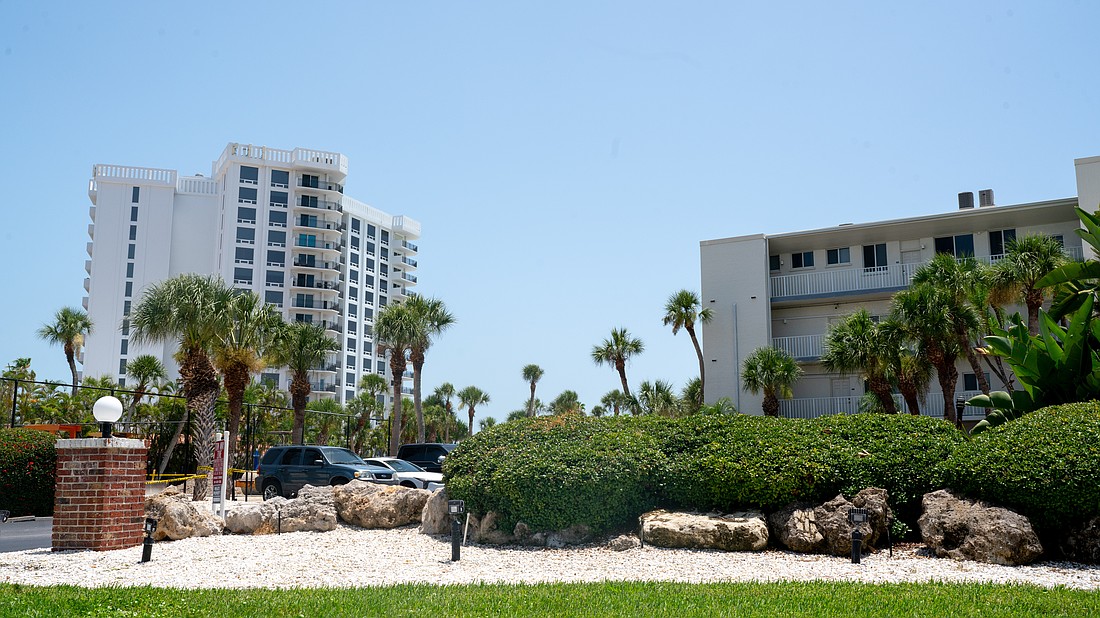
The charter of the town of Longboat Key, like the Constitution of the United States of America, is a living document, and changes to the town’s formational text can have huge ramifications.
Changes to that charter could be on the horizon, as the newly-reformed Charter Review Committee is set to meet in September.
The most dramatic change to the charter came in 1985 when voters approved an amendment that essentially froze the rapidly increasing development on Longboat Key.
“It was a great protective measure and when you look at it as compared to maybe Siesta Key or even Anna Maria Island or Lido Key, there’s a distinct difference between our island Longboat Key and those other barrier islands along the coast,” said Town Attorney Maggie Mooney. “I think that has made Longboat stand out and be the premier community it is.”
When Longboat town commissioner Kit Fernald was gathering signatures for a ballot referendum in 1985, she was also running for re-election.
The front page of the Feb. 28, 1985, edition of the Longboat Observer reported Fernald was gathering signatures for a referendum under the headline of “Density Deep Freeze Proposed In Referendum.”
Fernald’s efforts to gain signatures was successful, sending the charter amendment to the ballot.
The referendum was the hot topic of the town in 1985, as growth on the island had accelerated rapidly in recent years.

The Arvida Corporation had been busy in the 60s laying the groundwork for, as Ralph Hunter’s “From Calusas to Condiminiums” described, “a massive development program” that included canal dredging, golf course construction and submittal of development plans to the town.
Property appraisals islandwide rose from $18.6 million in 1965 to $70.7 million in 1973.
Then it really took off. The Seaplace condominium tower began construction in 1973, adding more than 400 units. The same year, the 15-story, 90-unit Sea Gate Club condo building was constructed. Those were two of the 39 condominium buildings constructed in the 70s on Longboat Key.
By 1984, property valuations had risen more than 810% over the last decade. Town records show 3,484 housing units were constructed in the 70s compared to 994 in the 60s.
In 1984, after months of planning with help by outside consultants, a comprehensive plan was reached that laid out zoning across the island, but it could be changed through rezoning requests or new comprehensive plans. The referendum was a way to shift who the decision-makers were for density increase requests from the few to all.
“Any request for additional density can be approved if the people are convinced it is to the benefit of the Key,” wrote District 1 Commissioner Hamilton Dashiell ahead of the referendum. “If they don’t think so, influencing a few people or a few commissioners will not jeopardize the welfare of the majority of the people.”
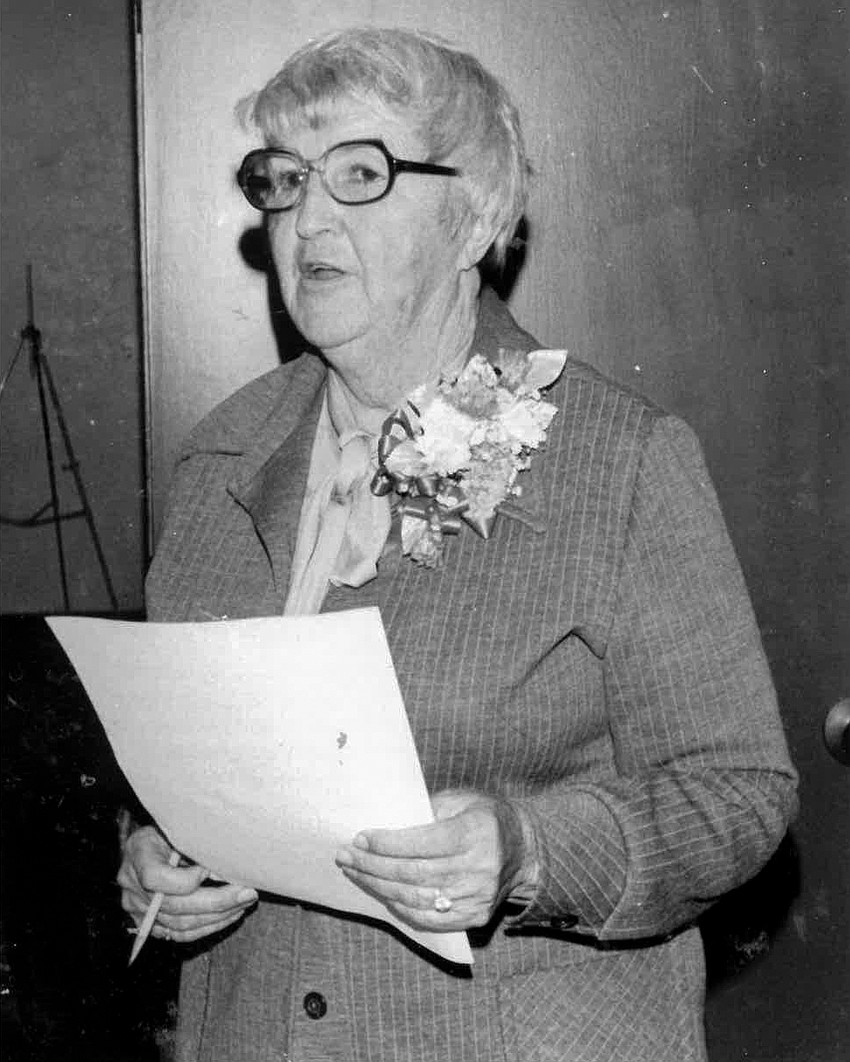
Fernald’s opponent in the 1985 commission election, James Edmundson, wrote an op-ed where he took a neutral stance on the upcoming referendum.
“If the residents of the Key feel that our present zoning needs additional protection, I see nothing wrong with it,” Edmundson wrote. “I’ve fought as hard as anyone to keep our density down.”
In March of 1985, voters cast their ballots for the at-large seat. Edmundson won by a whisker.
Initial vote tallies showed a five-vote difference between Fernald and Edmundson for the at-large seat. The election was contested by newly-elected commissioner Robert Ross “on behalf of Fernald,” the Observer described. A hand recount confirmed Fernald’s defeat by a nine-vote margin.
The charter amendment referendum came months later, asking:
“Shall the charter of the town of Longboat Key be amended to provide that the present density limitations provided in the existing comprehensive plan as adopted March 12, 1984 shall not be increased without the referendum approval of the electors of Longboat Key?”
Longboat Key residents said yes by a 205-vote margin.
Fernald was reelected to Town Commission in 1986 and was picked as mayor in 1987.
The state of Florida has made ballot initiatives like the Fernald referendum difficult, if not impossible, to pass today, said Town Attorney Mooney.
“The legislature has pre-empted so much in the last 15-20 years,” Mooney said. “You almost don’t want to do anything particularly new and novel in your charter because the legislature has clamped down on so much.”
Multiple excerpts in the town charter, like the section that prohibit types of vacation rentals, are only possible because the state legislature approved the grandfathering in of restrictions in specific municipalities, including Longboat Key.
In 2011, the state of Florida enacted an outright ban on local growth management referendums like Longboat Key had enshrined in its charter. Town staff, lobbyist Dave Ramba, State Senator Nancy Detert and Representative Jim Boyd in turn worked to advance what Mooney described as a “glitch bill” to exempt Longboat Key from the ban on density caps.
“It essentially preserved our charter referendum provision when everybody else in the state lost theirs,” Mooney said.
Now, the charter is going up for review again. There are three ways the town can go about changing the charter, and two of them can happen at any time.
The Town Commission can, at any time, propose an ordinance to amend the town’s charter. Voters then decide whether to approve or deny the referendum.
A charter amendment can also be initiated the same way it was in 1985. If at least 10% of the town’s registered voters sign a petition, the charter amendment appears on the ballot.
The charter review committee process, however, allows for a closer look at the charter as a whole. Earlier this month, the town of Longboat Key reformed the committee.
The charter itself dictates that a committee be formed once a decade to evaluate and review the charter. On June 29, the Town Commission selected five members from seven applicants to be on that committee: Steve Baril, Mike Haycock, Susan Phillips, Ken Schneier and Howard Veit.
The five will meet to discuss potentially needed changes to the town charter. Any recommendations that come from the committee’s discussions will go to the Town Commission for consideration. If commissioners agree on the proposed changes, they appear before resident voters as a ballot referendum.
Phillips, who worked as assistant to four different town managers over a 27-year span, is one of those members. Phillips describes the town charter as “our bible” and said she is approaching the charter review process with an open mind. She doesn’t have any specific changes in mind before discussions with other committee members have begun.
“You don't want to tinker with the charter just because you can. Every 10 years, they put it in the code to make sure we pay attention to it on a routine basis and really examine it for its appropriateness,” Phillips said. “It is something to undertake with gravity, but not with a sense that you have to change the charter just because you are reviewing it.”
Mooney, who will attend the committee meetings, mentioned one thing the committee could look at is whether to change advertising requirements. The charter specifies certain public meetings be published in a newspaper to alert residents. Whether or not to continue that process, which has a recurring annual cost to the town, could be in the cards, she said.
The Charter Review Committee will meet starting in September.