- July 15, 2026

-
-
Loading
Loading
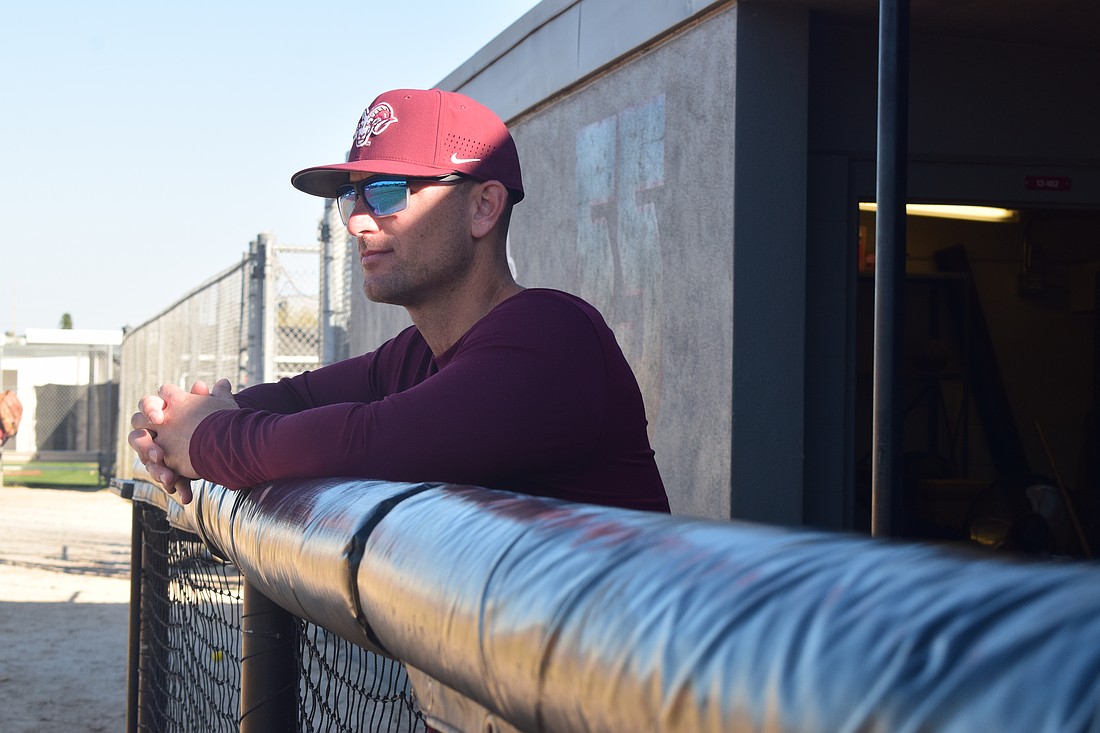
Sudden cardiac arrest is a medical crisis Mark Sobolewski is familiar with — perhaps, more than he’d like. When he was 11, he knew someone who suffered such a tragedy.
Sobolewski played in then-12th Street Little League while growing up in Sarasota. He was only a few years older than someone who collapsed and died while running laps at the league.
The Riverview High baseball coach is connected with their family still today. It’s them he thinks of when weighing the importance of Florida Senate Bill 1070.
SB 1070, the “Second Chance Act,” went into effect July 1 for all high schools in Florida after being signed by Gov. Ron DeSantis on June 25, 2025. It requires all incoming freshmen and first-time athletes to undergo an ECG screening before participating in high school athletics.
Chance Gainer, a former wide receiver/defensive back for Port St. Joe High football, was 18 years old when he collapsed during a Sept. 6, 2024, game and died later that night. This bill was named in his memory — introduced by the state senate nearly six months later.
But it’s not just Gainer who provided inspiration. There are 23,000 youth annually in the U.S. who suffer out-of-hospital cardiac arrest, per Who We Play For, and sudden cardiac arrest is the leading medical cause of death among high school athletes.
By putting SB 1070 into action, Florida has implemented a preventative measure, seeking to stop tragedies before they can even occur.
“As a coach, I think it's a great thing, and more importantly, as a parent with a 5-year-old boy and a 4-month-old boy,” Sobolewski said. “If there's something that can be detected that gives us a heads-up and prevents a tragedy, we want to be on top of that.”
It’s a timely piece of legislation. This is the day and age of high school athletes pushing their bodies more than they ever have before.
Many of them are working out, practicing or competing year-round. That cycle only intensifies for those who want to reach NCAA Division I athletics.
Screening for heart conditions or cardiovascular risks of any sort before these athletes put serious strain on their bodies seems essential. Somehow, Florida is the first state to set such a mandate.
“You have a lot of kids that are working hard, and sometimes, that means lifting hard or running hard or playing hard,” Sobolewski said. “The last thing you ever want is for somebody to be put in a bad situation and you had no earthly idea there was an issue.”
One could argue the Second Chance Act is ambitious by writing into law what no other state has. One could also argue it’s not ambitious enough.
It only applies to incoming freshmen and anyone planning to participate in high school athletics for the first time — at least, for now. Rising sophomores, juniors and seniors who have participated before are not required to comply.
Jacob Spenn, the Sarasota Christian athletic director and football coach, said that should make it easier for athletic departments to adopt the new mandate. His school needs ECG paperwork from about 50 students ahead of the 2026-27 academic year instead of what would be about 200.
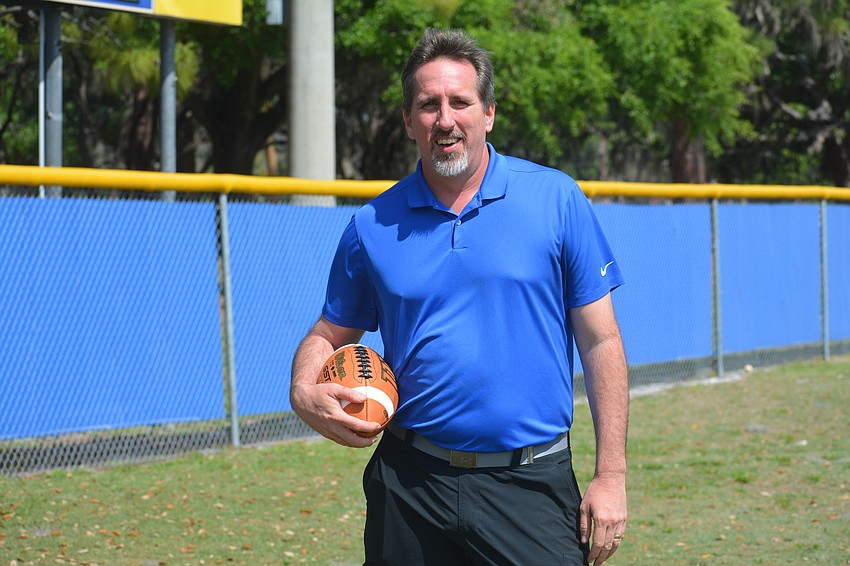
But he also understands the drawback of not including all high school athletes in the bill. He’s the father of rising senior Noah Spenn and rising junior Selah Spenn — both in athletics, but neither of whom are impacted.
“There's part of me that says, ‘Just make it everyone.’ The thought is that this is phasing it in,” Spenn said. “You're going to get every freshman, and you're not going to put a huge burden on athletic departments.”
The resting ECG is painless and non-invasive, lasting about 10 minutes. It involves 12 electrodes with adhesive pads placed on the chest, arms and legs to measure the heart’s electrical activity.
Athletes who fall under the new mandate need to obtain an ECG before the start of their respective sport’s season. ECGs completed within a two-year period before July 1 can be used.
If a screening produces abnormal results, written medical clearance is required before an athlete can participate. Parents can also object to the screening for religious reasons.
Sarasota Christian is comfortably ahead of the curve when it comes to SB 1070. Over the last three years, the school worked with Who You Play For, offering free screenings to its athletes.
Moving forward, parents will have to pay $20 for their student-athlete to get the screening, though Spenn hasn’t handled much backlash, if any.
“There’s been some of the, ‘Oh my goodness, I’ve got to do another thing?’ kind of stuff,” Spenn said. “But there hasn't been resistance.”
Riverview was plenty prepared, too, for this bill to go into effect. It has already provided multiple opportunities for local prospective high school athletes to complete their ECG.
May 13, the school — also partnering with Who We Play For — opened its doors to all students in Sarasota County who needed a screening, at a cost of $20 per person. The Rams offered screenings July 14 as well with the July 27 start to the 2026-27 athletic year fast-approaching.
Sobolewski hopes that, no matter where his players fall as it pertains to the bill, each and every one of them lined up to get their ECG.
“You never know,” Sobolewski said. “You could feel fine, you could have no history of anything, but we don't want to mess around with anything — much less, your heart.”
The number of youth athletes who experience sudden cardiac arrest is much, much smaller than those who don’t, but he’s too familiar with that minority to ignore it.