- July 15, 2026

-
-
Loading
Loading
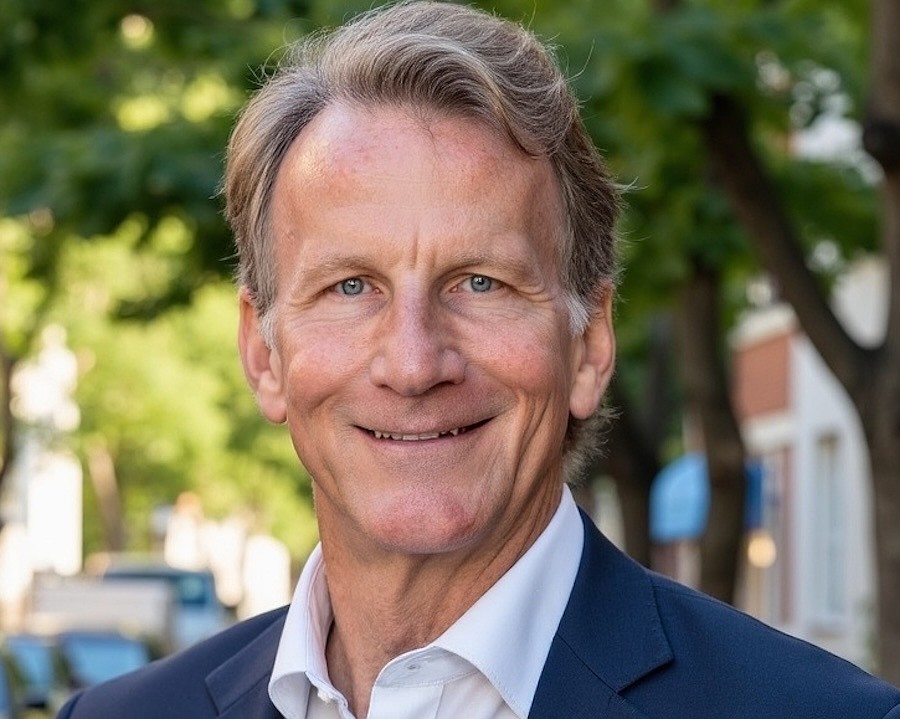
Age: 71
Current occupation: Semi-retired after 37 years of owning my commercial real estate brokerage business.
Sarasota County residency: 52 years.
The first challenge is a lack of real leadership on the commission and a culture that doesn’t genuinely listen to residents. Too many decisions are made over the objections of neighborhoods and small businesses, and people feel shut out of the process. I would work to restore trust by insisting on transparent hearings, meaningful public input, and clear explanations for every major vote.
Second, Sarasota needs to get back to basics. Our city is not as consistently clean and safe as it should be, and that undermines quality of life and our reputation as a place to live, work, and visit. The commission should focus its energy on “nuts and bolts” governance—public safety, code enforcement, and maintenance of our streets, parks, and public spaces—instead of chasing pie-in-the-sky projects that sound good but don’t solve everyday problems.
Third, we have a serious fiscal responsibility issue. Taxpayer money is too often spent foolishly on projects that haven’t been fully vetted or that don’t deliver real value for the people who are paying the bills. I will bring a disciplined, business-minded approach to city finances, asking hard questions about costs and benefits and making sure our budget reflects the core priorities of residents rather than special interests.
The first challenge is a lack of real leadership on the commission and a culture that doesn’t genuinely listen to residents. Too many decisions are made over the objections of neighborhoods and small businesses, and people feel shut out of the process. I would work to restore trust by insisting on transparent hearings, meaningful public input, and clear explanations for every major vote.
With decades of experience in Sarasota’s commercial real estate and community life, I know how to ask hard questions, make tough choices, and still bring people together around practical solutions. I’m running to bring practical common-sense and accountable leadership back to the commission—leadership that listens first, focuses on nuts-and-bolts governance, and treats every public dollar as a trust. My goal is a city that grows wisely, keeps its neighborhoods clean and safe, respects its residents, and manages its finances with the discipline our taxpayers deserve.
No.
I’m the best candidate for this office because I combine deep, long-term roots in Sarasota with hands-on experience in the very areas the City Commission struggles with land use, growth, and fiscal discipline. Having lived here for more than five decades and built a successful commercial real estate business in this community, I understand how city decisions affect neighborhoods, small businesses, and our overall quality of life on a daily basis.
My professional background has required me to evaluate projects, read the fine print, and make tough decisions with real money on the line. That experience translates directly to city budgeting and oversight. I’m used to asking hard questions, insisting on accountability, and saying “no” when a deal doesn’t serve the long-term interests of the community. Those skills are exactly what Sarasota needs to bring fiscal responsibility back to City Hall and to stop spending taxpayer dollars on poorly conceived projects.
I also believe I’m the strongest candidate because I’ve made listening, not talking, the foundation of my campaign. I’ve been meeting with residents from all parts of the city—neighborhood advocates, business owners, arts and cultural leaders, and environmental voices—to understand their concerns before offering solutions. That listening-first approach is how I intend to serve: as a commissioner who is accessible, transparent, and responsive, not someone who arrives at meetings with a pre-set agenda.
Finally, I’m running on a clear, practical focus: clean and safe streets, nuts-and-bolts city services, and honest, disciplined stewardship of public funds. I’m not interested in chasing “pie in the sky” projects or using this office as a political steppingstone. My goal is straightforward—to restore trust between City Hall and the people of Sarasota and to make sure the commission gets back to the basics of good local government.
No, the city should not be a developer or a landlord. The city’s job is to set the rules, protect neighborhoods, and make sure taxpayer dollars are used wisely—not to build a sprawling, politicized rental empire. We should use public land and smart partnerships to secure affordability, while keeping City Hall focused on clean streets, public safety, and fiscal discipline.
The city needs to cut or reprioritize spending in areas that don’t directly support safety, cleanliness, and basic services, and it needs to invest more in the nuts-and-bolts operations residents see every day.
Where spending should be cut or restrained:
“Nice-to-have” projects and non-essential initiatives. With a $303 million total budget and pressure from property tax changes and hurricane recovery costs, the city should be cautious about new, high-profile projects that offer limited real benefit to residents’ daily lives
Administrative overhead and duplication. When 71% of the operating budget is tied up in personnel, including a large share for administrative functions, the city should be looking hard at layers of management, consultant spending, and programs that don’t clearly tie back to core responsibilities like public safety, infrastructure, and maintenance.
Projects without clear performance metrics. Any program or capital project that cannot demonstrate measurable outcomes—improved safety, better infrastructure, cleaner streets—should be put on hold or downsized until it passes a stricter cost–benefit test.
Where more needs to be spent:
Clean and safe streets and public spaces. Residents repeatedly say their day-to-day concerns are cleanliness, safety, and livability. Even while overall spending is trimmed, the city should protect and, where needed, increase funding for police presence, code enforcement, and routine maintenance of downtown, parks, and neighborhoods.
Basic infrastructure and hurricane resilience. The current capital plan already emphasizes coastal parks, transportation safety, utilities, and resiliency; those are the kinds of investments that reduce long-term costs and protect residents, and they deserve continued, disciplined funding even as the city tightens elsewhere.
Fiscal oversight and transparency tools. A modest investment in better financial controls, public reporting, and line-item review processes can help prevent waste and rebuild reserves without raising taxes.
D-. The City Commission has not been a careful steward of the public’s money. Spending $7.4 million on two First Street properties for “affordable housing” with no clear, enforceable plan for timely delivery of units or measurable outcomes is not responsible budgeting. It’s a costly gamble with taxpayer dollars. On top of that, the commission unanimously approved affordable housing density bonus text amendments on September 5, 2023, without including a sunset clause. That means this major change to our development rules was adopted on autopilot, with no built-in requirement to review whether it’s working or adjust if it causes unintended consequences.
When you combine large, speculative land purchases with open-ended policy changes and no automatic check-in, you don’t get fiscal responsibility, you get long-term exposure and very little accountability. Taxpayers deserve commissioners who insist on clear goals, hard timelines, and safeguards on every big-ticket item. Until that changes, the City Commission’s performance on managing tax dollars deserves no better than a D-.
The biggest change we need is to bring real discipline and accountability to how the city commits taxpayer dollars. Before we buy land, launch incentive programs, or change paid parking rules, there should be a public, line‑by‑line cost–benefit review with clear goals, timelines, and safeguards. That means adding sunset clauses to major policy changes, requiring regular performance check‑ins, and making sure residents can easily see where the money goes and what they’re getting in return. In short, we need to move from ‘approve now, figure it out later’ or 'approve because staff said so' to a fiscally responsible culture where every dollar is treated as a trust and every major decision comes with proof, not just promises.
The downtown master plan needs a reset. It is the structure for the zoning code which has encouraged lot line to lot line developments thereby minimizing green space which is essential for the life of our community. The administrative approval process needs to be amended requiring buildings greater than 20,000 sq ft and more than eight residential units to have a neighborhood forum prior to DRC sharing with the community the proposed plans including height, use, ingress/egress, trash management and parking. Also, hardships (which are deviations from the code) are now decided by an unelected city manager instead of in full public view by the elected commission. Hardship claims and major deviations from the rules should go before the commission, with neighborhoods able to weigh in.
The plan has also been repeatedly altered through staff‑driven text amendments that are then rubber‑stamped by the commission. Commissioners must fully understand what they are approving, the details and the long‑term impacts on height, density, traffic, and livability, before changing the rules. I would scale back administrative approvals, require commission review for hardship and significant variances, and refocus the plan on quiet, clean, safe, truly walkable streets that respect downtown residents as much as visitors.
The future vision for St. Armands Circle should start with flooding and infrastructure, because if we don’t fix those, nothing else matters, and then focus on preserving the Circle’s charm, scale, and walkable feel. Residents have been clear: no high‑rises, no hotels or short‑term rentals, and a better tenant mix that focuses on quality boutiques and neighborhood‑serving businesses. We need a plan that strengthens stormwater and utilities, manages traffic and improves pedestrian safety, and keeps building heights and density in check so the Circle doesn’t lose the character that makes it special.
Just as important, the future of St. Armands must be decided with residents, not done to them. That means no staff‑driven ‘surprises’ in zoning or visioning sessions that become Trojan horses for upzoning and high-rise hotelization. As a commissioner, I would insist that any major changes to St. Armands go through a fully transparent public process, with merchants and residents at the table, and that we honor their clear message: protect the Circle’s unique character and keep it a low‑rise, livable, neighborhood‑oriented destination.
At some point, we will have a pedestrian cross-over across U.S. 41 to The Bay Park. The question isn’t whether, it’s how and how much. I support safer, more convenient access to The Bay, but I will not support a ‘spare‑no‑expense’ project that becomes a vanity structure instead of a practical solution. Any bridge or grade-separated crossing must be evaluated on cost, design, and long‑term maintenance, with a clear plan for who pays and how it affects the rest of the city’s priorities.
My position is simple: we should pursue a cross-over only with a disciplined funding strategy that looks first to grants and partnerships, minimizes the burden on local taxpayers, and fits within a realistic capital plan. Before we commit, I want to see side‑by‑side options, honest numbers, and a public process that weighs the benefits of the bridge against other pressing needs like public safety, infrastructure, and basic city services. Done right, cross-over can be a real improvement. Done wrong, it’s just another expensive symbol of a commission that forgets whose money it’s spending.