
- July 22, 2026

-
-
Loading
Loading
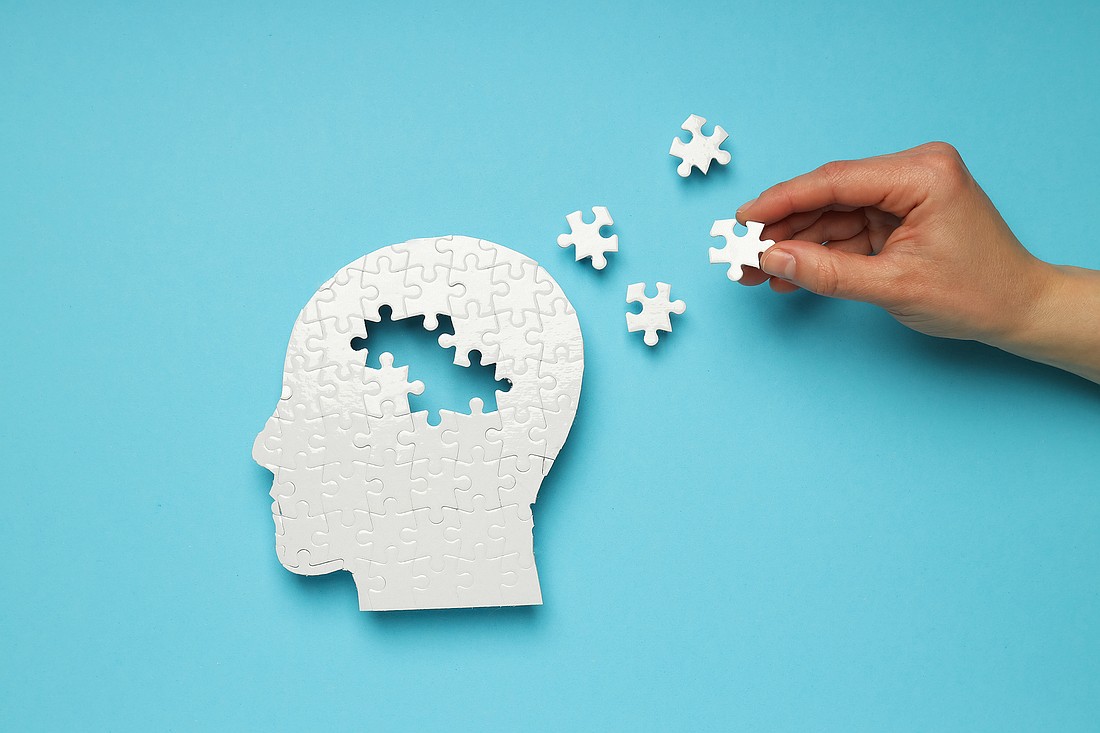
The brain is your body’s processing chip. It controls everything: thinking, movement, senses, emotions, memory and lots more.
The brain does so much so well that we’re often unaware of it working. For instance, when we go out for a run our brain gets us in the mood for exercise, moves our body parts, feels the weather, sees the trail, feels the ground under our feet, smells the woods, regulates our breathing and heart rate. And if we want to use that route again, we can memorize our route and everything we saw and felt and file it away as a long-term memory for future use, all thanks to our brains.
Short-term memories don’t usually last more than a few minutes, like that code you get texted to prove you are you. Your hippocampus, located deep inside the brain’s temporal lobe, helps form short-term memories and stores them in the prefrontal cortex. Once they’re no longer important, they’re gone.
But If that memory is important, like that running route we want to use again, it creates neural pathways, consolidates and transfers that short-term memory into a long-term memory. It gets stored in the cerebral cortex to be retrieved when you want to remember.
To recall a memory, your brain does a search. It retraces the neural pathways it used to create the memory. Then the memory plays back. It’s seldom perfect total recall, but it’s pretty close.
Memory loss is the brain’s inability to retrieve a memory. It’s one of our most feared health issues. Some mild memory loss is a normal part of aging because of changes that take place in the body, including the brain. Issues are normally small, like taking longer to remember someone’s name or forgetting to pay a bill. You’ll adapt. This is nothing to worry about.
MCI — mild cognitive impairment — is more serious. Chronic forgetfulness, trouble finding the correct word, getting lost in a familiar place. This condition requires life adjustment, but there are no personality changes or loss of self as with Alzheimer’s. Life stays mostly normal. The condition can remain stable or it may progress.
There are a number of tests you can take that can determine the severity of memory loss.
A PET scan may find plaque deposits in the brain that may mean Alzheimer's or other dementia. If you’re at all concerned, don’t put off getting tested. The sooner any cognitive conditions are diagnosed, the more effective the treatment.
Lifestyle plays a huge role in memory building and in prevention and treatment of memory loss.
REM sleep, deep sleep with rapid eye movement, starts about 90 minutes after falling asleep. It helps move your memories from temporary storage in the hippocampus to permanent storage in the frontal cortex. Your brain prioritizes memories and makes the most useful ones important. That’s why you feel you want to sleep on it. For every hour awake you need a half hour of sleep to process and learn. Quality sleep is essential for staying sharp.
Unfortunately, because our lives are so jammed full, it’s one of the most ignored lifestyle practices.
It’s hard to sleep when you’re stressed all the time. Chronic stress shrinks your brain volume in memory-critical areas like the hippocampus, making memory retrieval harder. It can cause blanking out and focus problems. Elevated cortisol creates higher risk for depression and later-life dementia.
Research shows stress reduction techniques like yoga, meditation, deep breathing, stretching and exercise — taking a break to do something that brings you joy — if practiced regularly can break the cycle of chronic stress.
You are what you eat. Your body, including your brain, responds profoundly to good nutrition. Eating a healthy diet is one of the most significant positive changes you can make if you’re currently eating junk. Gradually ease in to substituting old favorite junk foods with new favorite healthy food.
The Mediterranean diet is considered the healthiest and easiest-to-stay-on diet in the world. It’s not a strict set of rules, just guidelines that provide a delicious variety of healthy choices, enough for every taste. It lets you build your own personal cuisine.
It’s more plant-based. It features more fish, less red meat and occasional sweets.
Eating a mostly Mediterranean diet rich in fruits, vegetables and antioxidants reduces inflammation, slows cognitive decline and lowers risk of dementia, including Alzheimer’s.
Research shows exercise is major for mental health. It releases endorphins, serotonin, reduces stress and promotes quality sleep. It creates neural changes in the brain that help relieve depression, anxiety, lift mood and help you focus.
The winning combination is to build up to 150 minutes of cardio, 90 minutes of strength and 30 minutes of stretch per week. Patterned movement like aerobics and line dancing help preserve memory and cognition. It’s a workout for your brain.
Patterned movement lights up the hippocampus, the prefrontal cortex and the cerebellum, key memory areas of the brain.
It’s never too late to start taking care of your brain health and preserving your memory. Start by making one easily doable lifestyle change and bring in new ones as each change becomes permanent.
Kicking unhealthy habits and replacing them with healthy ones can spell the difference between good cognition as we age and cognitive decline.