- April 3, 2026

-
-
Loading
Loading
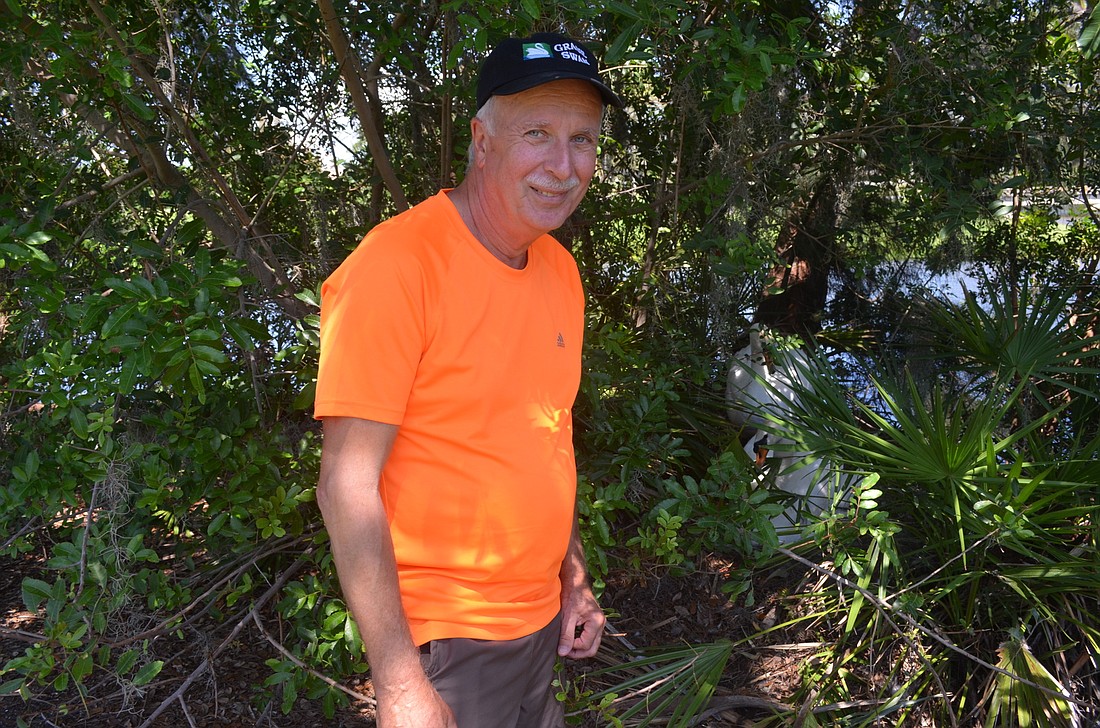
Longboat Key is home to 15 swans, and new babies are on the way. The island’s two mating pairs, Stan and Wendy and Sully and Suzie, are currently caring for nests with four and eight eggs, respectively, that are due to hatch in May.
Working behind the scenes to ensure the birds’ well-being is Harbour Links resident David Novak, who began caring for the swans in 2007 and created the Gracie Swan Foundation in 2013.
Q: How did you get involved with swan caretaking?
A: A neighbor of mine, Alan Stone, brought the first swan pair to Longboat Key in 1995. My interest in them over time grew, but I was an interested bystander until 2007, when the babies of the breeding pair right outside my doorway were killed by predators. None of them survived, so I suggested to Alan that when they have babies, why don’t we photograph them? During the photograph session on day three, the mother, Gracie, was in distress in the water and lost her ability to keep her neck erect. She had botulism (and died). That became the beginning of my true involvement. It was an event you couldn’t ignore.
Q: Have you always been interested in swans?
A: I had no knowledge about swans before this, zero. I’ve established a basic learning of course, but there are always surprises. I learn something new about them all the time.
Q: Why did you establish the Gracie Swan Foundation?
A: Originally, my duties were simply to supply their feeding and to look for ways I could help them, but this required education, research, operations and a lot of hands-on involvement. So in 2013, I created the Gracie Swan Foundation to go from being passive to active in helping the swans. The management of any kind of wildlife requires a lot of investments, and this is now a public charity. No one gets paid, and 100% goes toward swan care. Unfortunately, a tragedy like Gracie’s made the swans more widely known on the island, but it triggered a willingness of community support. There was no real thing for these people to grab onto for them to support, so a foundation did just that.
Q: What is your long-term plan for the swans?
A: The swans at the time of Gracie had a high mortality rate and were fighting each other for territory. They truly were a wild population. My focus now is how to create a sustainable population to have them live here successfully and provide an environment for them. My long-term plan is to only have one territory with a breeding pair. When our current breeding pairs age out, they will be replaced with same-sex pairs. We want to keep a breeding pair because it’s very easy to fall in love with babies, and if we didn’t have babies, the interest of the swans would go down.
Q: Is it difficult to make same-sex pairings?
A: No. They look out for each other, feed and preen together and do everything a breeding pair would do but breed. Also, because there’s no nest, they’re less defensive of their territory. You’ll see the same-sex pairings hanging out with other birds, something you wouldn’t see with a nesting pair.
Q: Why are the swans placed at Islandside and Harbourside?
A: We have to be able to place them in communities that have the resources for them to live, and we need community interest to help them survive. The beauty of where they’re placed is that you can play on the golf course or drive and see a pair. You don’t have to look too hard to find them.
Q: What is it like when the cygnets are born?
A: You get to see an image of your life in them in a very compact timeframe. It’s phenomenal. Hatching takes a whole day, and then on day number two, the female takes them into the water. An average of five cygnets are born, and about three make it into adulthood, sometimes more and sometimes less. I capture the cygnets when they’re 3 weeks old for veterinary care and again at 9 months to be dispersed in a new territory. I don’t want to dump them anywhere. The alternative is to dump the eggs, and I haven’t crossed that barrier yet. I can’t do that.
Q: Tell me about pinioning the swans.
A: It’s like spaying a dog. It’s complying with the law. If there is an exotic animal, allowing them to fly away and invade territories is against the law in Florida. If they fly away to the mainland, it’s not good for anyone. We take them at 3 weeks and clip one side of their wings so they can’t fly away. It involves two stitches, but it’s no pain, and it’s permanent.
Q: What do you find most fascinating about the swans?
A: They are the greatest combination of a flying bird and an aquatic animal. They’re pure white and with that large neck and wings, it’s pure beauty. The way they float effortless on the water is very heavenly.