- March 10, 2026

-
-
Loading
Loading
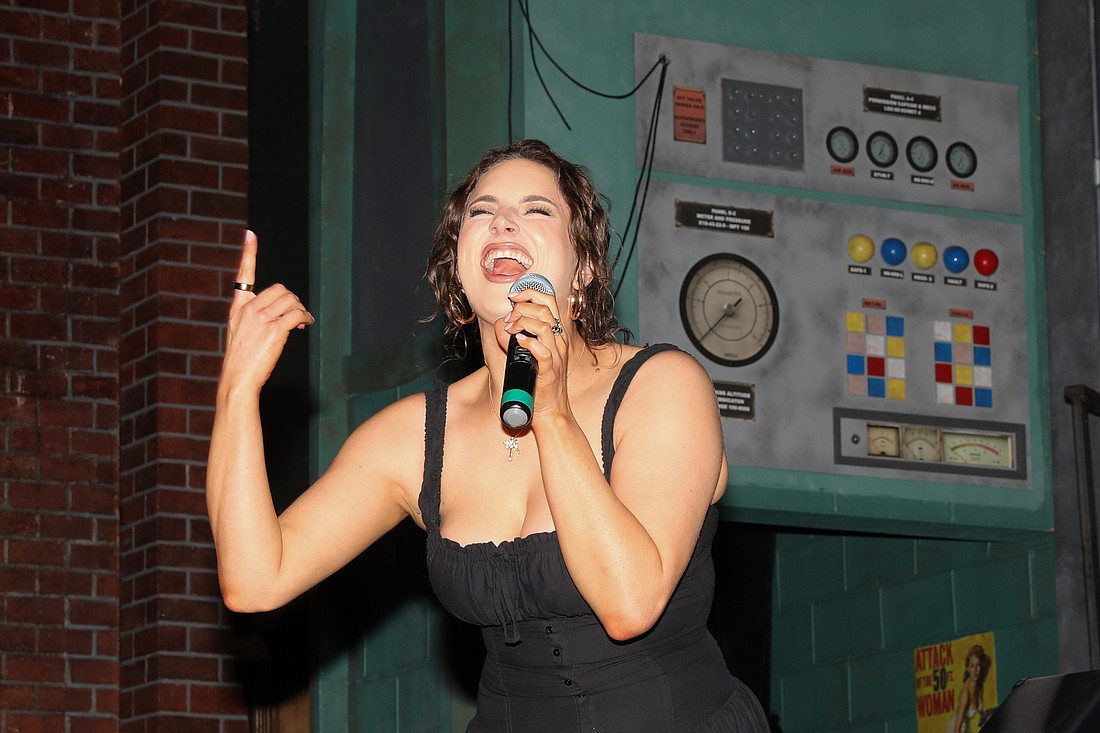
Randy Johnson’s “A Night with Janis Joplin” is FST’s final Stage III production for this season. It’s a musical adaptation of her final concert, not a by-the-numbers jukebox musical. Over the course of this show, Joplin (Francesca Ferrari) talks about her long strange musical trip through gospel, folk, blues and jazz.
The trip also includes close encounters with Joplin’s creative inspirations — Etta James, Odetta and Aretha Franklin, to name a few. It’s not just talk — her musical heroes come to life on stage. Ben Liebert is directing this night to remember. Janis Joplin is one of his musical heroes. In the following talk, he was happy to sing her praises.
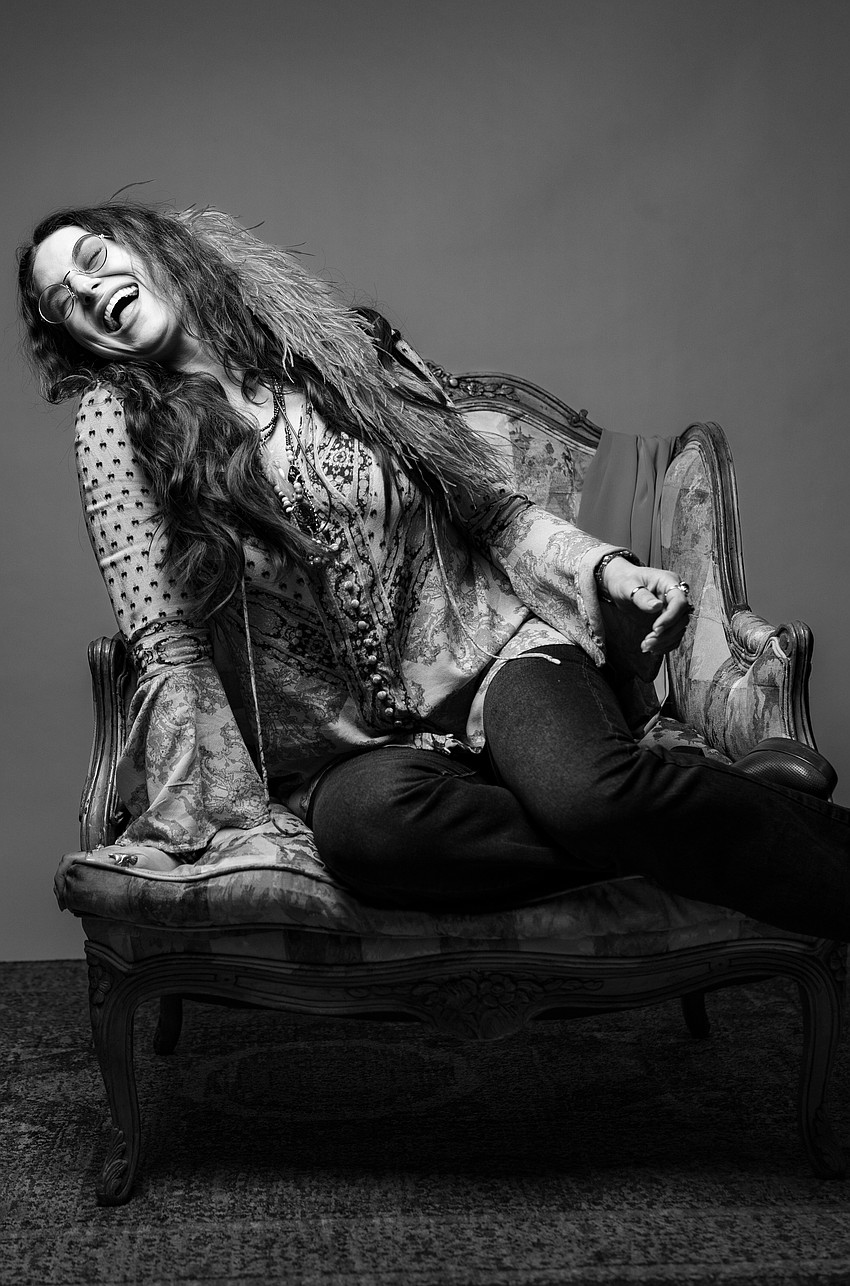
Janis’ performances really inspired his writing. During her concerts, Janis would often speak off the cuff and speak her mind. That’s what she does at the beginning of this show. She says, “Tonight we're going to do something a little different. Let me tell you this story …” Being such an in-the-moment, free spirit, Janis tells the audience the story of her life. She begins by talking about the blues — the underpinning of so much of her music. The story she tells reveals the arc of her life — her influences especially — artists like Aretha Franklin, Bessie Smith and Nina Simone.
Because no artist exists in a vacuum. We're all inspired by the people who came before us. As a theater maker, I’m inspired by the writers, directors and choreographers who shaped theater before me. Everyone builds on a foundation — and Janis’ foundation was surprising. She grew up in a loving, supportive family in Port Arthur, Texas. They listened to Broadway musicals, went to church and sang spirituals. But that wasn’t the music she gravitated toward. But Janis discovered African-American artists like Odetta, Billie Holiday and Nina Simone and thought, “Their music speaks to me — it fires up my soul.” Her backup singers help tell that story by embodying these singers.

No. This show places Janis in conversation with the blues and soul artists who inspired her. You discover how she learned how to interpret music and tell her own story by listening to them. Janis sang a lot of folk music in her early concerts. In this show, she says it didn’t speak to her. She might sing a Woody Guthrie song, but it didn’t feel right. Then she moved on to songs originally performed by artists like Odetta, Aretha Franklin, Bessie Smith and Etta James — and that felt right. Janis didn’t simply cover those songs — she made them her own. This musical lets you hear the originals and compare. If an audience only hears Janis’ version of a song without understanding where it came from, they miss something important. Her interpretations become more powerful when you understand the lineage she was building on.
Voice was first and foremost during auditions. We saw many great singers — and a lot of them tried very hard to sound exactly like Janis Joplin. If we wanted a Janis Joplin impersonator, we could’ve hired one. What we found in Francesca Ferrari and her understudy Laura Fry was something deeper.
They both have that happy-go-lucky, freewheeling, love-driven spirit and joyful nature that Janis projected onstage. But they also capture her sadder underbelly — someone who thinks she knows what she wants but is still discovering it. The actors find parallels in their own lives —and that lets them find the blues inside the songs. So, they’re working from the inside-out to discover Janis rather than trying to copy her from the outside-in. They help us understand the person behind the music — and that’s so much more powerful than imitation.
By staging the show slightly less than carefully. We’re making a conscious effort not to play it too safe. There are still cues and choreography — but the structure is intentionally loose. Basically … we’re building a playground! It’s a solid playground — we know where the slides, swings and monkey bars are. But once it’s built, Francesca gets to run around on that playground. She can improvise and play inside that structure. That creative freedom lets us capture the true spirit of a Janis Joplin performance. She never sang a song the same way twice.
He has a deep relationship with the Joplin family. In 2001, he also wrote an earlier piece called “Love, Janis.” That show used two actors — one sang the songs and the other read Janis’ letters to her family. “Love, Janis” is also the title of the book written by her sister Laura Joplin, and it includes many of those letters. The playwright draws on intimate knowledge and first-hand accounts of Janis’ life. And I love that this is Randy’s second way of telling her story. He found a new form for it.