- March 10, 2026

-
-
Loading
Loading
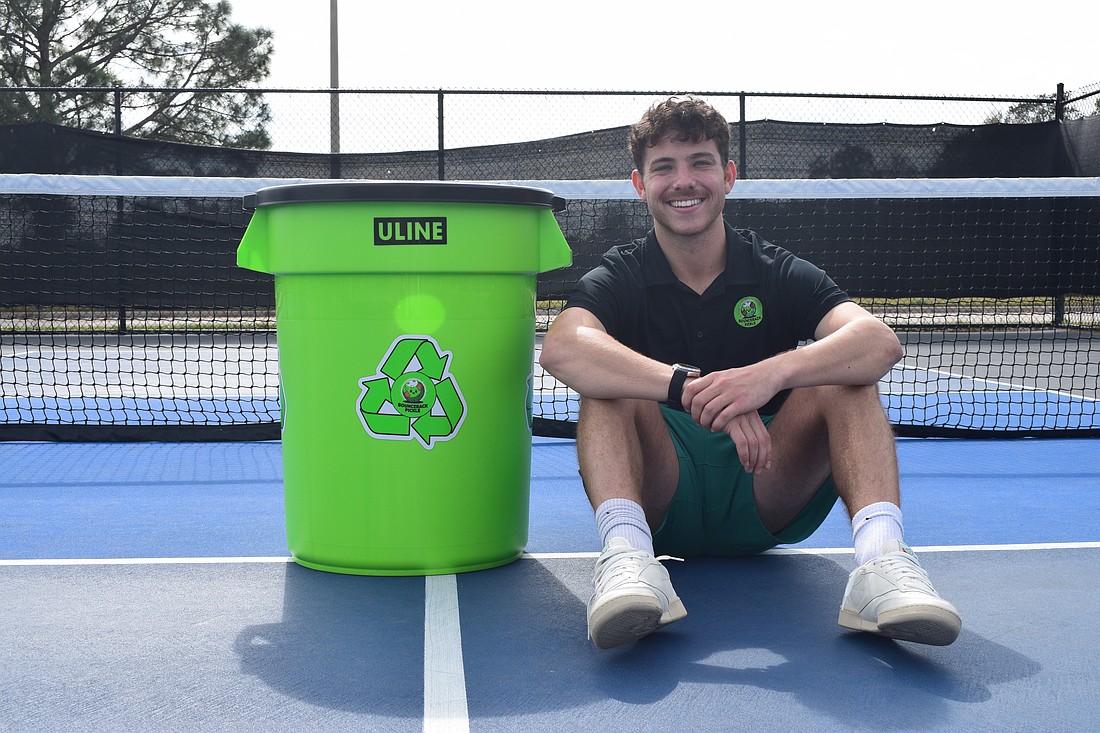
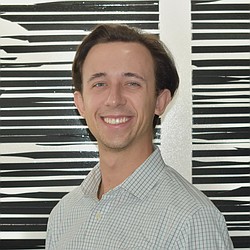
A grin was glued to the face of Dillon Rosenthal as he sat under the tent on the Lakewood Ranch Park pickleball courts. In each hand, he held a pickleball, gazing upon them like a proud father.
Neither of the two balls were products of a major brand. You wouldn’t find them at any nearby sporting goods store.
They were 100% recycled from broken pickleballs — samples of the first test batch he received on Jan. 14 from China. At last, he could feel them with his own hands and see them with his own eyes.
“This was one of the biggest challenges. ‘Can we actually make a real, playing ball?’” Rosenthal said. “‘Yes’ is the answer.”
It took roughly one year to convert a novel concept into something tangible. When his roommate and pickleball partner, Grant Twible, first suggested the idea in January 2025, Rosenthal had no clue the process would take this long.
He was all ears, though, and he was immediately intrigued. He had never seen or heard of recycled pickleballs before, and knowing the sport’s explosive growth, sensed genuine potential.
So he was all in.
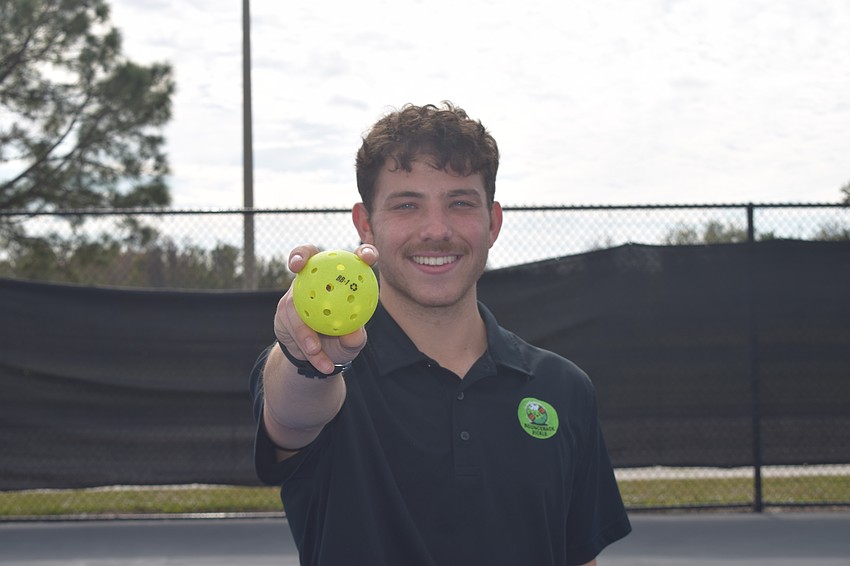
Rosenthal, a fourth-year entrepreneurship major and marketing minor at Florida Gulf Coast University, is the founder of BounceBack Pickle. At 22 years old, he’s poised to become a rapid riser in the pickleball market.
His business offers a one-of-a-kind service by partnering with country clubs, local facilities and parks to turn cracked, used pickleballs into new ones. Bins are placed around courts for ball collection, and once they’re filled, Rosenthal and his volunteers pick them up for recycling.
All those ball remnants are pulverized into a plastic powder. Rotational molding then shapes that powder into hollow, seamless balls with uniform thickness.
It represents the world’s first fully scalable, closed-loop recycling system for pickleballs.
“No one that plays pickleball knows this, but 500 million pickleballs are made every year. That creates 770,000 pounds of waste in broken pickleballs,” Rosenthal said. “That number is only growing. The sport is only growing.”
Before attending FGCU and setting up his business in Fort Myers, he went to The Out-of-Door Academy for secondary education, graduating in 2022. His family moved to Lakewood Ranch from England when he was 7 years old.
Twible — now assisting with operations and facility management — got Rosenthal hooked on pickleball. The two have been playing together for the better part of three years.
In 2025, they began hitting the courts almost every morning, and went through dozens of pickleballs in the process. Twible formed his idea as all that used plastic piled up.
The thought of recycled pickleballs generates an all-important “Why didn’t I think of that?” moment for prospective partners and consumers. It just makes sense.
When that question crosses their minds — for any business — success is imminent.
“There were a couple nonprofits out there doing similar things, but no one turning them into new balls,” Rosenthal said. “It was just recycling plastic, send them out to plastic recyclers and they would either make pellets or plastic blocks.”
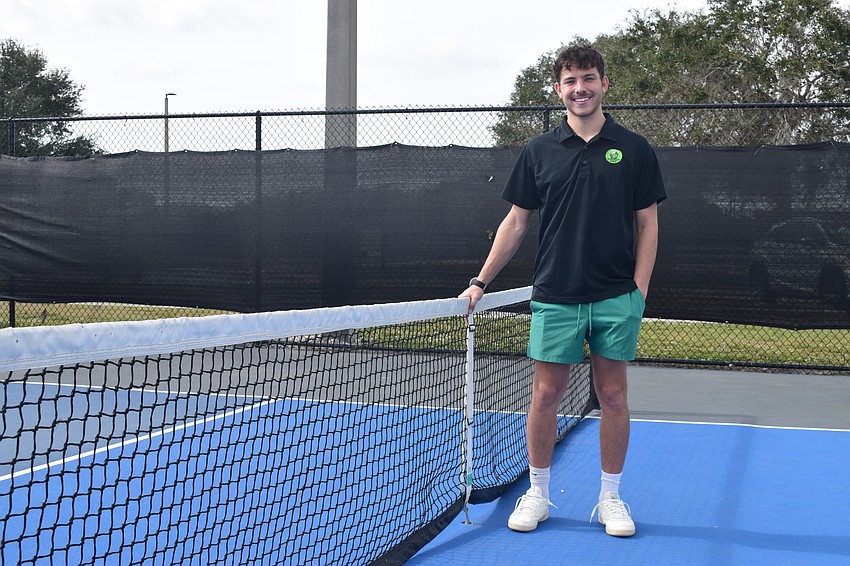
Not only does BounceBack Pickle address a widespread, unsolved problem, but it’s tackling something far more significant.
There’s a disturbing reality about recycling. In 2018, only 8.6% of plastics generated in this country were actually recycled, while nearly 27 million tons — 75.5% — were dumped into landfills, per the U.S. Environmental Protection Agency.
The 770,000 pounds of waste created by used pickleballs is, of course, a rather small fraction of that gargantuan figure. As of Jan. 14, Rosenthal’s humble operation has collected just over 1,000 pounds of balls in collaboration with its nonprofit recycling partner, The RePickle Project.
He’s not going to save the seemingly unsolvable problem of plastic pollution anytime soon, but his mission is honorable. Rosenthal is doing his part by finding a niche and exploiting it.
BounceBack Pickle has 40 bins from Fort Myers to Naples, 10 in Tampa and a handful from Lakewood Ranch to Sarasota. It also has gone beyond state lines, with 10 in Los Angeles, three in San Francisco and one in New York — all as of Jan. 14.
That’s a far cry from the reach he had midway through last year.
“Early on, I was a cold-calling warrior. I felt like a salesman,” Rosenthal said. “A lot of it was for validation reasons. I wasn’t even placing bins in a lot of the clubs I was talking to.”
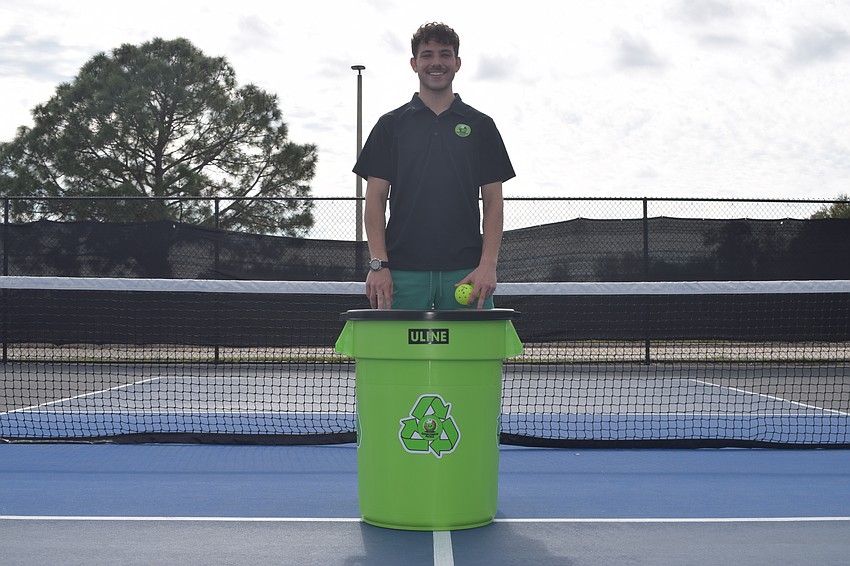
Slowly, but surely, he built connections and spread the word. He first put the idea into action by entering an entrepreneurship contest at FGCU where the top prize was a hefty $15,000.
He won it. The judges simply hadn’t seen an idea like his before. The school sent Rosenthal to other competitions, and he earned even more capital for building his business.
Taking advantage of social media in the digital age has been a major part of increasing interest in and enthusiasm for what he’s been up to. As of Jan. 16, BounceBack Pickle has 69,500 likes on TikTok and 2,545 followers on Instagram.
He wants to blow up the brand now so that he can soon sell direct-to-consumer online.
“This year, social media is going to be a huge push,” Rosenthal said. “I want 50,000 followers by the end of the year. I think that will happen, no problem.”
For the time being, he has that long-sought first batch of recycled pickleballs. Those are proof that what he dreams of is, in fact, possible.
Rosenthal eagerly awaits the day one of his bins is returned to him full of recycled pickleballs. When it happens, he will know that he’s truly ‘made it.’
BounceBack Pickle, though, has already arrived. This business has found a perfect home at the intersection of sport and sustainability.
In a rapidly growing game, it’s a one-of-a-kind player.