
- April 4, 2026

-
-
Loading
Loading
As Lakewood Ranch residents, we’re more focused on looking ahead. The next development, the new restaurant, the next road project.
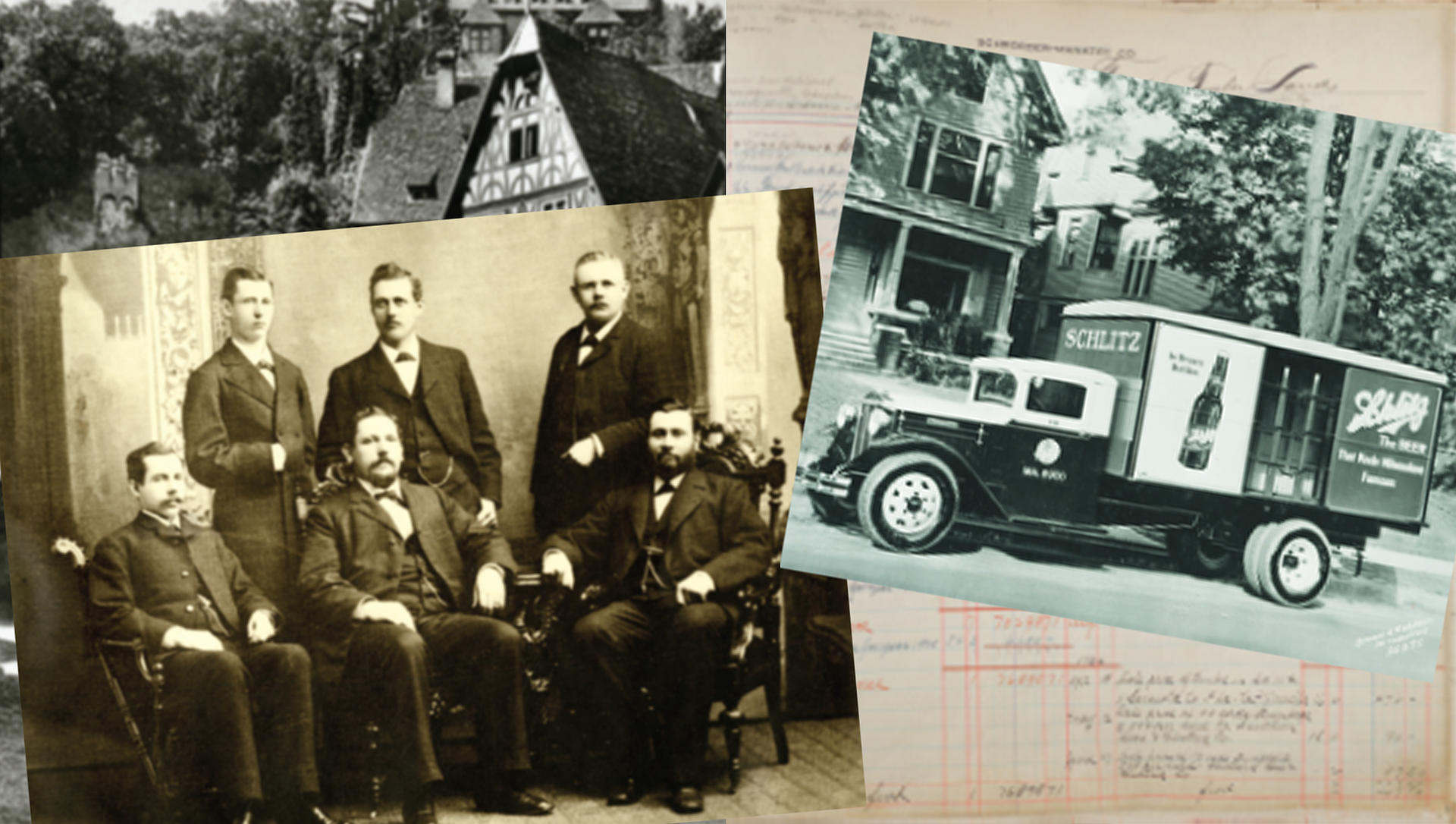
But, to help celebrate Lakewood Ranch’s roots, Schroeder-Manatee Ranch, the company behind it all, has published a book sharing how this all came to be, and the people behind it.
The following are some sections of “Lakewood Ranch: A Legacy of Living with the Land,” to give you a taste of Lakewood Ranch’s start.
Although these are just a few edited excerpts, the book, available at the Lakewood Ranch New Home Center, recounts the community’s evolution in a hard-cover, coffee table-style book.
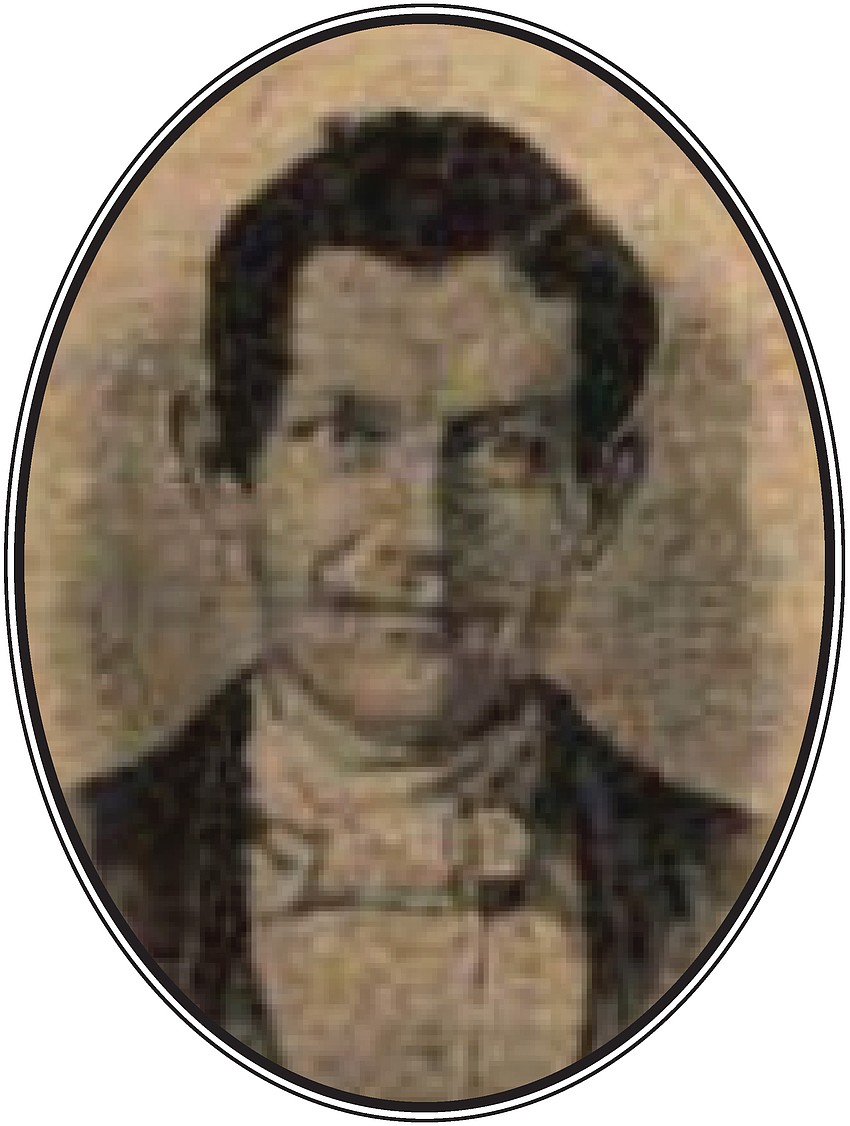
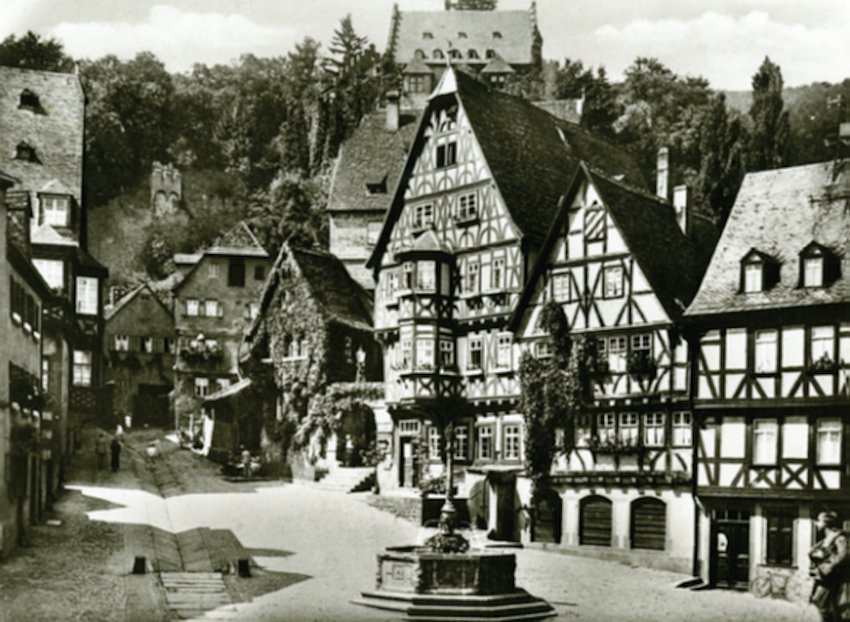
The story of Lakewood Ranch begins almost like a Hollywood movie. According to family legend, the year is 1850. The setting is a small, family-run inn called Gasthaus zur Krone in Bavaria, Germany. A boy by the name of August Ühlein works there with his six brothers and two sisters, until one day the Tauber River overflows its banks and fills the basement.
At the age of 8, August accepts his grandfather’s invitation to go with him to America to be educated rather than stay and help restore the inn. His childless uncle, August Krug, had immigrated to Milwaukee, Wisconsin, in 1840 and opened the Krug Brewery along with an inn. He offered to fund the boy’s education so that August could later work at the brewery and keep the business in the family.
The story goes on to tell how August and his grandfather boarded the Helena Sloman, the first German steamship to sail the transatlantic route to America, with $800 in gold to invest in the Krug Brewery. As they sailed across the Atlantic, the ship caught fire, and Grandfather Krug grabbed his grandson in one hand and the gold in the other as the boat sank off the coast of Newfoundland. The two survived by holding on to a wooden box and floating in the chilly ocean until they were rescued, along with 173 other passengers, by the American ship Devonshire.
Krug was born in Bavaria, the son of a brewmaster, and immigrated to the United States in 1840 to open a small restaurant/saloon in Milwaukee. He added a small brewery — what we would call a microbrewery today. In 1856, Krug had a bad fall and died a couple days after.
At this time, the population in the United States had exploded by more than 40% in a decade. Mass migration came from Germany, whose citizenry was making an effort to leave the political instability in their country. In the United States, the spelling of the Ühlein surname was changed to Uihlein (pronounced Ee-line), and eventually all six of August’s brothers and one sister left Germany to be educated in America.
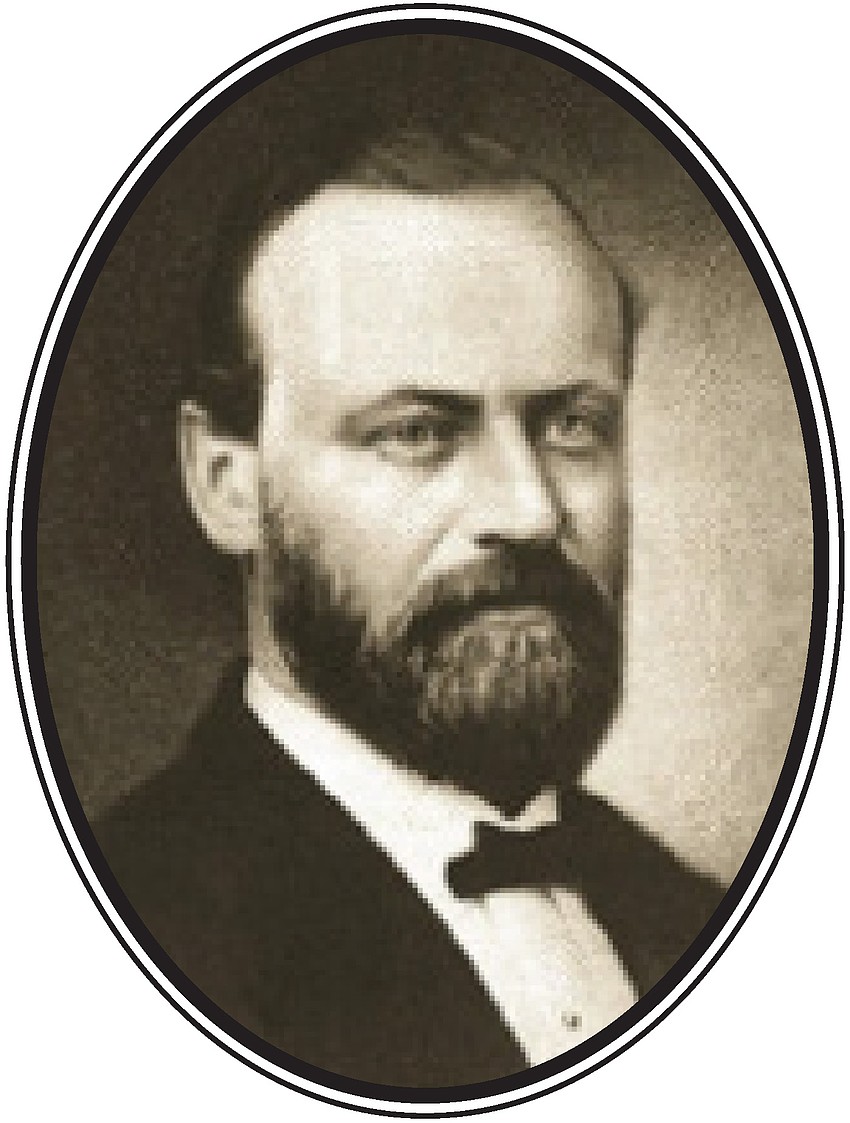
Tragically, in 1856, their uncle Krug fell through a hatchway and died, leaving their aunt Anna Maria with roughly $8,000 of debt — the equivalent of about $250,000 today. The brewery’s bookkeeper, fellow German immigrant Joseph Schlitz, was the son of a cooper and wine trader and had come to America in 1849 seeking a business career. He was determined to keep the brewery afloat, stepping in to run it after Krug’s death. A deeply ambitious man respected for his shrewdness, he changed the name to Schlitz Brewery and hired the then 16-year-old August Uihlein to fill his previous role as bookkeeper, likely to keep peace with the family. Two years later, Schlitz married Krug’s widow, Anna Maria, 27 years his senior, thus cementing his position at the company.
His leadership began during a tumultuous time in United States history. Three years after their marriage, the American Civil War began. Schlitz noted a rising preference for German lager over British ale among German-immigrant soldiers, so they ramped up production to meet the growing demand. Then in 1871, Mrs. O’Leary’s cow famously kicked over a lantern, starting the Great Chicago Fire that burned over 17,000 structures, including most of the breweries there. This tragedy greatly decreased the competition for neighboring Milwaukee brewers. Schlitz used this to his advantage, moving quickly to create new trade within the devastated city.
The demand for lager continued to increase, and seeking a process that could create a more shelf-stable product, Schlitz left Milwaukee in 1875 to travel to Europe for research. His steamship, the Schiller, got caught in a storm on May 7, 1875, smashing into the rocks off the shore of Cornwall. He was among 335 casualties, including many other prominent Milwaukee residents, in one of the largest shipping disasters of the late 19th century. His body was never recovered, despite the $25,000 reward offered by Anna Maria. The brewery was once again without a leader.

In his will, Schlitz bequeathed Anna Maria a 50% stake in the brewery. He then honored August Krug’s wishes by passing ownership of the company to Krug’s seven Uihlein nephews in his will. Five of them stepped in to take charge of the company’s management: Henry as president, Edward as vice president, Charles as brewmaster, William as assistant brewer, and of course August, who continued there, as he owned the largest block of stock. He moved into the role of chief operating officer and secretary. Alfred, who came to the United States in 1867, had just joined Schlitz in 1871. After Schlitz’s death, he became superintendent of the plant, and then in 1917 he was named president, a post he held during Prohibition (1920–1933).
The brothers chose to maintain the Schlitz name for the brewery as a way to return the honor to their step-uncle and likely to avoid the very common confusion about how to pronounce Uihlein.
August’s brother William completed the research mission that took Schlitz’s life. While in Copenhagen, he discovered a pure yeast culture that entirely changed the game for beer makers in America. This discovery kicked off more than a hundred years of brewery success, defined by innovation and quality. For example, Schlitz was the first brewery to put the beer in a brown bottle to protect it from light deterioration.
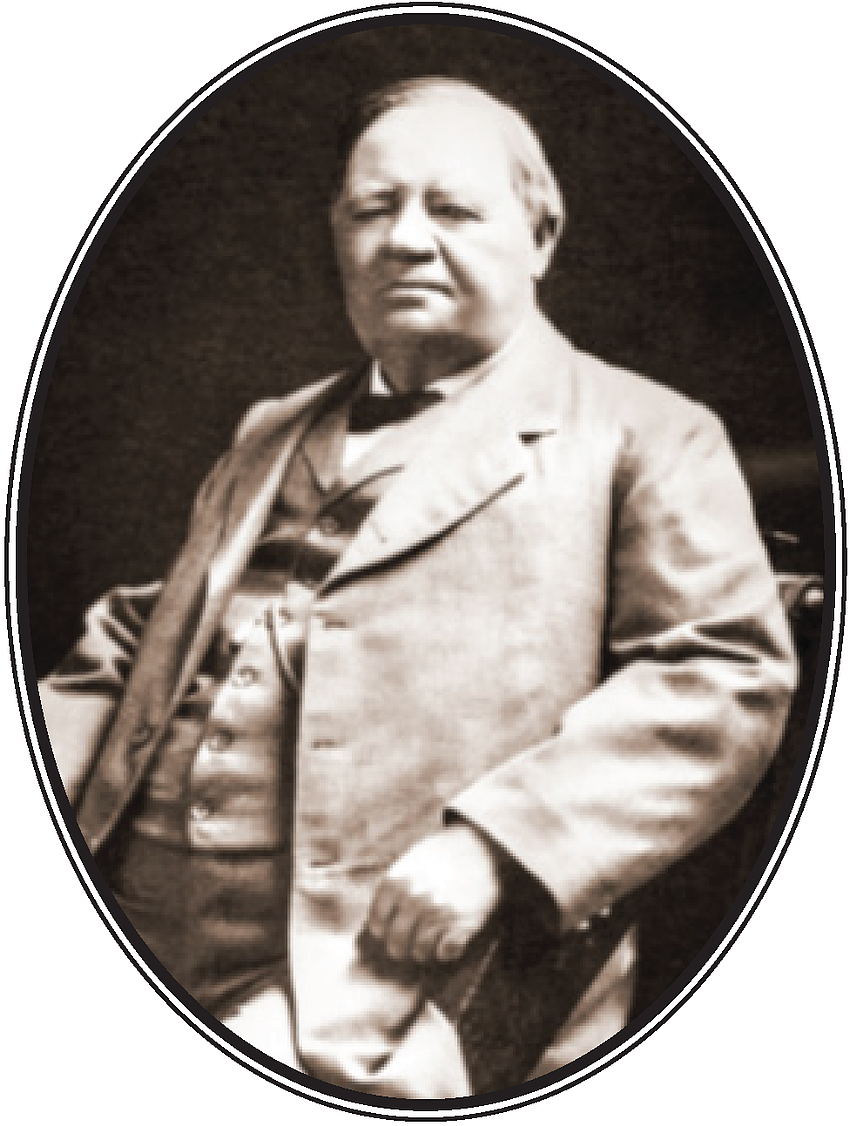
As the Uihlein family was building a brewing empire in the midst of America’s bustling industrial age, a 10-year-old German immigrant named Christian Ferdinand Schroeder was also making his way in a new land.
The son of a carpenter and a laundress, Schroeder (who preferred to be called John) embraced the spirit of opportunity that defined his new home, picking up any work he could find. He left his home in St. Louis at the age of 19 to take work as a grocery store clerk in Milwaukee. His entrepreneurial spirit and industrious nature led him to the purchase of a wagon and team of horses just a few months later. He then started a business with a friend, taking work building roads and moving immigrants around the Midwest. They gained a reputation for integrity and quality, standards that he never lost.
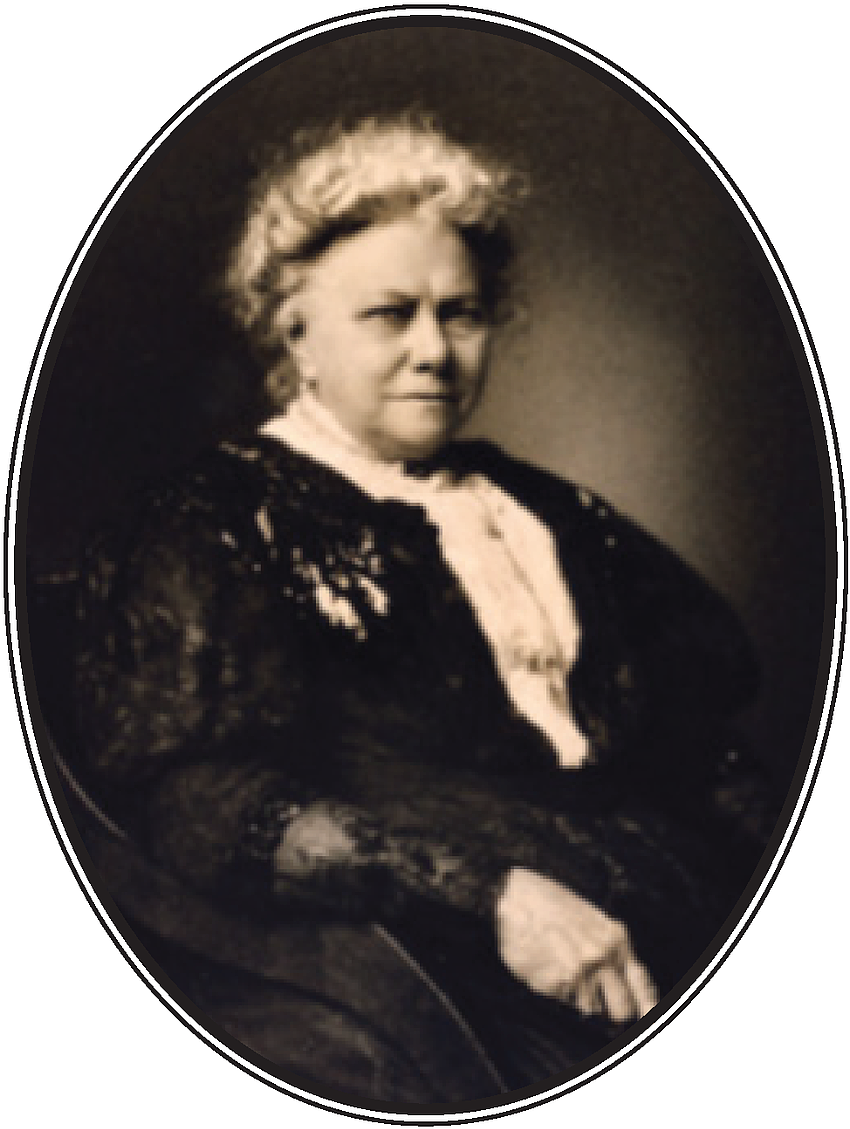
In 1859, John married his 19-year-old sweetheart, Margaretha Luehring, despite their 13-year age gap. This happy union resulted in 12 children and 27 grandchildren. Seven years after his marriage, John joined an established lumber business as a partner with Martin Seyfried to form the Schroeder & Seyfried Lumber Co.. When Martin retired in 1872, John dropped the Seyfried name and continued the business as John Schroeder & Co.
By this time, the lumber industry was the backbone of America’s burgeoning towns and cities. The company continued to grow, and in 1881, the John Schroeder Lumber Co. was incorporated as a joint stock company equally owned by John and his three sons Henry, Fred, and William. Their enterprise developed into one of the largest lumber companies in the Midwest, with timber holdings initially in the upper Midwest, including Wisconsin, Minnesota, and Michigan’s Upper Peninsula.
In 1904, a town named Schroeder was organized in Cook County, Minnesota, to support the lumberjacks that had flooded into the region. Lumber records show that this operation cut approximately 200 million feet of lumber between 1895 and 1905, and the Schroeder Lumber Co. offices in that location reportedly had one of the first telephone systems in Minnesota.
The Schroeder family became a name synonymous with the American dream — a tale of hard work, family values, and a deep connection to the land. With access to dock facilities on Lake Superior as well as a thriving rail system, the company grew throughout the West, all the way to the Pacific Northwest and into Canada, and reinforced its reputation for fair dealing and superior products, in particular high-quality millwork and graded lumber. Aside from the purchase of tracts of land, they began building railroads, developing towns to support their mills, and amassing a fleet of ships to move all the lumber.
As his family grew, his home did as well. Still a carpenter’s son at heart, John took advantage of his unlimited access to lumber and transformed what had been a relatively modest house into one of the finest mansions in Milwaukee, incidentally located in the Uihlein Hill neighborhood.
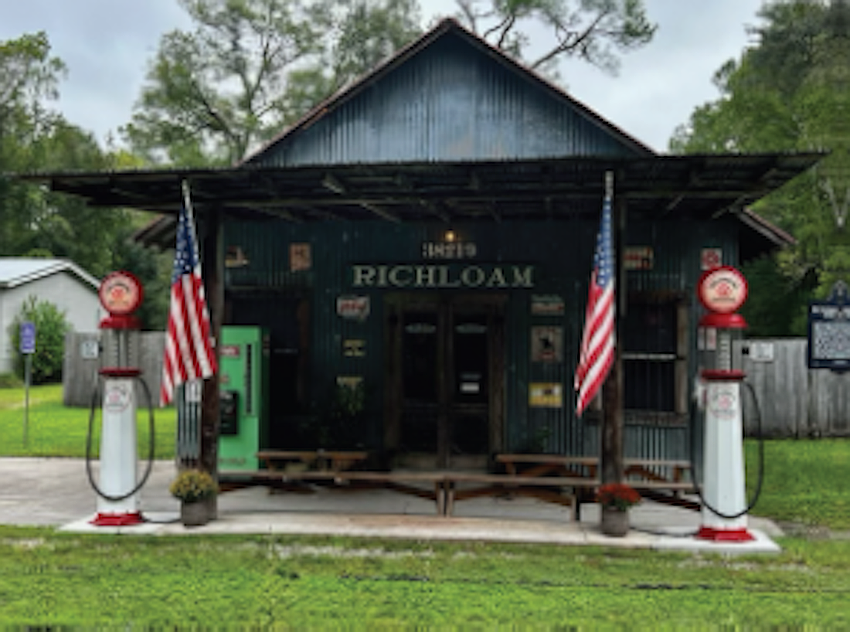
As the 20th century dawned, the Schroeders faced a dwindling timber supply in the Midwest. Resourceful as ever, they cast their eyes on other parts of the country, seeking new forests to meet the growing demand for lumber. In 1910, two years after John Schroeder’s passing at the age of 81, his sons continued the family’s visionary approach under several variations of the company name, including Schroeder Land and Timber Co. and Schroeder Mills & Timber Co. They expanded the family land holdings into the state of Florida, purchasing approximately 127,000 acres northeast of Tampa in Hernando and Pasco counties — now part of the Withlacoochee State Forest. Florida was attractive to Schroeder because of its longleaf pine (sold as “yellow pine”), which was perfect for lumber, and cypress trees. Frederick G. Schroeder said, “Florida is now the leading state for red cypress, known as the wood everlasting, because of its enduring qualities.” The town of Richloam is part of the 127,000 acres in west-central Florida. The company built a clubhouse and demonstration farm near Richloam, in a town called Riverland.
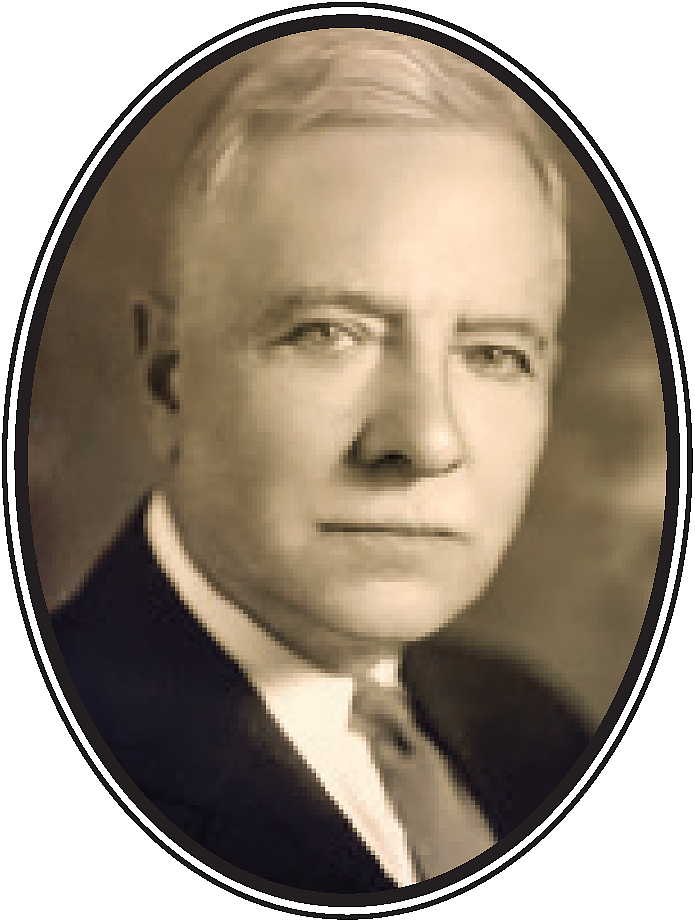
The Schroeder legacy in Florida was further cemented in 1915, when the Schroeder Mills and Timber Co. acquired an additional 23,000 acres 50 miles south of Tampa in Manatee County. This parcel was also rich in longleaf pine and natural beauty and was the future site of Lakewood Ranch.
The Schroeders were more than just lumbermen; they were keen investors who could see potential where others didn’t. They didn’t let any value go to waste, first using the pine trees as a source of pine resin that was distilled and sold. The process of gathering that sap, called “catfacing,” was done by making deep slits into the tree, which eventually resembled the whiskers of a cat. The sap was then cooked down and used in waterproofing products that were highly valued by the navy. It was also used to make turpentine, a widely used solvent, fuel and medicinal product. Once all the resin was harvested, they would harvest the trees for lumber. Cedar trees were smaller and had softer wood, so they were harvested and sent to pencil factories. Nothing went to waste.
After much of the timber was utilized on the 127,000-acre parcel around Richloam, they cleared the land of any remaining underbrush so that it could take on new life as fertile farmland. The company constructed homes on these cut-over tracts and sold the new houses along with the farmland, offering approved applicants an appealing deal. Hoping to attract would-be farmers and ranchers who could not afford the higher land prices and cost of living in the north, the Schroeder Land and Timber Co. came up with a plan. They published and distributed a long and compelling ad in 1916 titled “A Square Deal in Florida Lands.” Using the company train, affectionately called “The Goat,” they would bring prospective buyers to Riverland to show them around the lush Florida landscape.
There were promises that farms in Florida could be started with “less money. And have more to show … with far less chances of failure” than states up north and out west. If prospective buyers would agree to clear 5 acres per year for five years and put the land into cultivation, they would get 25 acres for no money down, no interest, and no taxes for that first five years.
Advertised as an “exceptional opportunity to the industrious man who wants a farm of his own,” they restricted this privileged offer to those who the company judged to be “qualified to become successful Florida farmers.” They even offered to assist these new landowners in developing their farms, allowing them to use the money they might have used to pay down debt to instead purchase the machines and other resources they needed to get started. Once the five-year term was up, the company promised that “liberal terms” would be arranged for the repayment of the loans. This unusual proposition was explained like this: “We bought these lands originally for the timber that was on them, but also recognized the remarkable agricultural possibilities in the land itself and are intensely interested in seeing these fully developed … We believe in the ‘Back-to-the-Land’ doctrine and are offering the most practical solution to the problem.”
Acknowledging the fact that the reputation of Florida as a farming state was tenuous at best, the company sponsored an innovative 65-acre demonstration farm nearby, 18 months before they offered the land for sale. With healthy fields of cowpeas, potatoes, corn, and other plantings, it became a testament to their commitment, showing settlers how to thrive on the land with crops suitable for the local climate and soil.
Unfortunately, the timing was terrible. Florida's land bust in the mid-1920s meant the Schroeder Land and Timber Co. was not able to fully realize the goal of enticing new landowners to come, so the tract was sold to a real estate interest in Tampa. The once-promising town of Richloam is little more than a ghost town today, with a single lovingly restored general store that was listed on the National Register of Historic Places on Oct. 12, 2017.
As the Roaring 20s ushered in an era of rapid development and prosperity, the Schroeder family likely watched with wonder the massive transformation of its neighboring town of Sarasota. The once sleepy town blossomed into the largest city on the Gulf Coast south of St. Petersburg, and Sarasota County emerged as one of the wealthiest in the United States. Sarasota County was formed from the southern part of Manatee County in 1921 as the population in the area around Sarasota skyrocketed from 3,000 in 1920 to over 15,000 by 1926, reflecting the nation’s broader economic boom.
Amid this period of growth, the company began to broaden its business horizons.
News of their activities was of great interest. In an article published in 1916, a “train siding” was announced at a stop named Lorraine, expressly for the Schroeder Mill and Timber Co. This low-speed station was built to serve a future sawmill that would have a “capacity of 75,000 feet daily.” Three years later, another article was published 130 miles east of Manatee County, in the St. Lucie County Tribune, that reported the Schroeder company was constructing a sawmill with the capacity to mill “60,000 feet of lumber daily” that would “employ 300 men.” Then, two months later, the endeavor was lauded once again in the local newspaper to be “one of the largest sawmills in south Florida” in the heart of the company’s “big timber holdings.” The articles describe the “most modern, labor-saving machinery;” a state-of-the-art system of transporting logs to a conveyor belt, where they were sprayed with a hydraulic sprayer to remove dirt and debris and drawn up a 108-foot incline before being sawed into specified dimensions for shipping. The estimated price, not including the cost of lumber to build this immense sawmill, was $500,000 (nearly $10 million in 2024 dollars), and with the required housing and ancillary support for the new workers, the article concluded excitedly that the little town of Manatee would “soon be on the map in large letters.”
The next year, an article ran in the Bradenton Manatee River Journal on March 25, 1920, reporting that the Schroeder company was taking over the lumber operations of an unnamed smaller company, planning to run all the “logging, railroad and sawmill operations.”
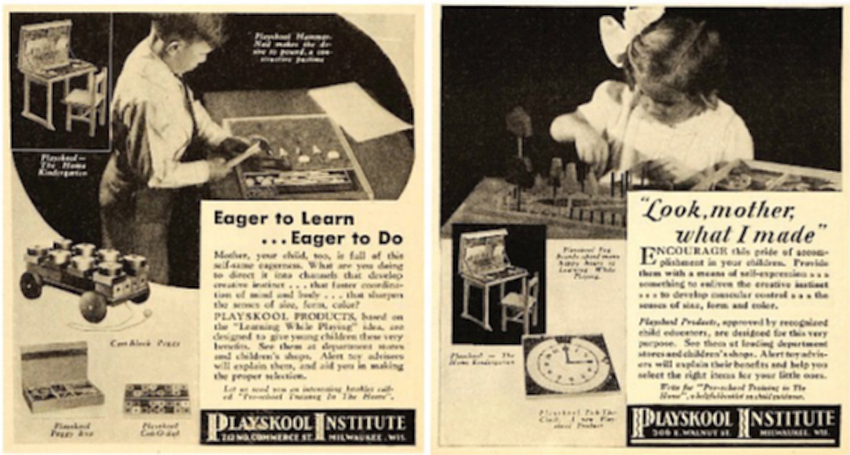
By the late 1920s, the Schroeder lumber company had fully come into its own and was expanding its interests, diversifying into the J.S. Refrigeration Division, where the company began making and selling refrigerators. Then they saw an opportunity to capitalize on the educational sector’s rapidly increasing demand. Eager to take advantage of changing consumer demands, executives began researching what it would mean to manufacture and sell small desks and other educational products for children. This marked a significant strategic shift from their traditional lumber business. This evolved into a “Home Kindergarten” concept, in which a desk-and-chair combination was constructed to hold crayons, toys, and other items that a child would want on hand. By October 1927, the John Schroeder Lumber Co. created a Playskool Division to mass produce it. A large Playskool promotional push soon followed, and something new had been added to the campaign. The Playskool desk was now backed by a council of educators known as the Playskool Institute. It was purported to sell for “less than the cost of a week’s tutorage.”
However, the dawn of the 1930s brought with it the Great Depression, a period that drastically altered the economic landscape of the United States. The Schroeder family’s lumber business was not immune to these harsh realities. The challenges of the era necessitated a series of tough decisions. Total lumber production plummeted from 35 billion board feet in 1920 to a mere 10 billion board feet in 1932. This drastic decline was further compounded by the increased consumption of alternative building materials like cement and steel, signaling a paradigm shift in the construction industry.
The Schroeder family, faced with the economic turmoil of the times, began a process of strategic reorientation. With these unprecedented challenges, the Schroeders began liquidating assets to satisfy creditors and sustain operations. The patchwork of ownership in Florida grew as eager investors continued to snap up land in the rough and wild wilderness of Florida. The Schroeder lumber company had assembled its purchases into larger and larger tracts of land. By 1915, it had collected much of the land that became the Schroeder-Manatee Ranch, but after 15 years, circumstances changed drastically.
In 1930, in a strategic move, the property was transferred to the Schroeder-Manatee Co., now under the control of the Uihlein family. This transfer marked a significant realignment in the family’s business strategy, reflecting the need to adapt to the rapidly changing economic environment.
Despite these efforts, the economic downturn’s severity forced the Schroeder family to make more drastic decisions. The company continued its operations in the upper Midwest, focusing on raising cash through various means. One such measure was the sale of the Playskool Division to Thornecraft Inc., a Chicago-based toy company. By 1936, the depths of the Depression led to the liquidation of the lumber company. However, the Uihlein family, now heavily involved in the Schroeder family business, continued to manage the property, initially focusing on agricultural operations before transitioning to land management. This period marked a significant shift in the Schroeder family’s business focus, from lumber and educational products to land and property management.