- August 12, 2026

-
-
Loading
Loading
When the snowbirds take flight to the north, the town gets the shovels out.
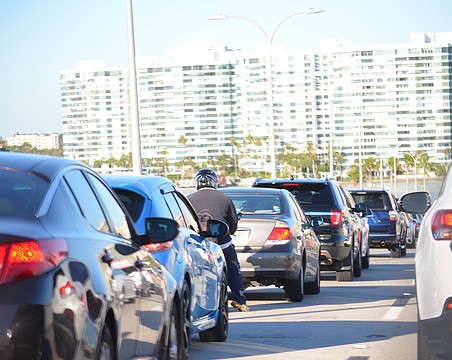
Longboat Key’s 2027 recommended budget states there are 7,445 permanent residents on Longboat Key. During the busiest part of the year from January to April, there are more than double that number on the island, about 20,000.
“We try to do the things outside of when everyone is coming back to town,” Public Works Director Charlie Mopps said. “So we schedule things, especially big projects where you’re disrupting road networks, during the summer.”
The town’s public works department — which oversees most of the projects that appear on the town’s five-year Capital Improvement Plan — holds regular meetings to plan projects out during the summer.
“We have monthly coordination meetings where we go through projects and we talk about when we want to go to bid on each one,” Mopps said. “You have to gameplan it, and I have to make sure that I have the staff to cover the projects. There’s all this overlap, and I have to make sure I have the coverage to provide parental supervision on each of these projects.”
Planning can only do so much, and Mopps credits much of the town’s success in knocking out back-to-back projects over the summer to a capable staff.
“We have a great team here. We have an amazing project management staff. The town engineer is one of the smartest people you’d ever want to meet. Our parks guys have been here forever. Mark (Richardson) does a bang-up job,” Mopps said. “Jessie (Camburn) is very passionate about everything utilities. You couldn’t ask for a better group of folks.”
The practice of saving projects for the summer season is not new. It’s been a norm on the barrier island for years.
“Day one when I started, that’s what Charlie told me. If we can finish projects during the offseason, that’s when we do it,” Project Manager David Kushnir said.
The trend is not a rule, though. Other projects, like the subaqueous wastewater pipe replacement, follow the “do-it-when-you-can” strategy. Securing permits and finalizing design is a years-long effort for a project of that magnitude, and the project is timely.
Beach renourishment, which is scheduled every seven years to replace the eroding shoreline, starts when summer ends. That transformational project is planned around sea turtle nesting season, and the goal is to start placing sand in October after most nests have hatched.
Other projects need to be wrapped up before the next fiscal year starts Oct. 1. When a project bleeds into the next fiscal year, things get complicated.
“Any work that contractors or vendors do up until Sept. 30 cannot be billed to us after October because then you have to reconcile this fiscal year,” Mopps said. “It makes it harder for (Finance Director Sue Smith) to close out her books.”
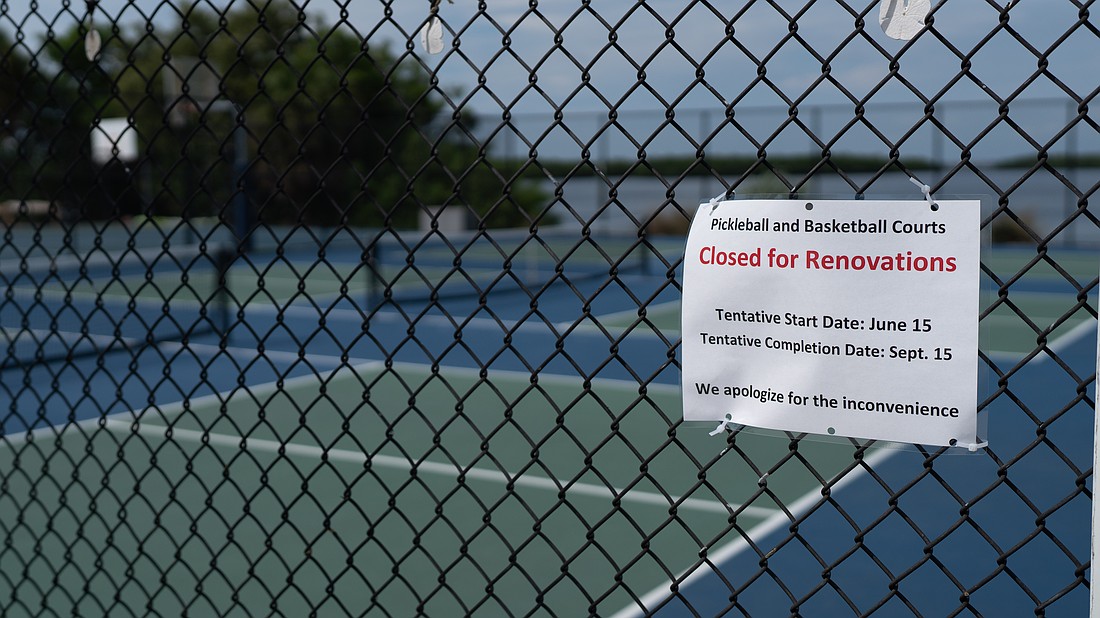
Kushnir said most of the town’s visible work like road repaving projects and park renovations are scheduled from May to October. This summer, the town has already begun a pickleball and basketball court resurfacing project at Bayfront Park and paved four neighborhood roads, and other big projects are on the way.
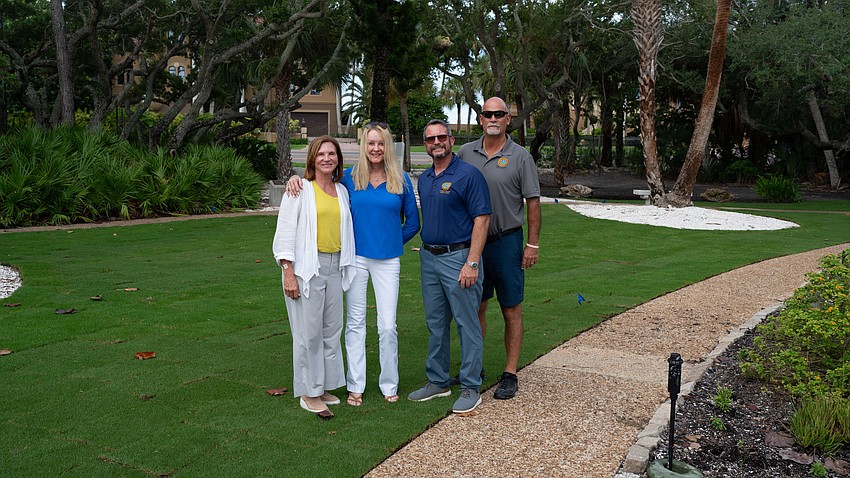
Bicentennial Park is a lot greener than it was last week. New paspalum grass was installed at the park that fronts Town Hall.
Getting rid of the browning sod that did not recover from the 2024 hurricanes was a joint effort between the Longboat Key Garden Club and town of Longboat Key. The Garden Club, which financed the sod replacement at a cost of $18,550, also helps the town maintain the park.
“A lot of the people that are part of that organization have been around here for a long time, so they know what this used to look like and know what it could look like,” said Public Works Director Charlie Mopps. “They just have the knowledge. There are a lot of master gardeners that are part of that organization, and if they are not around, they have sources they can reach out to who are willing to help.”
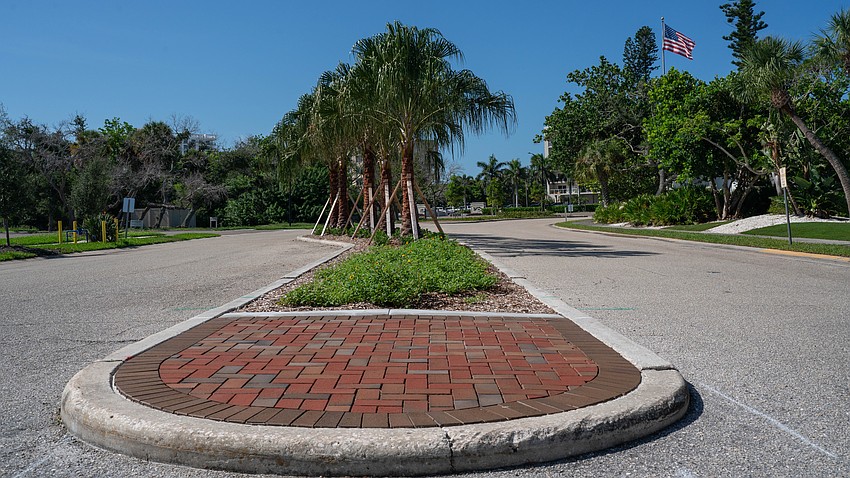
At the beginning of the year, most of the six island medians on Bay Isles Road were filled with old mulch, browning grass, white shells or overgrown palmetto plants.
Now, the medians are much more picturesque. A landscaping project that cost about $500,000 began in mid-May. It was one of the first summer projects the town undertook. That’s because the town wanted to beautify Bay Isles Road, where the town was planning a July 4 parade and celebration, before the event.
That project wrapped up just in time.
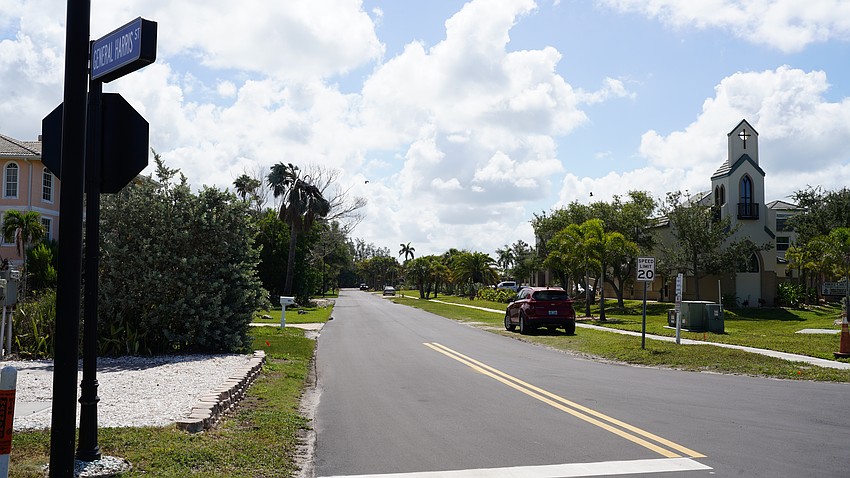
Three north-end neighborhood streets and one mid-Key street were repaved.
General Harris Street was the largest project of the four, with a price tag of $72,550, which began in May. Also on the north end, Cedar Street and Palm Drive were repaved at a cost of $68,100. Those short streets just south of the entrance of the Village neighborhood surround Whitney’s Restaurant and border Whitney Plaza.
Mid-Key, the second half of Royal Road was resurfaced at a cost of $37,500. It completes a full road repaving project that was split into two phases to accommodate heavy construction in the neighborhood as many of the homes on the road suffered hurricane damage in 2024.
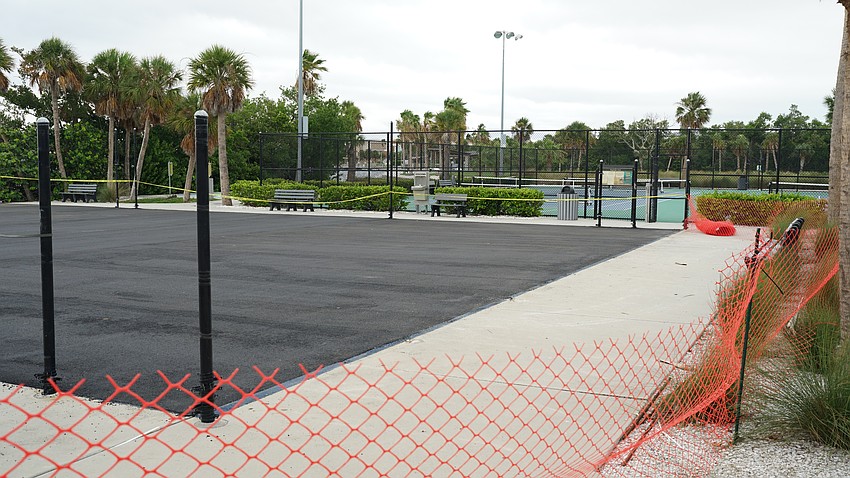
In the first few months of the year, you’d be lucky to show up to Bayfront Park and see a vacant pickleball court.
Paddles hang on the fence during peak season to mark prospective players’ places in line. But now the fence is down, and the blue and green pickleball courts resemble an unlined parking lot. The town is in the middle of a $189,000 renovation of the courts.
The concrete base has been ripped out and replaced with asphalt for a major resurfacing project that Project Manager David Kushnir said will extend the life of the court and prevent the surface from developing game-altering cracks that appeared from the concrete base layer shifting below the acrylic playing surface.
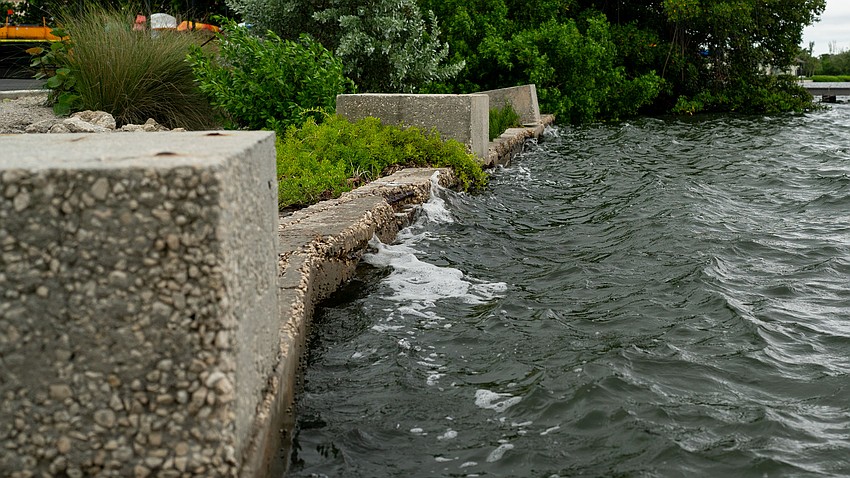
The seawall that separates Sarasota Bay from the Bayfront Park pickleball courts will soon undergo repairs.
Opting against replacement, which could extend into six-digit price tags, the town will enter into a $28,978 contract with Groundworks Commercial to inject the soil behind the seawall with a polyurethane to stabilize the ground and prevent further erosion.
Project Manager David Kushnir said the injection should extend the lifespan of the crumbling seawall by at least 10 years, but that full replacement will be necessary when funds become available.
The seawall injection project is expected to start on Aug. 17.
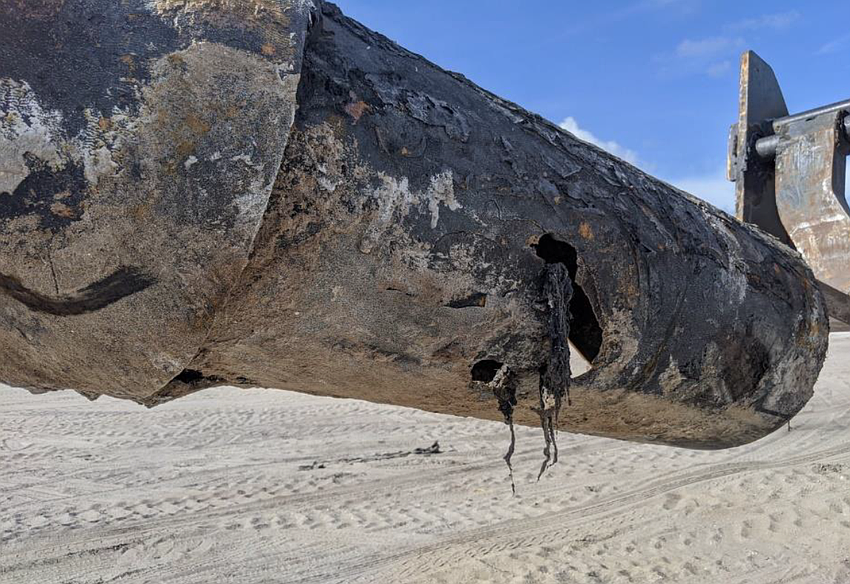
The most expensive project on the town’s docket won’t begin during the summer.
Expected to cost upward of $30 million, the town is relying on state grants and loans to fund a majority of the subaqueous wastewater pipe that will be laid on the bottom of Sarasota Bay. That comes with a plethora of permitting hurdles, and with the project an urgent need, the town will start it whenever they can.
Longboat Key Utilities Manager Jessie Camburn said design work is 90% done and that the final price tag and timeline will become clear when permits are secured from the U.S. Army Corps of Engineers and Florida Department of Environmental Protection. The FDEP permit is expected first, but the Army Corps permit could come months after.