- March 13, 2026

-
-
Loading
Loading
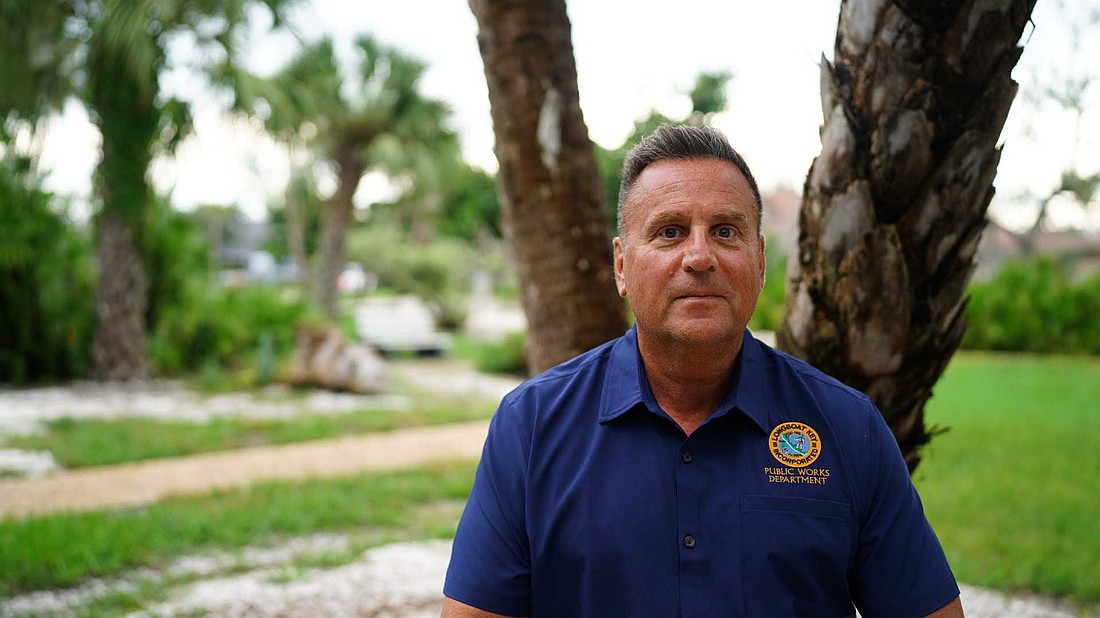
David Kushnir was across the Hudson River from Manhattan when the first plane hit the north tower. Serving as detective with New Jersey State Police, he stepped into emergency mode.
“Basically, your training kicks in and you disassociate because you know it's bad, but you have to do your job,” Kushnir said. “It was horrific.”
Kushnir, now a project manager in Longboat Key’s public works department, recently moved to the Gulf Coast. He was with NJSP for 25 years. Kushnir and Barry Gaines, a longtime Longboat Key employee who recently shifted to a contractor role, spoke about their experiences of being in New Jersey and New York 24 years ago on the morning of the Sept. 11 attacks.
Gaines grew up in Queens, leaving to take a job in Florida before moving to Virginia briefly. He returned to New York City in June 2001. On the morning of Sept. 11, he was leaving his East Harlem home to meet an old friend when his aunt, sitting in the living room, mentioned something she saw on the TV as he passed by. Gaines thought, like most did, that it was just an accident. “How do you not see that building?” they wondered aloud.
Instead of heading out, he stayed in and watched the news.
“Your life just totally changed that day,” Gaines said. After the next plane hit at 9:03 a.m., moving about the five boroughs of New York City became an arduous task.
“I would say around 11:30 or 12, things started getting shut down. You couldn’t move,” he said. Bus routes were canceled or routed away from Manhattan. Trains ground to a halt underground. Cars and boats were the only ways to get around.
Kushnir was traveling by boat, dropping off a detective in lower Manhattan before heading to Liberty State Park in Jersey City, just across the Hudson from lower Manhattan. A makeshift triage unit was put in place in the park by Jersey City Medical Center.
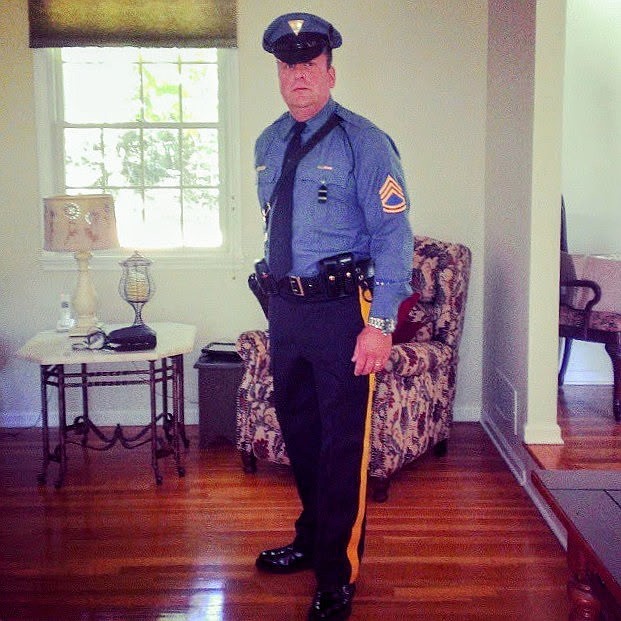
Kushnir had a clear view of the towers as they billowed smoke.
“Cellphones weren’t functioning, radios weren’t functioning. Because all of the signals in that area were from antennas on top of the Twin Towers,” Kushnir said. Then, he and other officers found a nearby building where a restaurant was about to open with a Merlin phone system and set up a command post there.
With the Lincoln Tunnel and George Washington Bridge closed, “the only way off of Manhattan was by boat,” Kushnir said.
“They started ferrying people across New York Harbor to Liberty State Park. Now people are there, and there were no supplies, no water,” he said. Officers connected with Red Cross to provide supplies and arranged for New Jersey Transit to reroute buses headed into New York.
It was all hands on deck across the region, with first responders rushing into and up the burning towers to rescue trapped New Yorkers. As many as 343 firefighters and 23 police officers died in New York that day. It’s hard to talk about for Kushnir, but he said remembering is important.
“Thousands of people in law enforcement, fire departments and EMS workers did their jobs,” Kushnir said. “It is paramount that we remember for those who lost who only went to work to do their jobs and never got to go home, and for their families who never saw their loved ones again.”
The attack on the country shocked, scared and angered Americans. But in New York, Gaines said what he noticed most in the aftermath of 9/11 was unity.
“It was a surreal day. But it was something that as a New Yorker, if something happens to your state or city, everything pushes aside, and everyone just becomes one. We all felt like we just wanted to be together and fight this,” Gaines said. “From the homeless to Wall Street. You just felt like one.”
Kushnir saw the same thing.
“All of the differences in people disappeared. Whether it be political, racial, ethnic, religion, it disappeared,” Kushnir said. “Everybody was just an American. They helped each other. People didn’t argue. They just wanted to feel safe.”
Following the attacks, Kushnir, who was in the organized crime unit, and his team began investigating the possibility of future attacks. The community was on edge, and there were a lot of questions about whether a follow-up attack was possible.
“We were assigned to do follow-up work. We went from being put back into uniform helping people get out of Liberty State Park to now going into investigation mode to put ourselves in the best possible position to prevent anything further happening,” he said.
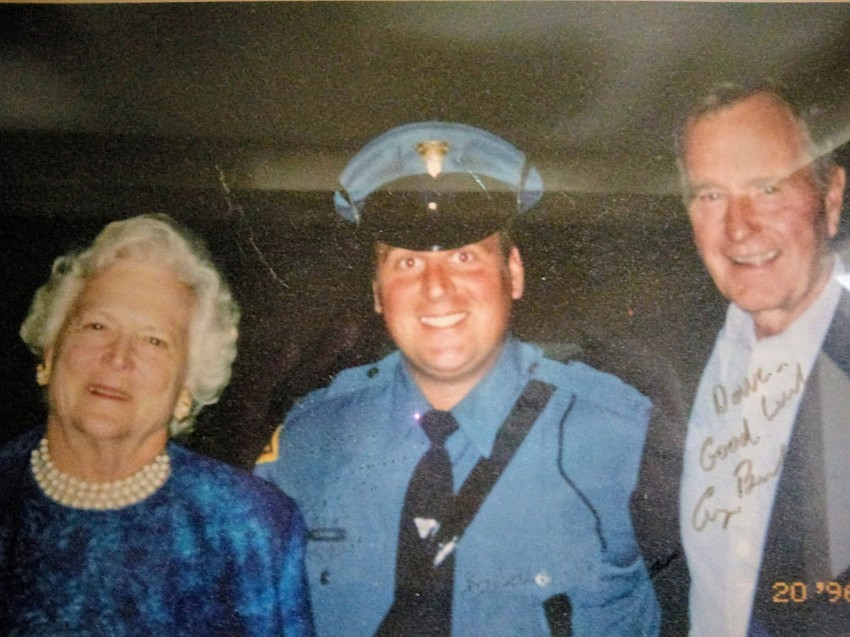
They interviewed hotel and motel employees, flight school instructors, car rental workers and pulled subpoenas for booking records at hotels and motels.
“It was just nonstop for the first month and thankfully there were no secondary attacks,” Kushnir said. “All over America, law enforcement got together and followed up. Did we do a good job afterwards? I would say so. Were we lucky? I would say so. We were fortunate nothing else happened beyond that.”
Air traffic was halted for days after the attacks. Even after air traffic resumed, Americans were leery of taking to the air, and commercial flights didn’t reach pre-attack levels until 2004, according to the Bureau of Transportation Statistics. Gaines said the lack of commercial planes approaching LaGuardia overhead in the days after 9/11 was eerie.
“It was creepy because it was silent,” Gaines said. “You don’t hear a honk or nothing and you look into the sky and you just see two lights in the sky, fighter jets.”
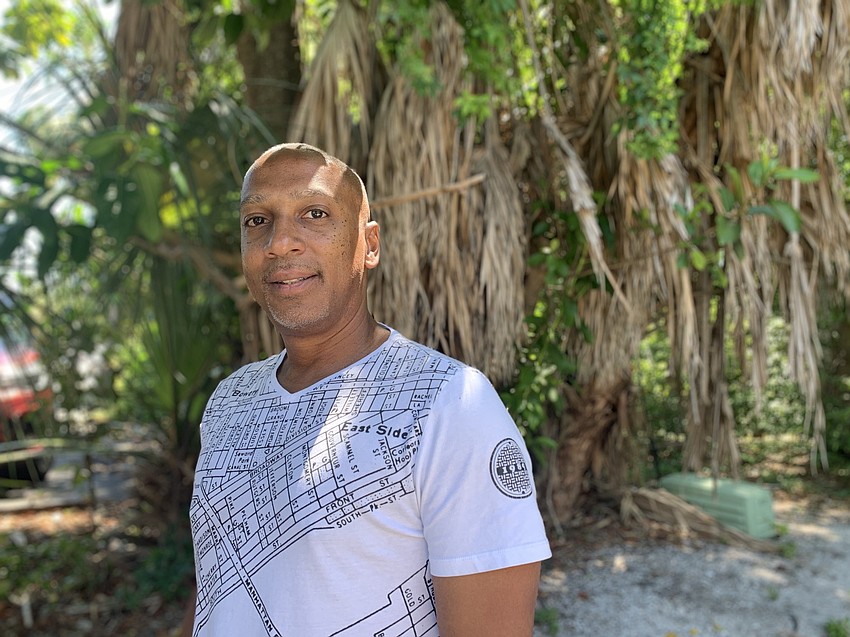
Gaines and Kushnir eventually visited Ground Zero. The pile of rubble smoldered for months.
The massive dust plume that blanketed much of lower Manhattan and the carcinogenic smoke that continued to spew from the rubble pile caused impacts to survivors years after. According to the World Trade Center Health Program, more than 6,300 survivors and first responders have died from cancers since the attacks.
“There’s guys who were working the rubble pile in lower Manhattan during recovery efforts,” Kushnir said. “Over time there were guys that responded that wound up acquiring cancer and tumors and dying that you worked with from their response that day. You’re just thankful that it didn’t happen to you.”
America promised to never forget that day, and for those that were there, it’s impossible to forget even if they wanted to. A glance at a clock, the “dial 911” stickers on police cars, going through TSA at the airport. All reminders. And New York was missing the dominating twin centerpieces of its skyline. Another reminder.
“The twin towers were a symbol of strength around the world,” Gaines said. “It was one of those kings. For it to be taken down, it was almost like a Titanic feeling. Like ‘we can’t sink,’ and it did.”