- March 14, 2026

-
-
Loading
Loading
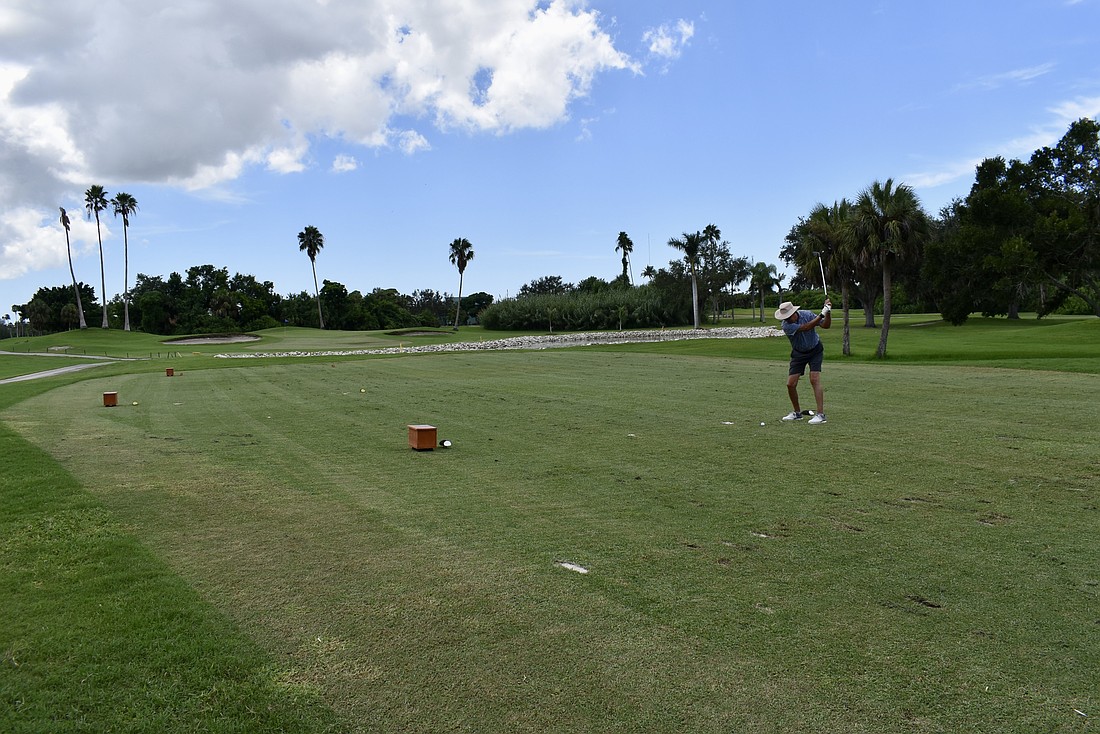
Even as more courses are built in the golf-rich Lakewood Ranch area, the question must be asked if middle class and below golfers are being priced out of the market.
The high-dollar end of the market appears to be thriving.
The Soleta Golf Club opened in December 2024, and the Miakka Golf Club should be open by the end of this year. Golf Digest gave Soleta, which was designed by Hall of Fame golfer Nick Price, glowing reviews.
The Miakka Golf Club was designed by Fry/Straka Global Golf Course Design in cooperation with PGA Tour Major champion Paul Azinger. Scott Kauffman of GolfCourseIndustry.com writes about Miakka Golf Club, "The captivating tales are about ... creating one of America’s most extraordinary golf clubs in southwest Florida’s last unspoiled section of the rapidly growing Bradenton-Sarasota region."
These definitely are playgrounds for the rich.
Other new courses recently built will be accessible only to members.
Calusa Country Club opened its golf course to the public in February, but it eventually will be private once the neighborhood's home sales near completion. It currently costs $69 to play morning rounds there. Lakewood National Golf Club had two championship courses available to the public, but became private once its neighborhood neared a sell-out.
Legacy Golf Club was once the Lakewood Ranch area's top public choice for golfers, but it was sold in 2024 to the Heritage Golf Group, which since the sale operates four private championship courses in the Country Club.
The private Concession Golf Club will host the Senior PGA Championship over the next three years and will showcase the legends of the sport to thousands of golf fans. It might inspire new golfers to take up the sport.
But will they have a place to play?
The River Club stands as the Lakewood Ranch area's most affordable public choice for area golfers who don't have the resources to pay $400 a month or more for four rounds. Morning rates during the summer are $45. Heritage Harbour Golf Club is next in line at $69 and Rosedale Golf Club charges $75. Those rates move toward $100 as season begins in the region.
Any plans to build golf courses in the future in East County aren't likely to include courses that will be accessible to those who can't afford a significant expenditure each month. And the chances of a municipal course being built in East County for public use are slim and none.
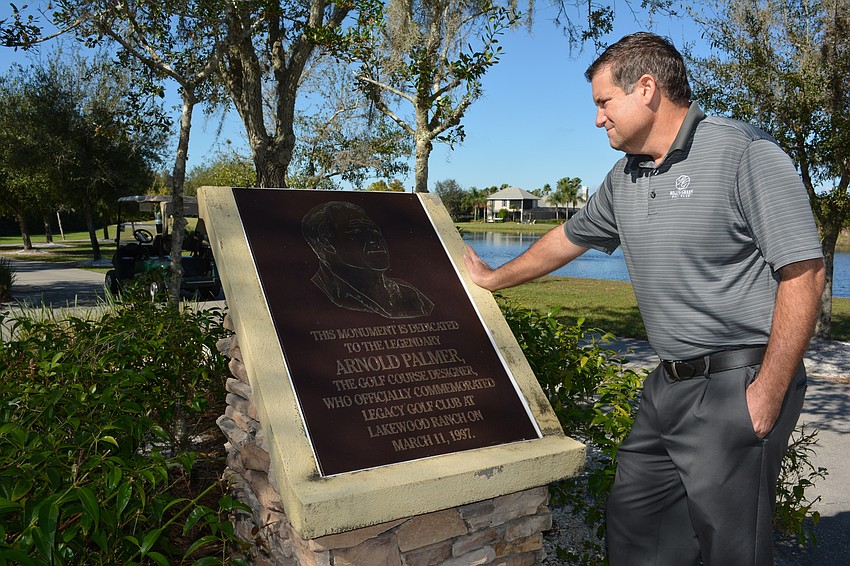
Commissioner Carol Felts said she wouldn't favor another municipal golf course being built in the Myakka City area because too much agricultural land would be lost.
Commissioner Robert McCann said the county has the financial resources to build a municipal course in the Lakewood Ranch area, but he envisions a pushback from much of the county because, "you'll have people objecting because the people in Lakewood Ranch should be able to afford their own golfing."
East County golfers do have a Palmetto option in Moccasin Wallow, which charges $50 for morning rounds in the summer, but that layout certainly can't compete with a championship course like Heritage Harbour in terms of quality. Rolling Green Golf Course in Sarasota was a nearby affordable option for East County golfers, but was sold in 2018 and has since closed. It has been plowed under for development.
So should middle class golfers in the East County area just put out their clubs during a community garage sale?
Lakewood Ranch's Jon Whittemore says no.
Whittemore has owned more than 20 courses in partnership over the years, including Legacy and Rolling Green. While he admits maintenance costs have driven green fees skyward at many courses, he said with some adjustments, golfers on a budget can still enjoy the game they love.
So what kind of adjustments?
Driving to the county's municipal courses, which are in central and west Bradenton and Palmetto, would be one option. Whittemore has partnered with David Perritt to form Fusion Golf Partners, which leases the Manatee County Golf Course in west Bradenton and the Buffalo Creek Golf Course in Palmetto from Manatee County. Those are two of the three municipal courses in Manatee County, the other being River Run Golf Links, which is operated by the city of Bradenton.
Whittemore said Manatee County has plans to upgrade some of the interior spaces and do some cosmetic improvements at its two courses to elevate the golf experience. The green fees are accessible to all golfers at $32 for the Manatee County Golf Course and $28 for the Buffalo Creek course.
"We're excited about what can happen from this relationship," Whittemore said of the Manatee County courses.
Other adjustments in finding low rates at municipal courses include playing "first light tee times" early in the morning. "We like to use our tee sheet to the customers' advantage," Whittemore said.
"Another tool in our tool belt is nine-hole rounds," he said. "We can make those available on the back nine at first light."
He said Fusion Golf will explore ways to enhance the driving range experience and will offer a practice-and-play special that will combine unlimited range balls with special rates on tee times.
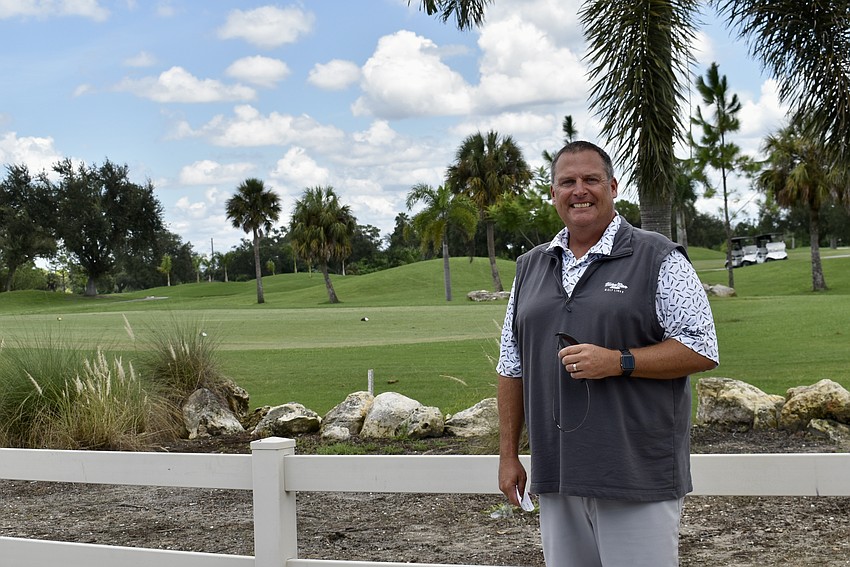
"We know full well that customers can afford a certain number before we start losing rounds," he said. "Can we keep tee times affordable in the long run? We are going to use our tools."
Some of the tools will be changing with the times.
Whittemore said the number of Generation Z and Millennials who play golf is increasing. PopStroke and Topgolf locations are creating more interest in the game. Whittemore calls it "cocktail hour golf." He said those golfers often transform to "real green grass golfers."
He said strategic partnerships will be important in the long run for the Manatee County courses. He is currently working on the formation of strategic partnerships with New College and IMG Academy.
Buffalo Creek hosted 56,674 rounds of golf in 2024 while Manatee Golf Club hosted 51,406. Fusion pays Manatee County $64,572 each quarter for the right to run the courses. But can Fusion golf keep the green fees down at the current level if they spend more money to elevate the golf experience?
The city of Bradenton, which operates River Run itself, faces similar challenges. Can the course be maintained at an acceptable level while still keeping green fees from rising to a point where it locks out a large portion of the community?
Bradenton’s Steve Doll plays every Tuesday at River Run.
“They take good care of us,” Doll said, “And you can’t beat the price.”
If you play at River Run between June and September in the morning, you can pay as little as $32 with a cart. First light tee times can be had for $22 and golfers pay $25 after 1 p.m.
Supreme Golf, a website and app that allows users to book tee times around the world, analyzed over 5.4 million rounds of golf played in 2023 to find the average cost of a round. In Florida, rounds average $64.
But that being said, many of those rounds are generated by the tourist trade, which can drive the price of golf up during peak season.
River Run’s rates fluctuate seasonally, but even in the height of season, golfers pay about $59 to play 18 holes with a cart.
“We lower the rates (in the summer) to make sure that our citizens understand that we appreciate them coming out and supporting us,” River Run General Manager John Byers said. “We also allow walkers because the city wants to promote physical activity.”
The course accommodates about 65,000 rounds of golf each year, including both 9-hole and 18-hole rounds.
River Run is its own enterprise fund within the city, so it has to pay for itself. In 2024, the course’s profit was $545,267.
That is encouraging to those who want the green fees to remain close to where they are now.
Byers credits affordability for the course’s popularity, but also the staff’s customer service. The course is a community amenity, so the staff welcomes beginners and helps them learn the rules of the game and different types of play.
At the same time, the course employs a starter and an on-course ranger to keep everyone on schedule because more skilled players will get “irritated” if their rounds push past 4.5 hours.
Staying on schedule benefits the course, too. Byers said volume contributes to River Run’s profits. The staff also works off a lower budget than if they were working at a private course.
With 10 full-time maintenance employees, the majority of what needs to be maintained and improved is done in-house, which helps to keep costs down.
But there are costs, some unexpected.
River Run staff members are working on a project now that is creating a waste bunker in an area that used to be filled with trees and brush. Byers said it was a bit of an eyesore, but worse, it was slowing down play because balls were getting lost in the brush.
That was one of five projects identified in a 2023 course evaluation performed by National Golf Foundation Consulting, Inc. All five projects totaled about $600,000 and included rebuilding the bridges on the course, removing sand bunkers to increase the speed of play, upgrading the golf shop and creating native landscaping areas to lower mowing costs.
During the rainy summer months, two people ride mowers all week long to maintain the natural turf, which Byers said needs to be replaced soon.
While the report suggested an overhaul option that would exceed $7 million, Byers threw out a guess of about $1 million for basic turf replacement. Currently, Byers and the staff are working on a five- to 10-year plan to address the course’s needs.
“(The turf) is a larger project that we’ll have to tackle at some point,” Byers said. “We’re doing our best to keep money in the coffers. We’re definitely in the situation where we try to pay as we go.”
Following the 2023 evaluation, the city increased the course’s chemical budget, which the study showed was far below its competitors’ budgets.
For now, there are some brown spots on the course where the maintenance staff is killing off weeds and tropical grasses to let the Bermuda grass take over again. Byers said the process takes multiple years and treatments.
The overarching task for the team is to provide a great course that is a value option for citizens.
River Run abuts Mixon Fruit Farms, which Manatee County commissioners agreed to purchase July 29. The city explored the possibility of expanding the course early on in negotiations, but opted out for the time being.
“While no formal steps were taken, it’s something we continue to evaluate,” said Tiffany Shadik, public information manager for the city. “There’s still interest in the idea as opportunities develop.”
Non-municipal courses in East County that cater to the public face the same kind of pressure to maintain the course and keep green fees as low as possible.
"It's just a combination of things," said Brian Lentz, who is the course superintendent at Heritage Harbour Golf Club. "Labor is the biggest cost and chemical fertilizer is second. Third is water. We used to get effluent water to use on the course for free, but no longer. We pay for it now."
Lentz came to Heritage Harbour last September after working at Lakewood Ranch Country Club for more than 20 years.
"At Lakewood Ranch Country Club, we had 54 holes, and we had 50 to 53 workers. Here we have 12 workers, and three of those are part time."
The budget constraints are tighter at a course that caters to the public and tries to keep green fees affordable while attempting to provide a top-flight golf experience.
"If we get a few extra dollars, we can buy a piece of equipment or two," Lentz said. "We try to save money on the repair side. If we can fix it, it saves us a lot. We are much more frugal with dollars here."
But the unexpected does happen.
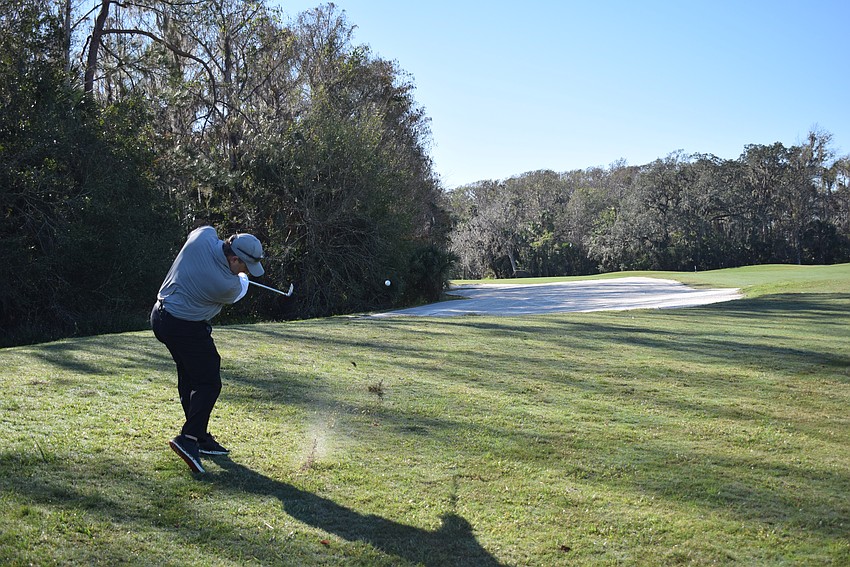
"We identified a problem with a parasite nematode," Lentz said. "We treated 25 to 30 acres, key areas. We have seen extensive healing and when the golfers come back (for season), they will see it."
Whittemore said Heritage Harbour General Manager Mark Bruce's investment into raising the golf experience at Heritage Harbour while keeping the green fees reasonable has been impressive. He said Heritage Harbour has filled the void in the market left by Legacy's sale to become a private course.
Bruce, who was a teammate with Whittemore on the Riverview High state championship golf team in 1986, has been in the business 35 years. He knows not everyone can afford $75 for a round.
"We navigate the waters ... supply and demand," he said. "But we also support young golfers. We have two middle school teams, and two high school teams that use our course (for free) for practices and matches. We have programs where a kid can play for free when accompanied by a paying adult."
Whittemore experienced the battle of investing millions into Legacy while trying to keep green fees affordable. In the six years before Whittemore and his Advance Golf Partners purchased Legacy in 2015, the course had three owners in six years. None were able to maintain the quality of the course, and golfers responded by staying away.
Ironically, when conditions deteriorated, that period led to golf for players who never could have afforded the green fees if the course had sufficiently invested in maintenance.
Can a championship course do the maintenance to sustain its standing as an elite course while charging muni prices?
"It's impossible," Bruce said.