- March 16, 2026

-
-
Loading
Loading
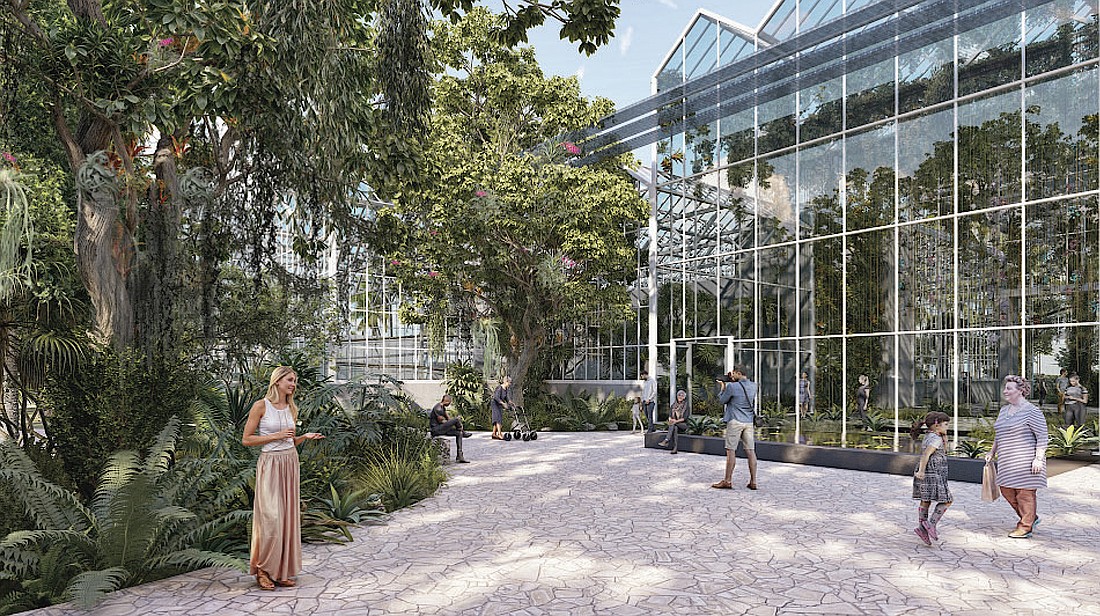
Although some of its members expressed concerns over an alternate tree removal plan absent from the agenda packet, the Sarasota Planning Board by a 4-0 vote approved at its Aug. 7 meeting a site plan for Marie Selby Botanical Gardens Master Plan Phase 2.
The missing material, staff explained to the board, was an oversight resulting from turnover among the city arborist staff, one not discovered until hours prior to the meeting. While that in particular rankled board member Douglas Christy and to a lesser extent alternate member Alexander Neihaus, Manager of Development Services Allison Christie said the plan before the planning board had passed Development Review Committee muster and, thus, that of the city arborist.
“This was formally addressed during DRC review,” Christie said. “The arborist who reviewed this is no longer with the city. My assumption is he did meet on site several times with applicant’s arborist team. I think the alternative designs were discussed extensively with him, and so he signed off and it just got missed that we did not have the hard copies of those alternative designs in time.”
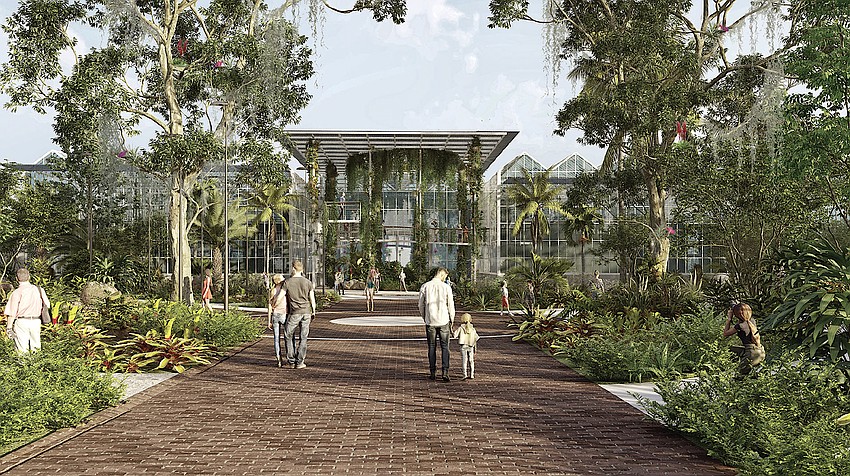
The approval, according to an email sent to Selby Gardens supporters by President and CEO Jennifer Rominiecki, means ground will be broken on the project before the end of 2025 with estimated completion by late 2027.
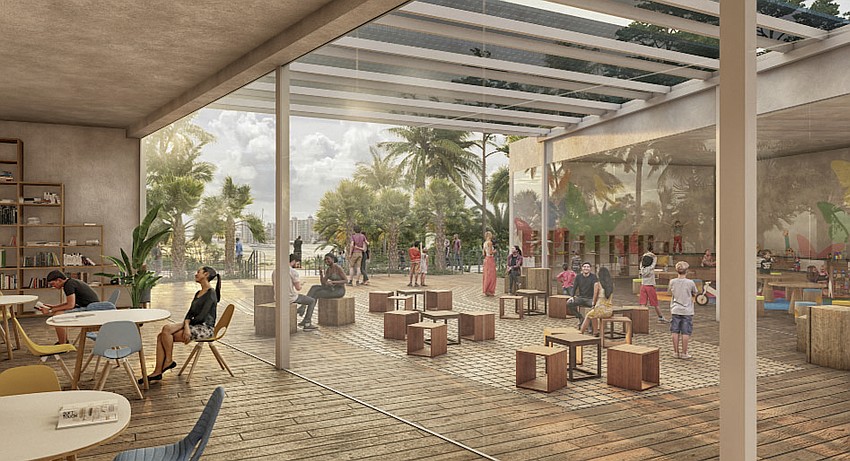
The Sarasota City Commission approved Phase 1 of the plan in 2021. The grand opening was held in January 2024. Master Plan Phase 2 consists of the new conservatory complex, learning pavilion and landscape features. The new conservatory complex, the email describes, “will be the crown jewel of our downtown Sarasota campus — a stunning crystal palace filled with more than 20,000 plants from our living research collections (including the best scientifically documented collections of orchids and bromeliads in the world).”
Currently, visitors can view only about 5% of Selby Gardens’ collections. The new conservatory, Planning Board members were told, will make more than 95% of the collection accessible to the public.
Rominiecki and Chris Cianfaglione of development consultant Kimley-Horne stressed to the Planning Board that the tree removal and replacement plan presented was the only way to fit the needed buildings within the existing footprint of the current facilities — the building coverage area will be increased by just 3% — and to maintain efficiently the working functions of the facilities. Most of the discussion focused on two grand trees — an either/or scenario Cianfaglione explained preserved the grand tree that best worked with the site plan, was the healthiest and had the best chance to survive nearby construction.
“Of course, Selby was intentional about the trees, and not only is it required for the standards for review, but Selby is a botanical gardens. They care about trees, as we do, and worked in Phase 1 to preserve and protect the best trees on site,” Cianfaglione told the Planning Board. “Beyond that, the trees that are saved will benefit from enhanced preservation tactics like aeration of compacted soils and enhanced tree protection techniques. This is a very thoughtful process, and we had a world-class team working on this.”
Selby being a botanical garden, Cianfaglione explained nearly 200 trees and palms are being planted as a part of the second phase.
Acting Chief Planner Rebecca Webster told the Planning Board there were 241 trees on site at the time of the tree survey, 102 of them proposed to be removed. Of those trees to be removed, 79 are located in the development area, and of the remaining 23 to be removed, three were determined to be in poor condition. There are 12 grand trees on site, and a proposal for seven to be removed, all but two determined to be in poor condition. The removal of one of those two, pending the location of a Phase 2 building, formed the basis of the scrutiny.
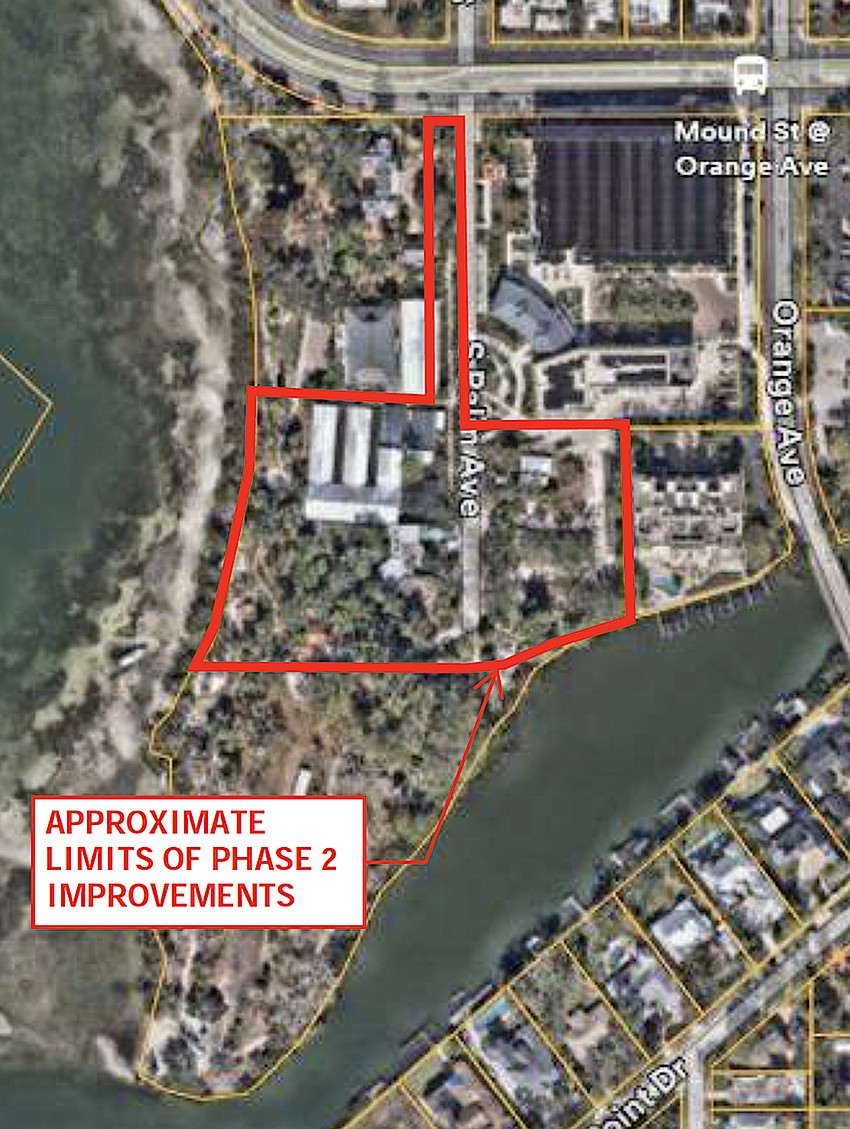
Factoring the building space and the removal of unhealthy trees, the project was left with the 23 required for mitigation. Those will be replaced with 37 trees.
Despite concerns over standard procedural document protocol, all that was enough for the Planning Board, minus the absence of Chairman Dan Deleo and Vice Chairman Shane LaMay for the vote, to unanimously approve the project.
Christy said, for procedural reasons, he would have voted against the plan had the documentation never materialized, albeit at the 11th hour.
“I'm going on the record that I find that the documentation was supplied in a way that fulfills the requirements of the zoning code,” Neihaus said. “We saw it here and had a chance to evaluate it.”
“I'm happy to support this,” said Dan Clermont, who chaired the hearing in the absence of Deleo and Lamay. “Yes, we do lose some trees, but the net gain that we get from it more than accounts for that. So to me, this is an easy one.”