- April 1, 2026

-
-
Loading
Loading
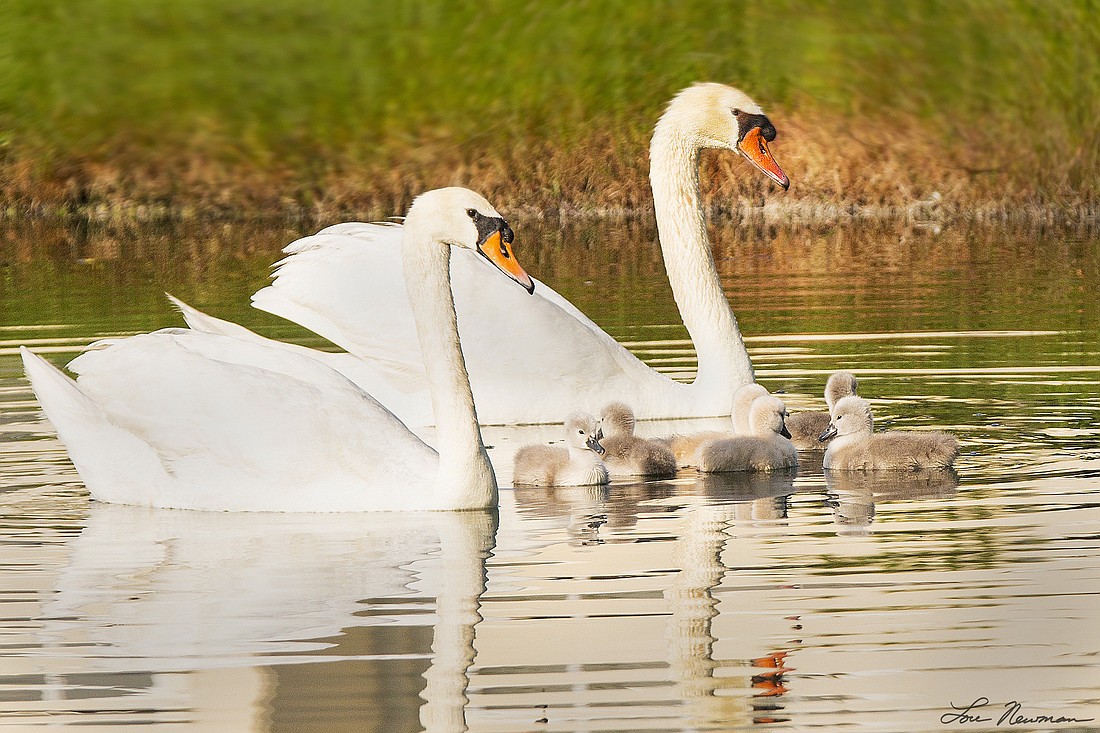
Stan the swan was a nervous father in May, when he was briefly separated from his cygnets while they received veterinary care. He paced 50 feet away from the land bridge where they were captured, hoping for their quick return.
But that was seven months ago — and now, Stan is ready to be an empty nester again.
Swans are territorial in nature, and as their cygnets reach maturity, they begin to view them as intruders and attempt to push them out before mating again in the spring. Stan is no different.
“Stan is showing his displeasure by fighting and chasing away what are likely the male cygnets,” swan keeper David Novak said.
That means it’s time for the next step in Novak’s multiyear plan to stabilize the swan family population by eventually placing a same-sex pair in each territory.
Sometime in December, he will capture this year’s eight surviving cygnets — four hatched from the nest of Stan and his mate, Wendy, and new nesters Sully and Susie produced the remaining four — for DNA testing to determine the sex of each cygnet for same-sex pairing. (Although cygnets were tested in May, only three tests yielded conclusive results, so Novak is starting from scratch.)
Novak hatched the plan for same-sex swan pairs to prevent overpopulation. Swans mate for life and will pair with a same-sex partner if placed together within the same boundaries.
Earlier this year, Novak matched the first same-sex pairs: females Clare and Gretta and males Nik and Bello.
Male-female swan pairs Stan and Wendy and Sully and Susie will remain together, but when they reach the end of their reproductive years, there will be no new cygnets on the Key.
After he captures cygnets with help from volunteers, Novak plans to temporarily hold the cygnets until results return so he does not have to release them and then capture them again. Cygnets will be fitted with a colored identification band and microchipped, and Novak will release the young swan into territories — some of which will most likely be off the Key.
Novak wants the public to know why they may soon see fewer cygnets.
“Their parents are now seeing them as intruders. It’s forceful empty nesting. This should result in a more stable, docile population.”