- July 13, 2026

-
-
Loading
Loading
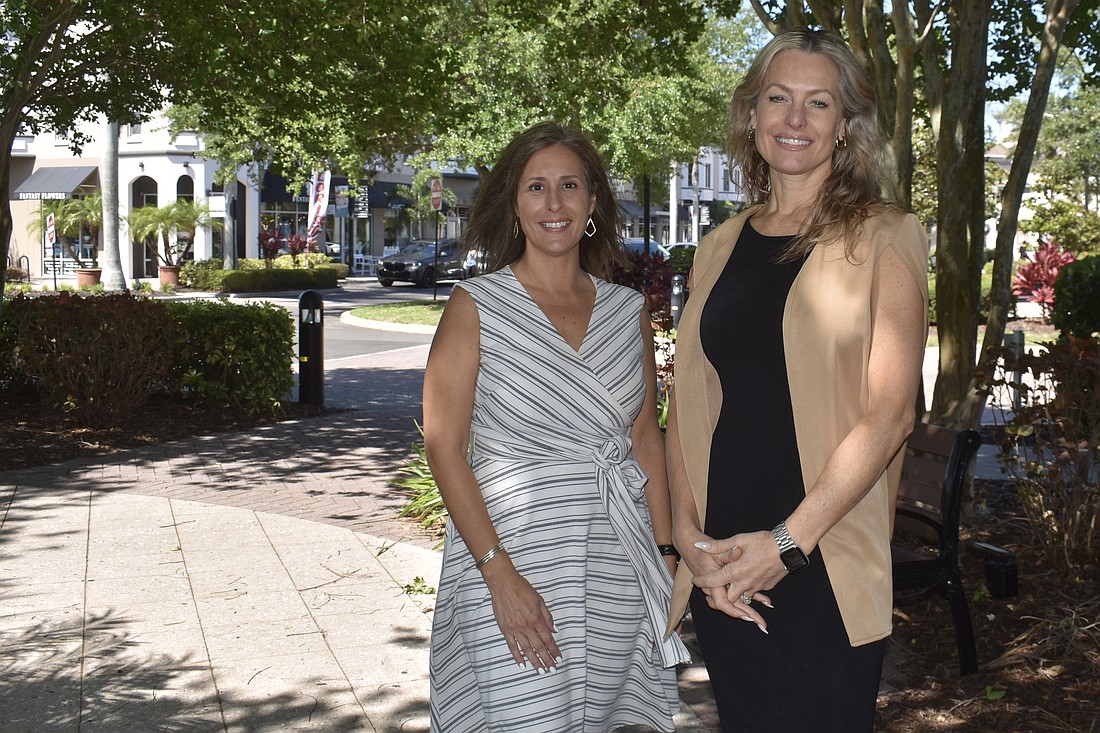
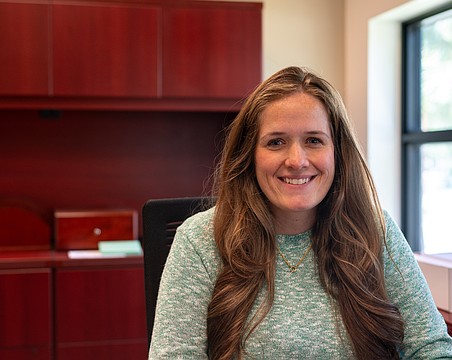
Philanthropy can be thought of as giving back to one's community, but Manatee Community Foundation CEO Veronica Thames has also seen philanthropy bring families closer together and create long-lasting traditions.
Thames told a story about a wealthy, entrepreneurial family of MCF donors. The grandparents wanted to engage their 30 grandchildren in philanthropy, but didn’t know where to start.
They sat down with the team at MCF and came up with a plan to open 30 donor-advised funds — $30,000 for each grandchild ages 5-19.
The family gathered for an initial orientation that explained to the grandchildren what philanthropy is, what a foundation is, and how a person can make a difference in their community.
Now, philanthropy is part of the family’s Thanksgiving tradition. Each year, the grandchildren make proposals to their grandparents on how they want to spend the next year’s gift.
Thames attended the first Thanksgiving. The little ones brought drawings of cats and dogs. One of the kids performed a rap song; another recited a poem about the environment. There were also PowerPoint presentations.
“It was super cool, and it allowed grandma and grandpa to get connected with their grandchildren over something very meaningful,” Thames said. “And mom and dad were grateful because they didn’t have the time, but wanted to impart the value of philanthropy, so it was a big win all around.”
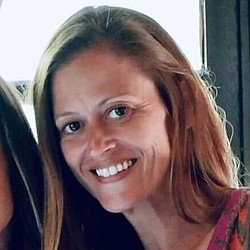
After listening to Thames tell that story, Yolanda Mancha, MCF’s vice president of philanthropy added, “Philanthropy is fun.”
“We always end up talking about the needs — there are a lot of needs; there’s no disputing that,” she said, “But there’s also a lot of pride that comes from investing in the community, and it can be so much fun.”
The pair emphasized that giving is not meant to be transactional. Giving can be creative and often leads to new connections. At its core, it simply makes people feel good about themselves and their community.
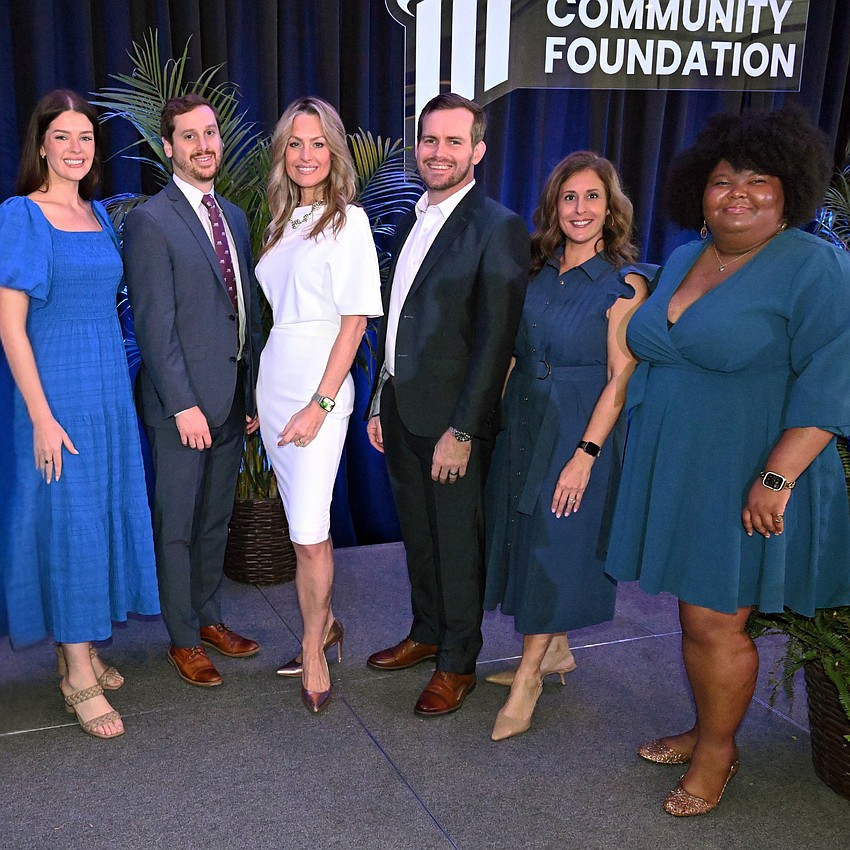
MCF offers a multitude of ways to give. Donors can give to one or more designated nonprofits or simply a field of interest, such as children’s programs or the arts. They can donate to the foundation’s scholarship fund or its unrestricted fund, which allows the staff to determine the community’s greatest needs.
“There is this fallacy that exists where the perception is that if I control exactly where my dollar is spent, I will have a greater impact,” Thames said. “We are seeing the opposite. Sometimes when the dollars are restricted, they’re hard to use.”
Thames recalled one donor-advised fund that was set up to offer a scholarship to a female musician, who lived in a specific zip code, and was seeking an education degree. The focus was so narrow that the staff had to go back to the donor to loosen up the criteria because they simply could not find an applicant.
On the other hand, unrestricted funds are dispersed based on data and trusted nonprofit partners that are known to deliver.
The Giving Gallery is a new initiative that kicked off in January. The gallery can be found on MCF’s website and offers a catalog of potential giving opportunities that will be updated periodically throughout the year. The current listings range from $4,500 to $2.8 million.
Each project includes a description of the request, and donors can give as little or as much as they’d like on the spot.
Mancha noted that the ease of the gallery makes philanthropy accessible. Donors don’t have to set up a fund or make repeated donations to give to a cause they care about.
However, the main advantage of setting up a fund with MCF is to give in perpetuity.
“The ideal scenario is that a person creates a fund with MCF; we invest it, and it continues to grow,” Mancha said. “An endowed gift of $100,000 when we were established (in 1998) is now over $400,000 because it’s stewarded and well invested, and all along it’s been giving.”