- August 5, 2026

-
-
Loading
Loading
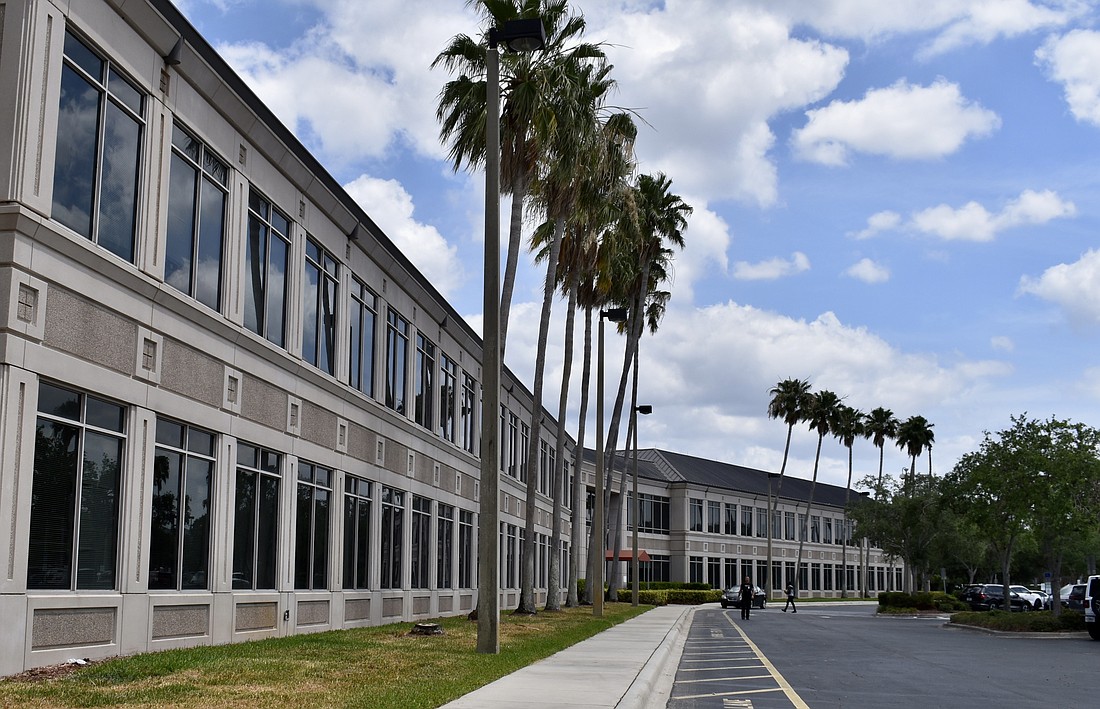
Manatee County Commissioner Bob McCann said the county’s second administration building in Lakewood Ranch is becoming a “money pit.”
During the May 5 commission meeting, McCann voted against a 20-year agreement with Florida Power & Light for a backup generator that will add $52,744, plus taxes, to Manatee County’s FPL bill every month.
“That’s just a lot of expense,” McCann said. "We're spending money like a drunken sailor at a liberty port."
McCann pulled the item off the consent agenda for a discussion. He was outnumbered 5-1 when it came to voting to approve the agreement with FPL.
Cary Knight, director of Property Management, said the diesel generators were at the end of their life when Manatee County purchased the building in September for $23.5 million. However, the county was unaware that the fuel tank was ruptured.
“Why wouldn’t they know that,” McCann questioned.
He noted that perhaps staff members were unaware because the sale happened so quickly. Administrators conducted a site visit Jan. 30, 2025, and the contract was presented to commissioners and subsequently approved May 6, 2025.
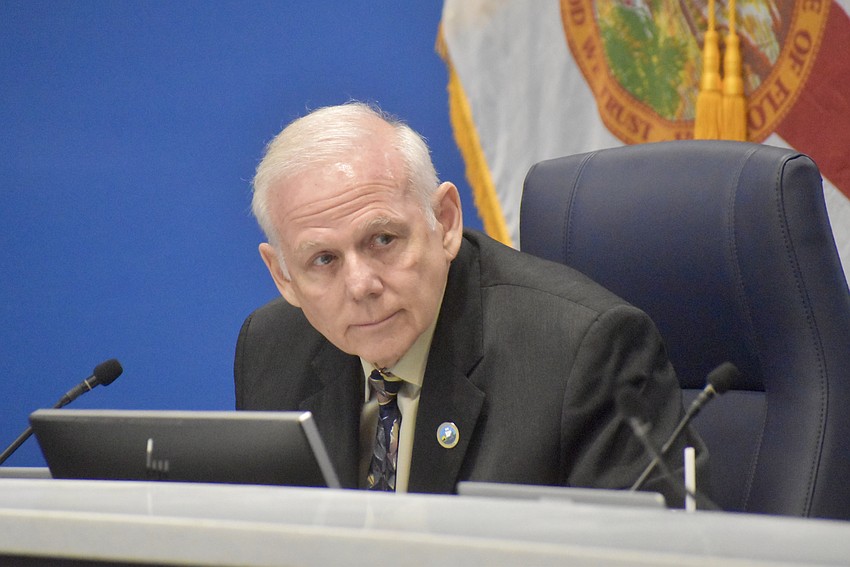
Charles Meador, deputy director for the Property Acquisition Division, said the county conducted a “thorough level of due diligence” prior to the acquisition, but there were some limitations. The Federal Emergency Management Agency was occupying the second floor, which restricted access, and the building is over 100,000 square feet, so it’s a huge lift to “unturn every stone.”
When the county bought the building, $11,332,903 was added into the overall budget to account for renovations and decor.
“When you see additional costs come through, they were accounted for in the original budget,” Commissioner George Kruse said.
However, the monthly expense, which is an annual cost of over $630,000, is being added to the county’s FPL bill. The FPL bill is paid out of the operations budget.
Director of Property Management Cary Knight said some money was allotted in the original budget for work on the generators, but he couldn’t say how much off the top of his head.
Knight also clarified that the inner lining of the fuel tank ruptured, not the outer lining. Fuel never leaked from the tank, but it still can’t be used.
Currently, power to the building is only backed up through a battery system, which was replaced after the acquisition and had been accounted for when estimating the budget.
The building operates on an Automatic Transfer Switch. When the power goes out, the ATS tells the generators to turn on and moves the power from the building to the battery backup. The batteries kick in until the generators are ready to go.
When the power is restored, the ATS powers down the generators and performs a cool down cycle while recharging the battery system.
Knight said the backup generator is crucial because even three days of no power could create a mold issue.
There will be up to 550 people working out of that building after the construction is complete, which is anticipated for January 2027. The county would have to find alternate work locations for those employees.
Security is another issue. Without power, the cameras shut down and there are access issues because employees enter the building using key fobs.
“It’s a very critical thing for us to be able to make sure that this building, in particular with the key functions that are in it, is as robust as possible so we can respond and support our community as quickly as possible,” Knight said.
County Administrator Charlie Bishop said the building will also serve as a pre- and post-storm rallying point for employees who are not stationed inside the Emergency Operations Center. Prior to the acquisition, those rallying points were spread out amongst several buildings throughout the county.
Now that commissioners approved the contract, FPL will start installing temporary generators that are anticipated to be up and running by August.
Knight estimates the partnership with FPL will save Manatee County about 15% over what would’ve been spent without the partnership because the county doesn’t have to hire an engineering firm or perform maintenance.
The contract includes the initial work and ongoing maintenance. Manatee County won’t have to make its first payment until the permanent generators are installed, which is anticipated in late 2027, so the impact won’t hit the county’s budget until fiscal year 2028.
Knight also noted that once the contract expires, the generators are a county asset that should last at least another 10 years.
“This (building) is not a money pit,” Knight said. “Even if we get to the point where over the next 20 years we’re at $450 a square foot, we’re still at 35% of what a new building would cost.”