
- March 12, 2026

-
-
Loading
Loading
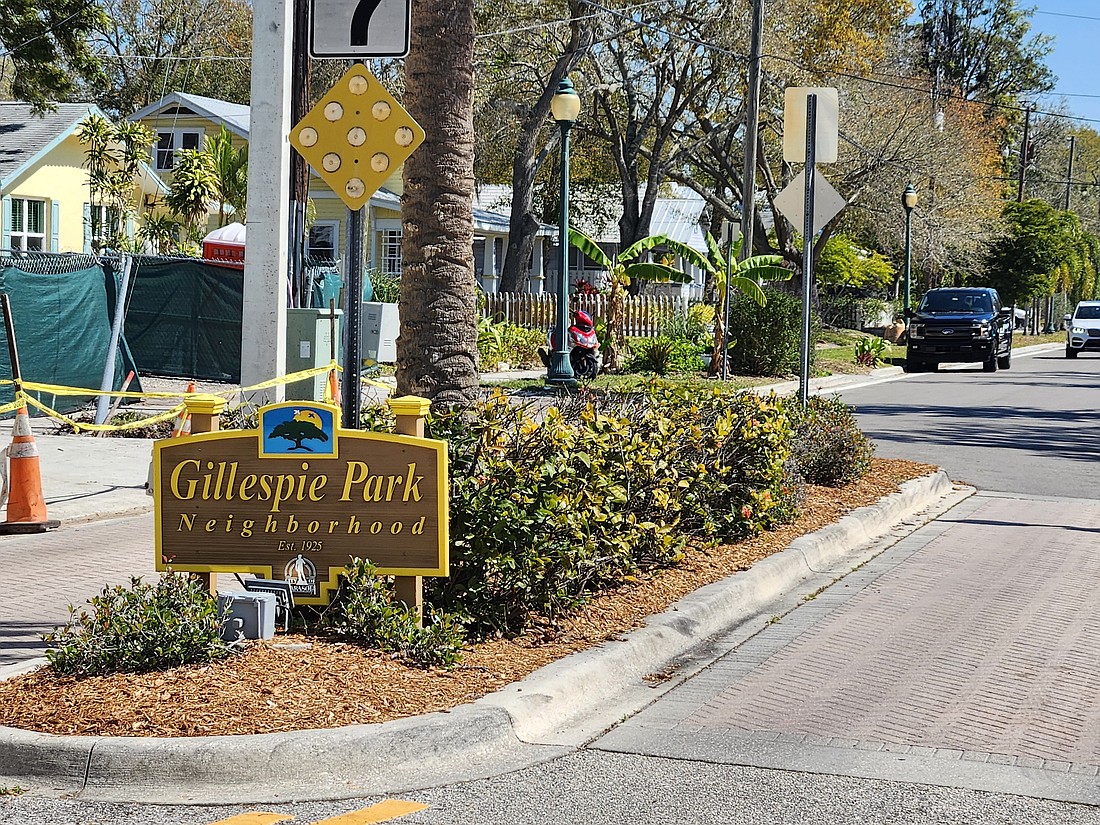
When Sarasota city commissioners approved expanding the city's ordinance governing vacation rentals from the barrier islands to citywide in February 2024, they were under the impression the ordinance included all single-family residential neighborhoods.
Because the ordinance is zone-based rather than applicable to specific neighborhoods, though, the expansion excluded the mixed-use Downtown Neighborhood Zone (DTN), which includes the Gillespie Park and Park East neighborhoods. Property owners in those neighborhoods, as it turns out, were exempt from registering their homes as short-term rentals.
On March 2, the City Commission remedied that omission with unanimous approval to expand the ordinance a second time to include DTN.
Although complaints to the city in those neighborhoods since the expansion have been few and far between — only five have been lodged and all of them regarding stays shorter than the seven-day minimum — the commission on March 2 unanimously approved expanding the ordinance to DTN to prevent future issues from developing.
“DTN allows for mixed uses including limited office, retail and lodging uses, so eligibility may require more parcel specific zoning review,” said Hannah Chabica, the city’s supervisor of vacation rental compliance. “Vacation rental cases are primarily generated by proactive monitoring and enforcement, with most cases involving advertising and operating the property as a vacation rental without the certificate.”
Even with only about 50 known vacation rental units operating within the DTN, Chabica said the expansion of the ordinance may require additional personnel. She currently has a staff of four monitoring vacation rental activity, conducting safety inspections and fielding complaint calls.
That means more cost. Currently, the program’s expenses are outpacing revenue — registration fees, inspection fees, fines for non-compliance, etc. — by approximately $57,000 per year. That left commissioners grappling with the notion of taxpayers citywide bearing the cost of monitoring what is essentially private enterprise.
“While I'm extremely supportive of expanding registration of vacation rentals to DTN, doing it on the backs of taxpayers, while it's actually enabling property owners to make a lot of money, we should be charging them more to finance our enforcement mechanism,” said Mayor Debbie Trice.
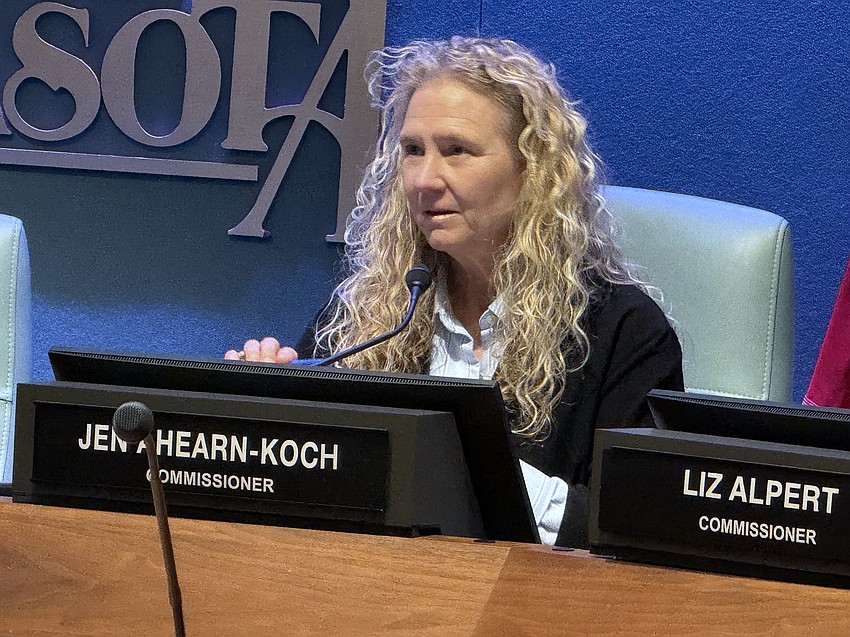
To address those concerns, Commissioner Jen Ahearn-Koch made a five-part motion to expand the vacation rental program to include DTN zone district plus ask staff to look into potential improvements in the program including:
That was enough to pull Commissioner Liz Alpert off the fence, who had suggested rather than expanding the program complaints could be addressed by the city’s code enforcement procedures.
There was no time frame set for staff to return with modification recommendations.
“We're not expecting staff to come back in a month with it ready to go,” said Trice. “Take your time. Get it right.”