- March 5, 2026

-
-
Loading
Loading
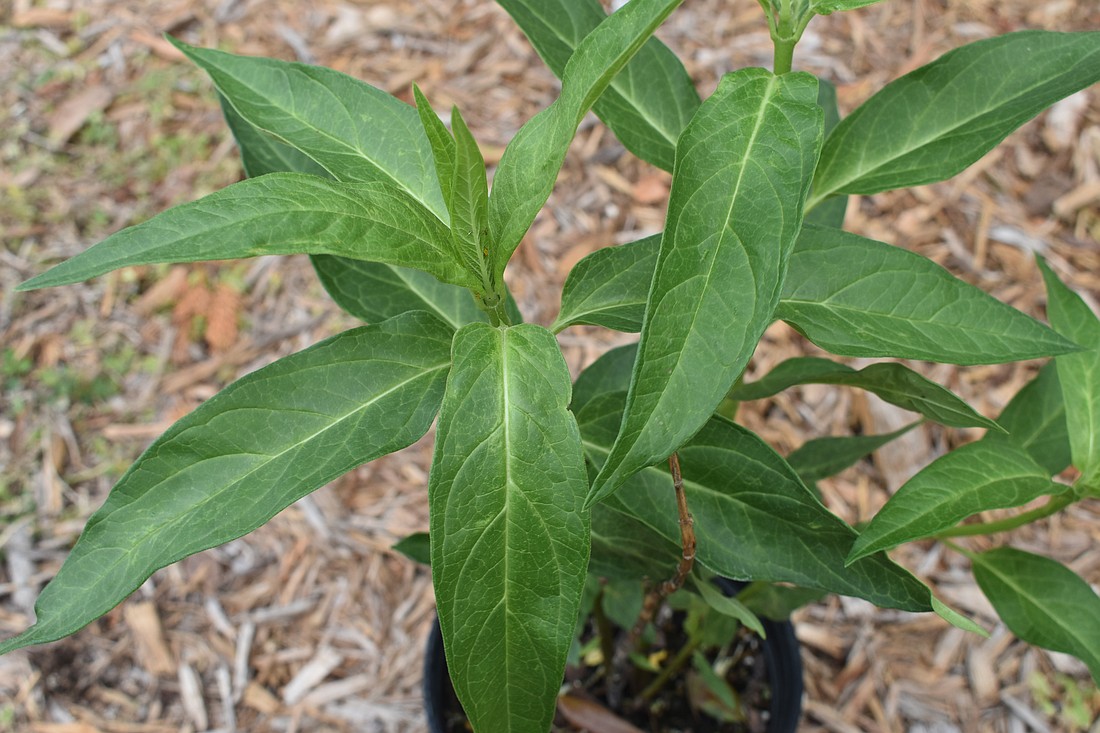
Florida's soil is often sandy, not ideally suited for growing plants.
Nonetheless, the Master Gardener Volunteers at UF/IFAS Extension Sarasota County have been at work growing and caring plants that include native, Florida-friendly species.
The volunteers have increased their offerings of native plants in response to community feedback for the Annual Master Gardener Volunteer Plant Sale on March 7, said volunteer Bennett Balmer.
The benefits of these plants, says Residential Horticulture Agent Ashley Ellis of UF/IFAS, are that they are adapted to the region.
"What I've learned since joining Extension, and a lot of what we teach in the Master Gardener program, is just knowing your plants," she said. "It doesn't mean you're a bad gardener because you can't get something to grow. It's probably because you just don't know what the best plant is to grow here."
She says these plants require less water and chemicals, don't require fertilizers, and support native wildlife, including insects, that have co-evolved with them.
Here are a few plants to test your knowledge.
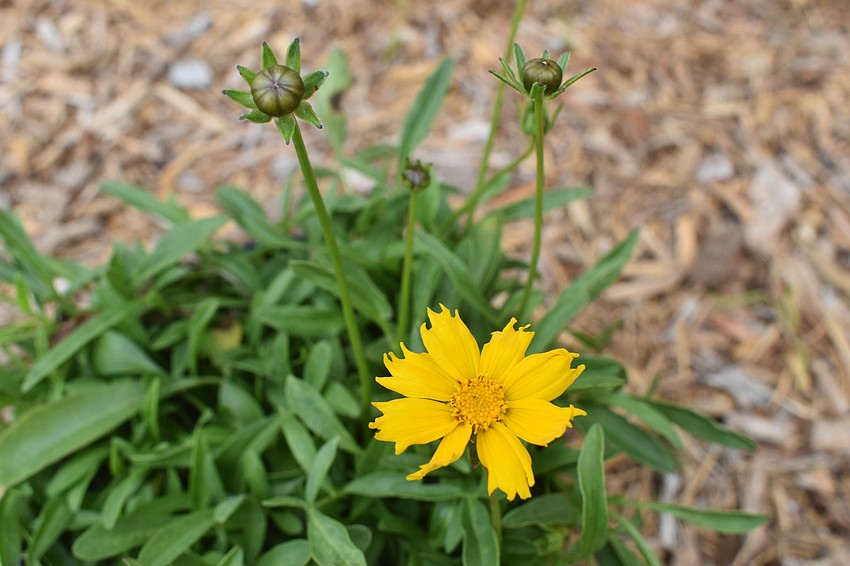
The common name for coreopsis, the state wildflower, is tickseed, due to the small seeds that resemble ticks. Lance-leaf coreopsis is one species in that family.
Ellis says this plant is well-suited to moist areas and can be grown in a container with little or no drainage. She also says it is an excellent pollinator plant, noting that it re-seeds.
“We try to encourage that in gardens, getting native plants that produce their own seeds so that you don't have to keep going and buying more,” she said.
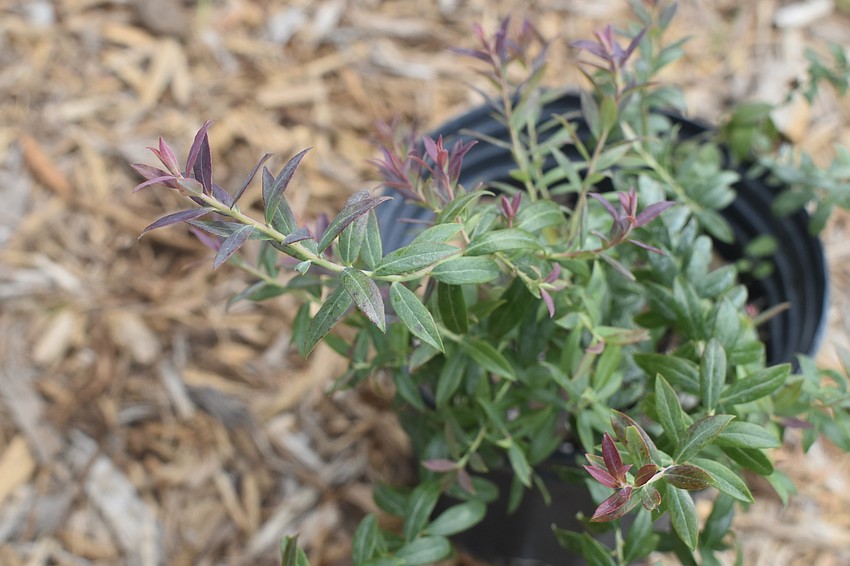
Ellis says being from Maine originally, she was excited to find out that blueberries can be grown in Sarasota.
Darrow's blueberry is an edible blueberry variety, but also an ornamental plant as well, producing burgundy tips on its leaves and white, bell-shaped flowers.
Ellis says as the plants often grow in scrub environments and prefers more acidic soils, some amending to soils may be needed. This may take the form of applying elemental sulfur, or using native pine straw that will break down on the landscape.
She notes that gardeners need more than one plant for cross-pollination to occur, so the fruit can be produced.
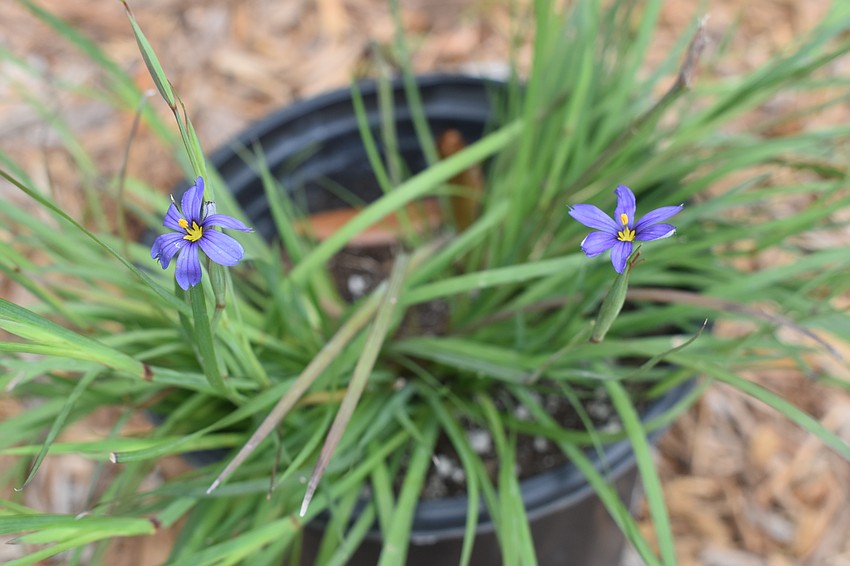
Not a true grass, the blue eyed grass is a member of the iris family. However, Ellis says you may already have it growing in your landscape.
Its flowers tend to open up in the morning and close in the afternoon, while also opening in spring and going dormant in winter, she says.
"It's one of those plants that just pop up in my yard, and then I start to see these little flowers, and I get really excited that we're getting out of this colder weather, getting into a warmer season,” she said.
She says these plants require moderate soil moisture, and gardeners can get away with little irrigation.
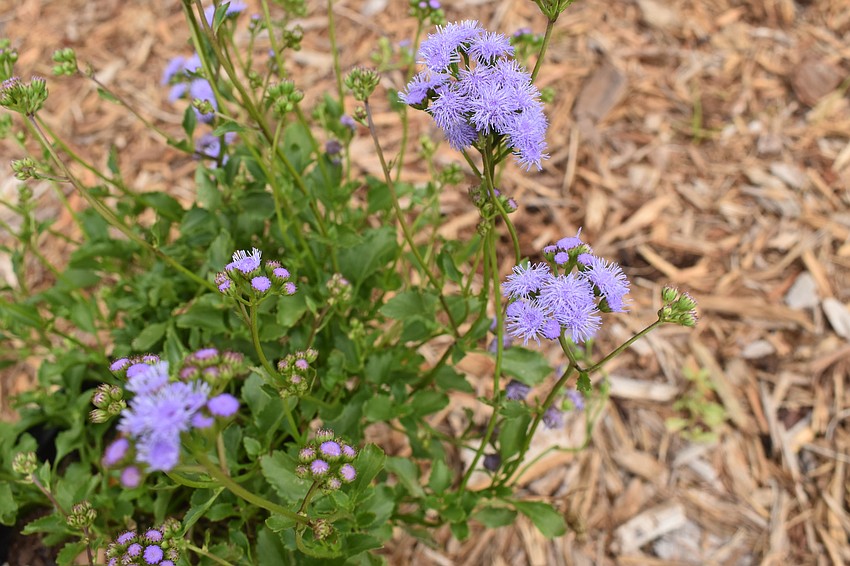
This plant native to Florida's coastal habitats is an excellent pollinator plant, Ellis says, and can be used as a border in landscapes.
She notes the plant also re-seeds on its own, which allows it to fill out a landscape space, and flowers year-round.
“When a lot of other plants aren't flowering in the winter, this is one that's usually in flower,” she said.
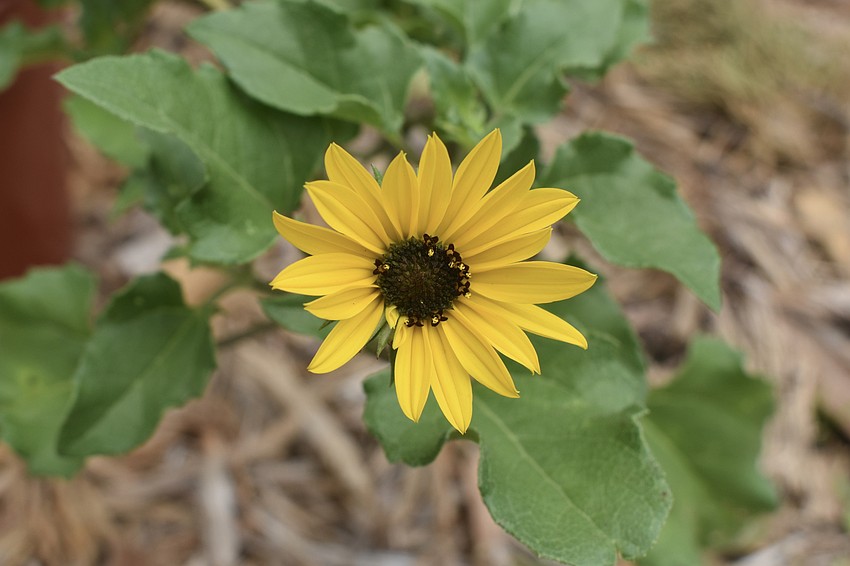
As you head out to local beaches, this sunflower variety can be found growing naturally in dune areas.
The flower is highly tolerant of drought, growing quickly in locations that include sand and acidic, low-nutrient soils.
The plant re-seeds, notes Ellis, stating it can be used as a ground cover or a border plant.
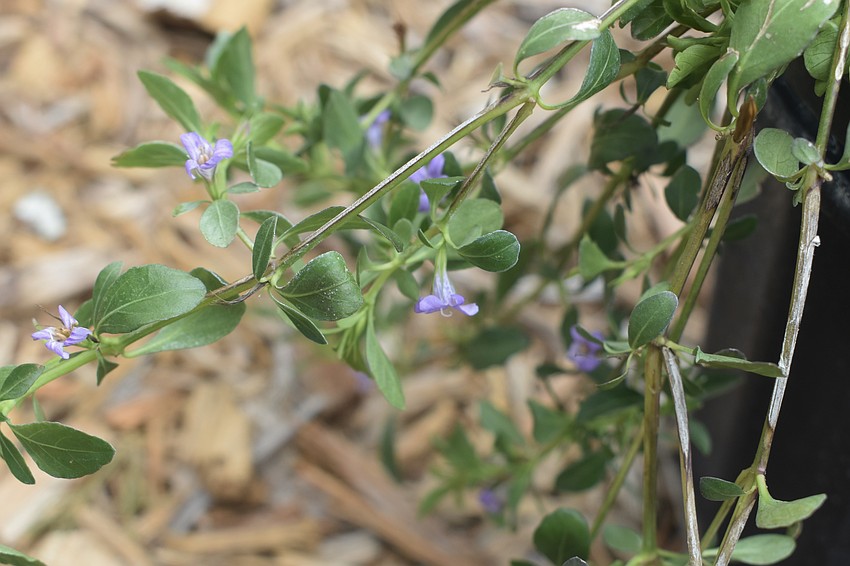
Although this plant has "swamp" in its name, it is drought tolerant, notes Ellis.
Occurring naturally along forested wetlands, it requires moderate moisture. Ellis says the creeping plant can be used as a ground cover, while some people may have it growing in their landscapes.
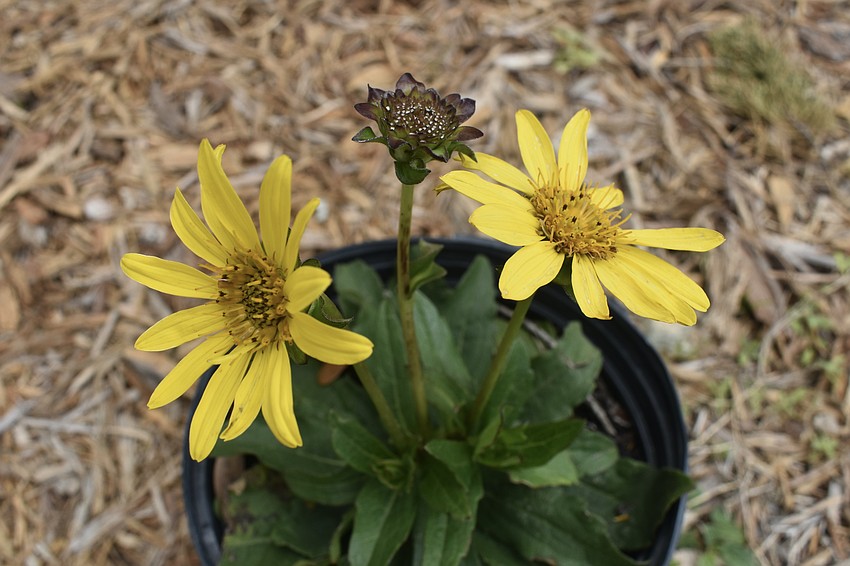
With its sunflower-like blooms, this native plant is adaptable to different environments, preferring dry to medium moisture soils.
It has basal rosette foliage, which is a ground-hugging arrangement of leaves that radiates from the base, it often reaches around two feet in height, Ellis says, noting it is also a re-seeding plant.
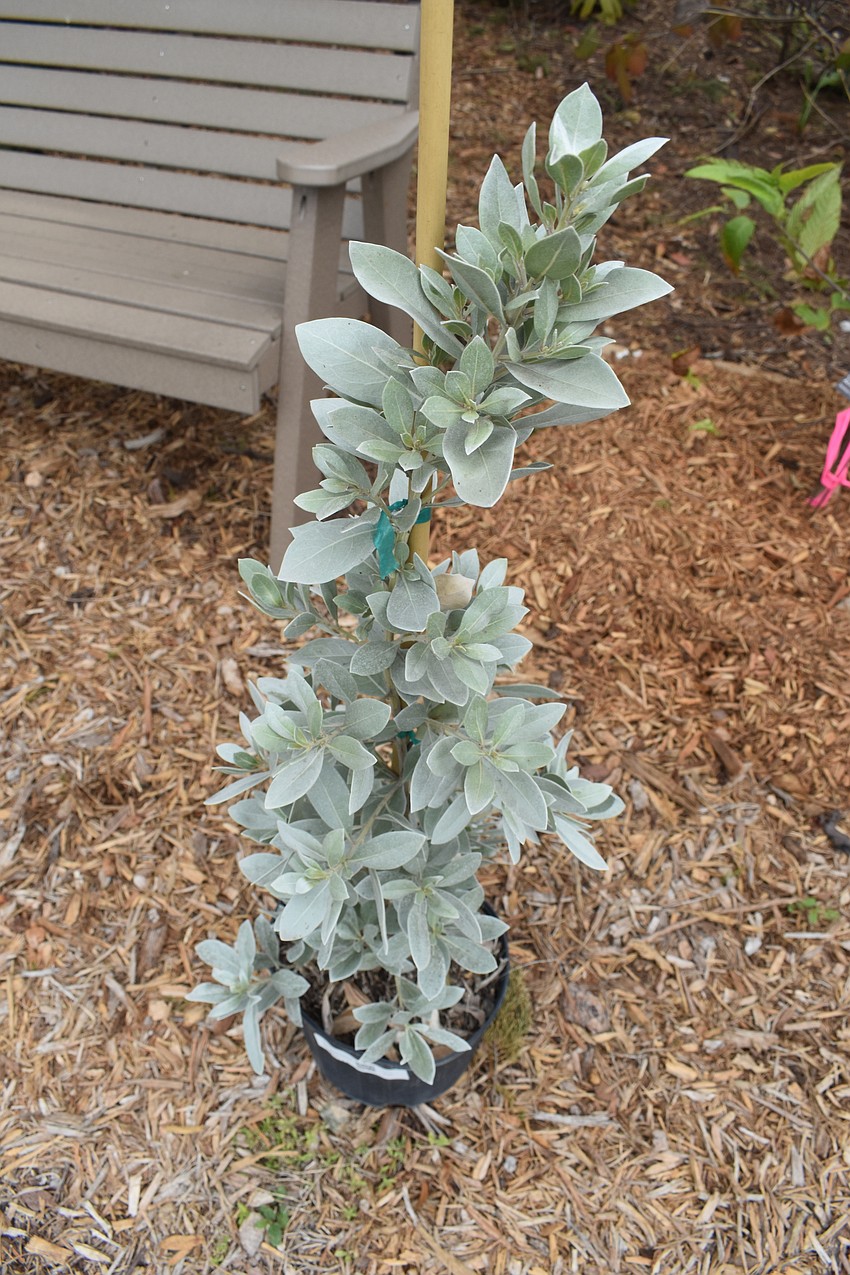
One indicator that a plant is well-suited to coastal areas is foliage that appears silver. The silver color is actually a series of fine hairs that help the plant to retain its moisture.
This small to medium-sized trees, with soft leaves, can serve as a bush as well.
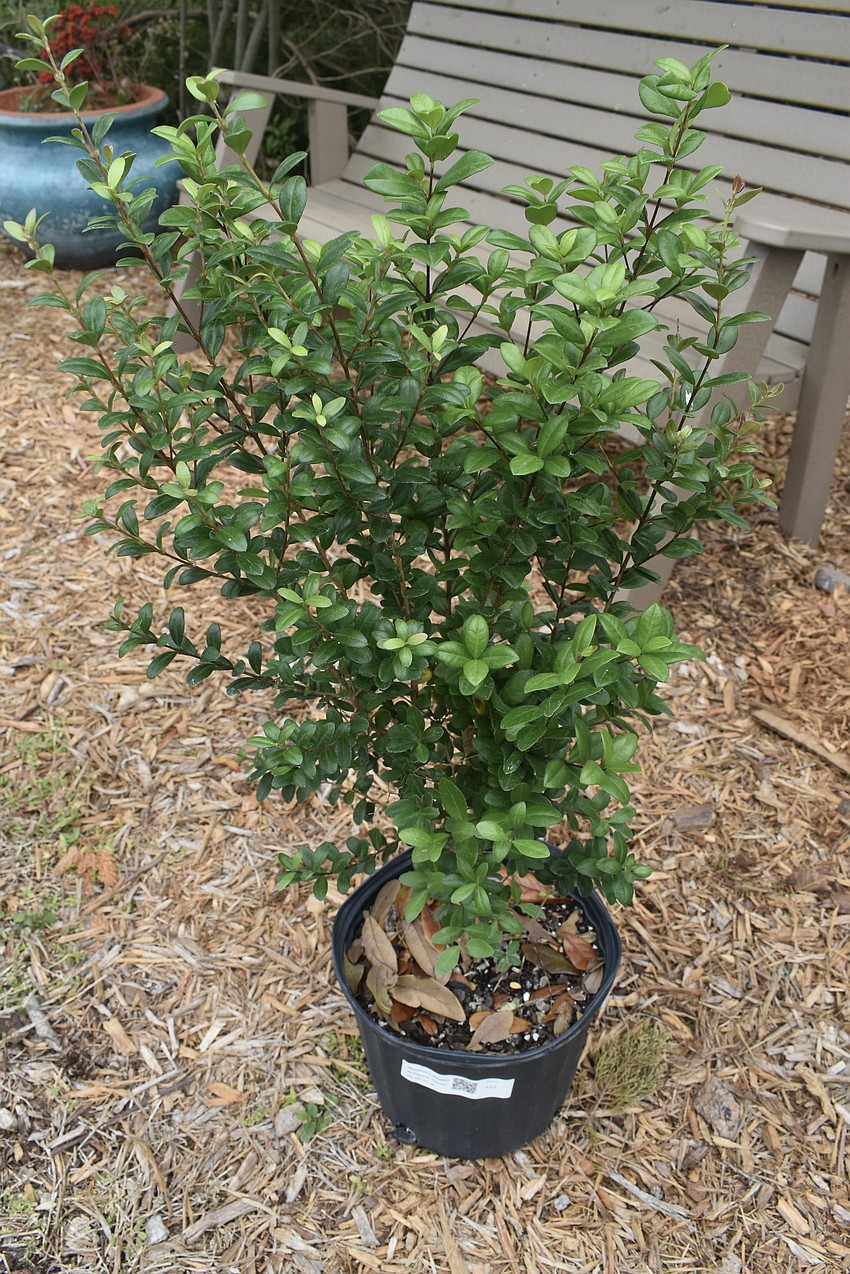
This plant produces small berries edible to people, however, it's also excellent for attracting birds and pollinators, Ellis says.
“It doesn’t look like much right now, but it’s a beautiful small tree or shrub, and in the spring, it'll start putting out these beautiful little white flowers, highly fragrant,” she said.