- March 4, 2026

-
-
Loading
Loading
With a preliminary estimate of over $3 billion in losses, Florida Commissioner of Agriculture Wilton Simpson said in a press release that the cold snap during the first week of February was “one of the most damaging freeze events for Florida agriculture in history.”
It’s the kind of cold that keeps Nancy Damico watching the weather every minute.
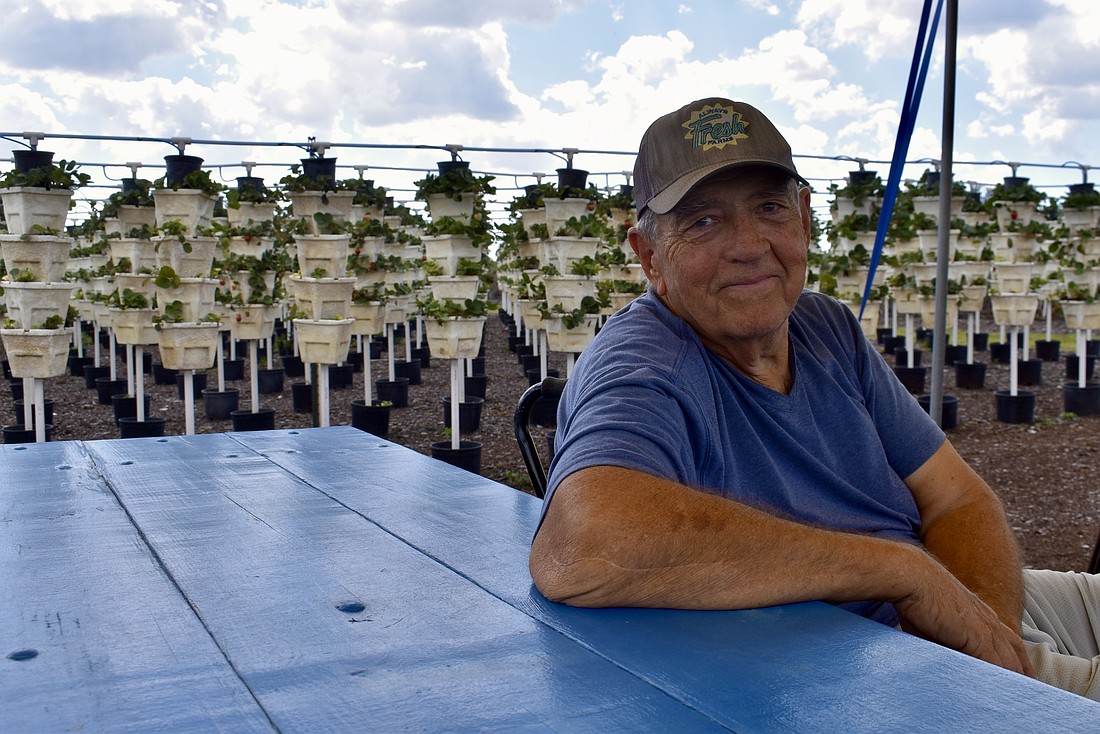
Damico and Doug Melcher own BellaBlue Berry Farm and Winery in Myakka City, a 5-acre blueberry and strawberry farm.
“It was uncharted territory,” Melcher said. “We’ve had 30 degrees, maybe 29 out here — never 22 degrees.”
The berries are sold commercially to Always Fresh Family Farms and to the community by way of U-pick, which will begin over the next few weeks. Damico and Melcher make fruit wine, slushies and jam with whatever berries are left over.
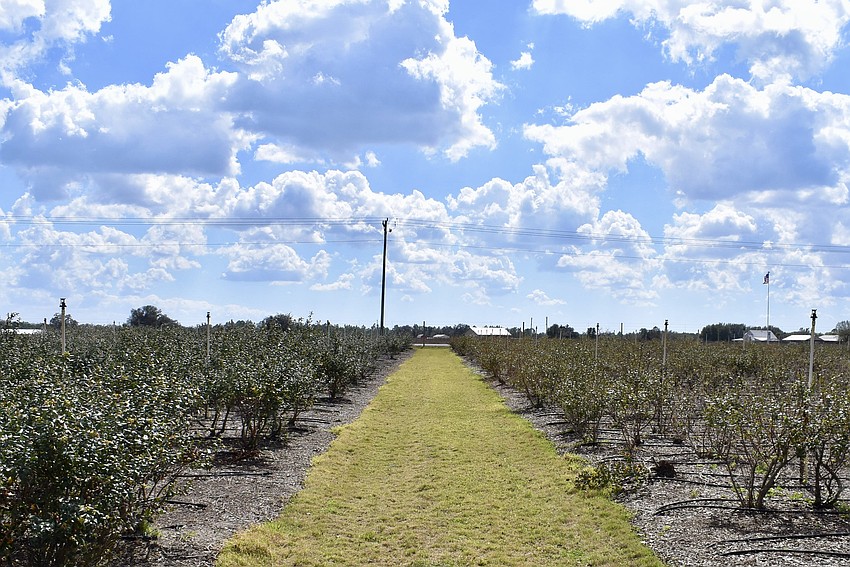
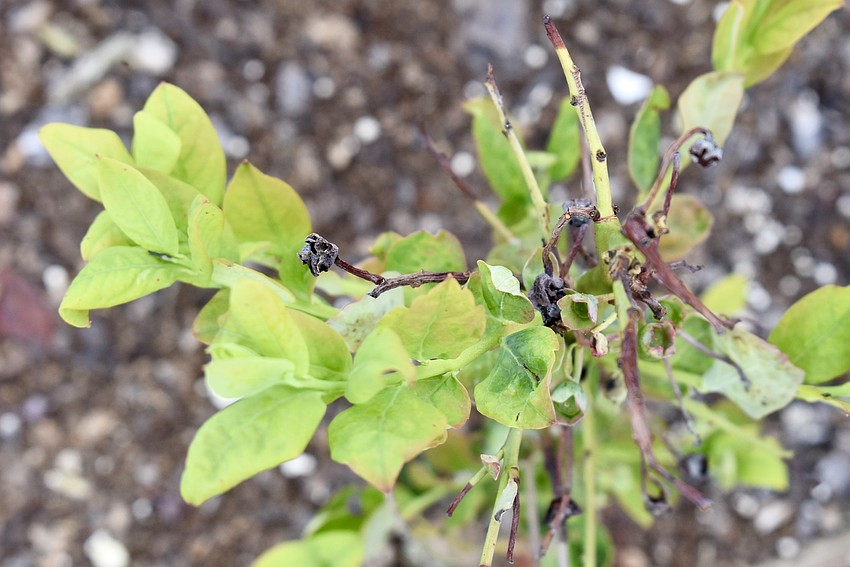
BellaBlue Berry Farm and Winery fared well throughout the cold weather, but it took a lot of work, water and diesel fuel.
The farm’s injection well runs on a diesel engine. In order to protect the approximately 25,000 plants, they had to water them to form an “ice wall.” If the plants are covered in an insulating ice shell, then they won’t get colder than 32 degrees.
But creating an insulating ice shell is a dance that must be done after considering factors such as wind, dew point, humidity and growth stages. From a bud to a berry, the tolerance for low temperatures varies.
“You have to look at your entire farm and then make a decision as to where you’re most vulnerable,” Damico said. “You hope to hit the sweet spot because it costs a lot of money to run a diesel engine for 12 to 18 hours, and you’re flooding the place with water.”
Too much water can cause problems. The weight of the ice can break branches and topple the plants onto their sides. There were several stakes around the farm, propping plants back up after the ice melted.
BellaBlue lost some fruit, but not many plants. Damico and Melcher said they’ve experienced much greater losses from hurricanes.
Heritage Bee Farm had a similar experience — more planning, less honey, but no major losses.
In the case of busy bees, they take on a lot of the load. The temperature inside of a bee hive stays steady in the 90s, regardless of outside temperatures.
Owner Chris Vasquez said the bees cluster and become slightly immobile when the temperature drops. They cluster around the queen to protect the young larva and eggs, which are more susceptible to the cold.
The PBS documentary series Nova likens the process to revving an engine in neutral. They’re “exercising their flight wings” — not flapping their wings, but making them vibrate. The bees also gather plant resins and natural plant gums to seal up any openings in the hive.
Vasquez’s biggest concern for his bees was their food supply. When the weather is cold, the bees can’t leave the hive for nectar. If the hive is low on food when the weather turns cold, the bees can starve.
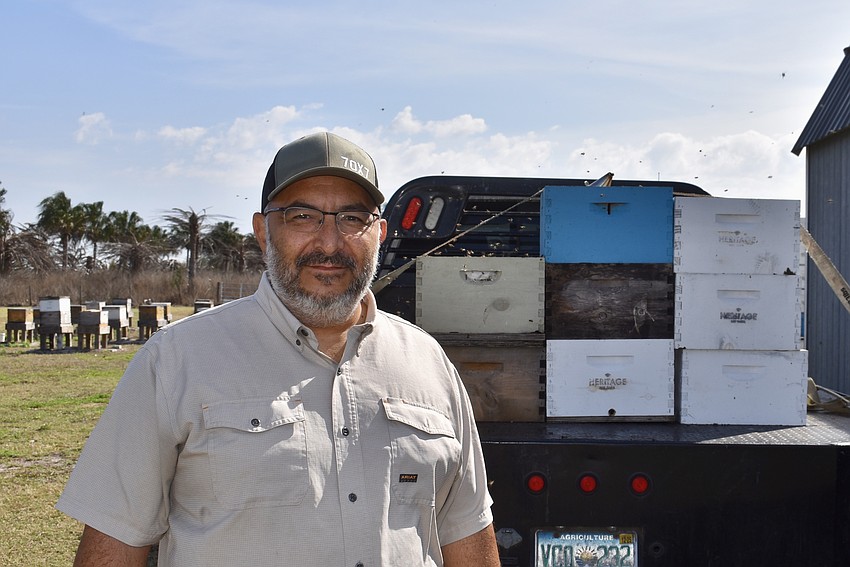
“They didn’t create the honey for us,” Vasquez said. “They create it for themselves and store it up for that time when they can’t go out and fly. They’re more dormant whenever there’s a dearth (of food) in the area.”
Vasquez said it’s important not to pull too much honey from the hives during those times. Another way to manage the food supply is to supplement the hives with a sugar syrup water.
While the freeze passed, Vasquez is still monitoring his hives regularly because of the effect the cold had on the surrounding plants. He said there’s plenty of pollen around but not a lot of nectar.
“Anything that might have been blooming in the area for the bees died,” Vasquez said, “So it’s a matter of waiting for the new blooms to come forth.”