
-
-
Loading
Loading
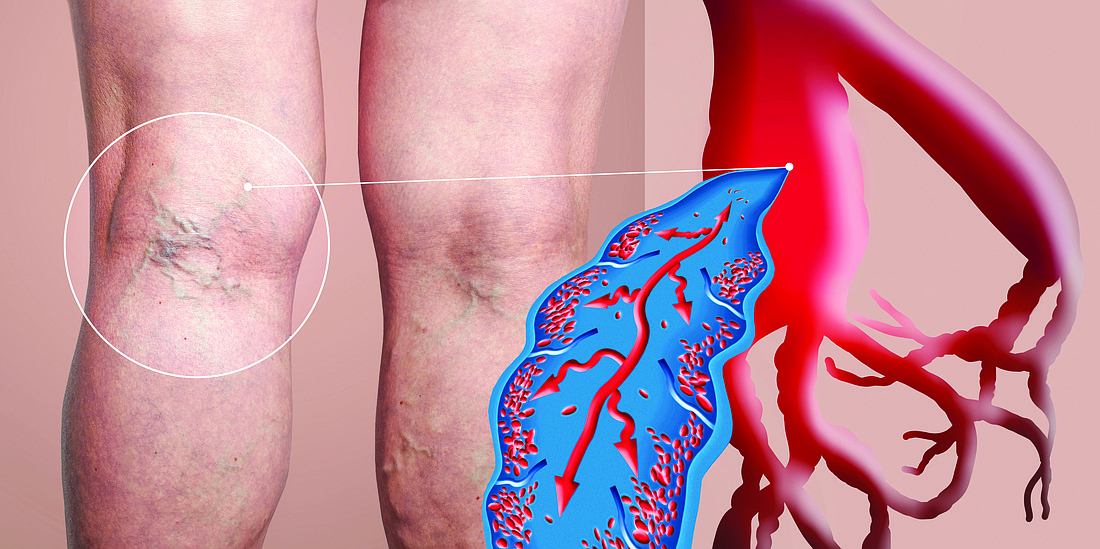
Do your legs ache or your ankles swell after a long day? Perhaps you've noticed a few spider veins or bulging varicose veins and assumed they were simply cosmetic. While it's tempting to dismiss these changes as part of getting older, they could actually be early signs of chronic venous insufficiency (CVI), a progressive disease that does not improve on its own.
CVI progresses at an average rate of about 4 percent per year, according to the vein specialists at Florida Lakes Vein Center (FLVC) in Lakewood Ranch. They explain that what often begins with heavy, tired legs and end-of-day swelling can gradually advance to skin discoloration as pooled blood leaks into the surrounding tissue. In its later stages, painful venous ulcers may develop around the ankles, significantly affecting mobility and quality of life.
The signs of CVI often start with spider veins, followed by larger blue veins that become raised and rope-like. Other symptoms include itching, restless legs, swelling and a persistent feeling of fullness. While compression socks and leg elevation may provide temporary relief, FLVC specialists explain that they are only stopgap measures, and don’t address the underlying disease.
Unfortunately, delaying treatment could have lasting consequences. FLVC has treated patients whose skin discoloration became permanent. Other patients’ enlarged veins became so fragile they ruptured during routine activities such as shaving.
Affecting both men and women, CVI risk factors include prolonged sitting or standing, obesity, family history and hormonal changes. FLVC specialists advise that when heart-related causes have been ruled out and swelling regularly occurs at the end of the day, vein disease is often the culprit.
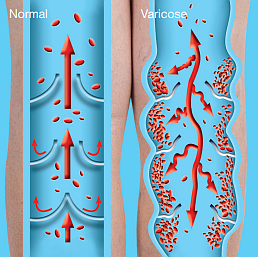
Early intervention is the key to preventing complications while preserving comfort, mobility and confidence. That’s why Florida Lakes Vein Center offers free vein screenings using ultrasound technology to detect venous reflux, which is the backward flow of blood caused by damaged vein valves.
If reflux is identified, a more comprehensive ultrasound will help determine the most appropriate treatment plan. Modern options, including minimally invasive procedures such as VenaSeal™ and Varithena®, have allowed many FLVC patients to return quickly to the activities they enjoy.
The takeaway, says FLVC specialists, is simple: Don’t wait until symptoms become impossible to ignore. Identifying chronic venous insufficiency early could help stop its progression before it changes your legs—and your life.
Call 941-866-8989, or visit FloridaLakesVeinCenter.com, to learn more and schedule a free vein screening today!