- July 9, 2026

-
-
Loading
Loading
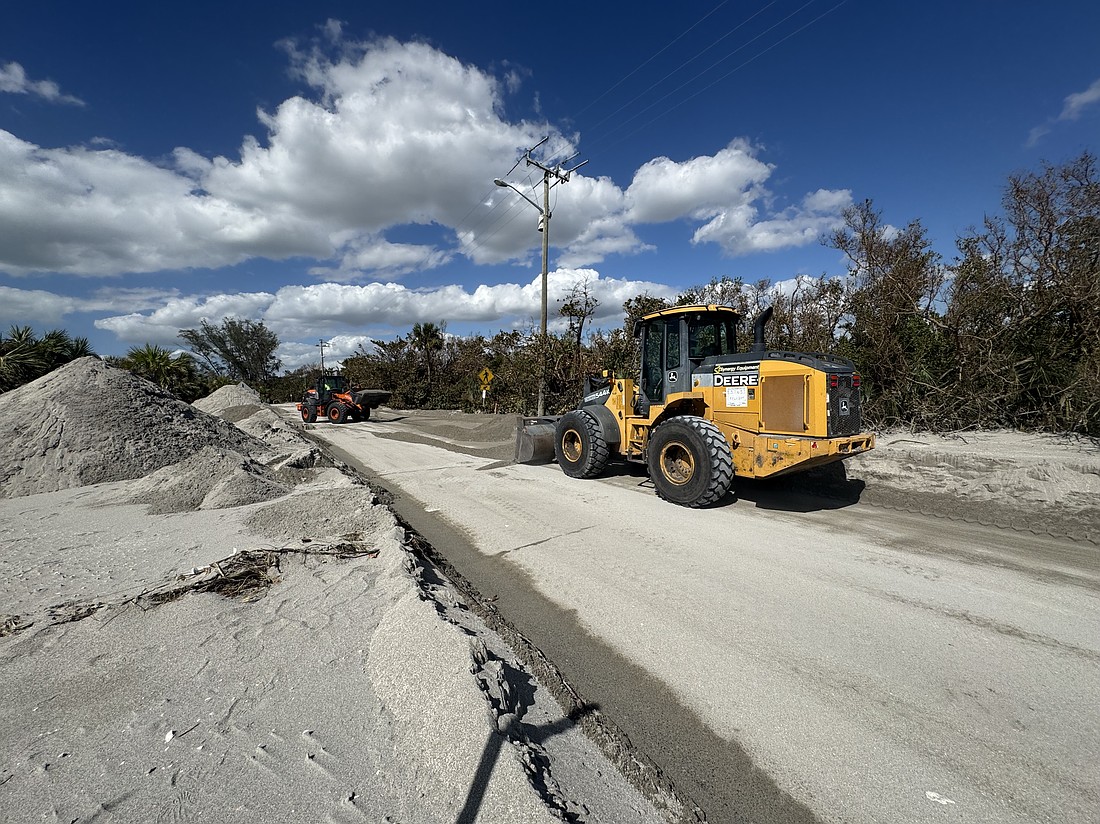
In 2016, Hurricane Hermine made the first Florida landfall in the Big Bend area since Hurricane Wilma 11 years earlier. It wasn’t a direct hit on the peninsula, it travelled up the center of the Gulf, but its impact left just more than $7 million in damage for Sarasota County government to address.
A decade later, the county is waiting for $3.38 million in reimbursements from FEMA and the Florida Department of Emergency Management (FDEM).
And that’s just the start. Since Hermine, there were seven declared disasters in Sarasota County — including COVID — racking up a total of $352 million in needed expenditures and an outstanding balance of FEMA recovery funds of $268.5 million, a number that includes reimbursements in hand and outstanding requests. Five of those declared disasters occurred within a span of 25 months.
Hurricane Milton alone left 140 identified recovery projects at an estimated cost of $152 million, 43% of the total.
Not all of that has been spent. The total represents actual expenditures and open encumbrances and, according to county documents, not all of the projects to repair county facilities and amenities has even been tallied.
The Sarasota County Commission received that update from Office of Financial Management Director Kim Radtke during its mid-June, two-day budget session, accompanied by a request to adopt an amendment to the current fiscal year budget to appropriate funding for disaster-related projects, of just less than $91.8 million. It's more than their presumed obligation, but the county is required to budget additional funds.
That request was unanimously approved.
The formula for disaster recovery is typically 75% from FEMA, 12.5% from FDEM and the remaining 12.5% from county funds. That leaves the county on the hook for a minimum of just more than $44 million, potentially much more pending actual FEMA reimbursements.
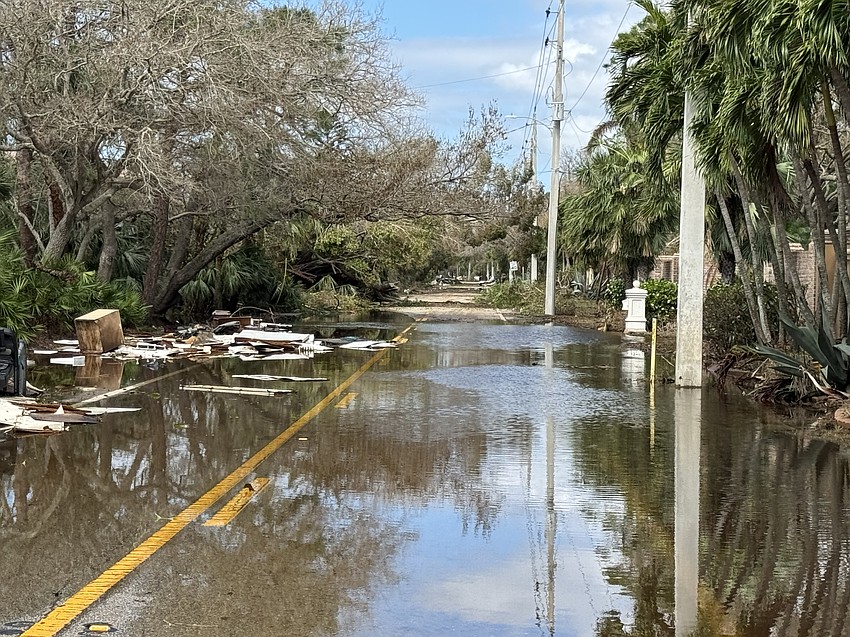
County administration warned commissioners since the 2024 hurricane season there is no guarantee of the amount of disaster relief coming their way. This is now set against the backdrop of a possible loss of $87 million in property tax revenue should Florida voters approve a tax reform referendum this fall, prompting the commission to reverse course on spending growth since the brief post-pandemic fiscal high of 2022 to 2025.
“Currently, how we handle this is we have an account code set up (for disaster recovery costs) and we're tracking the expenses, but we don't currently have an appropriation or an adopted budget tied to that,” Radtke told commissioners.
Hence the budget amendment, which was unanimously approved.
Lagging FEMA relief leaves local governments in a precarious position of deciding whether to move ahead with recovery projects prior to the agency’s commitment to reimburse.
Moving ahead with projects prior to receiving FEMA endorsement can void any chance of payment from the federal agency.
“We really started asking the question, ‘Do you start repairs prior to that FEMA obligation?’” Radtke told commissioners. “Counties like Manatee and the city of Sarasota and town of Longboat Key do complete (projects) if it's life safety. Some other projects do wait until obligation. Then we asked, ‘Do you budget for those related expenditures?’ Most do budget, we don't currently. Again, that's why we're here today.”
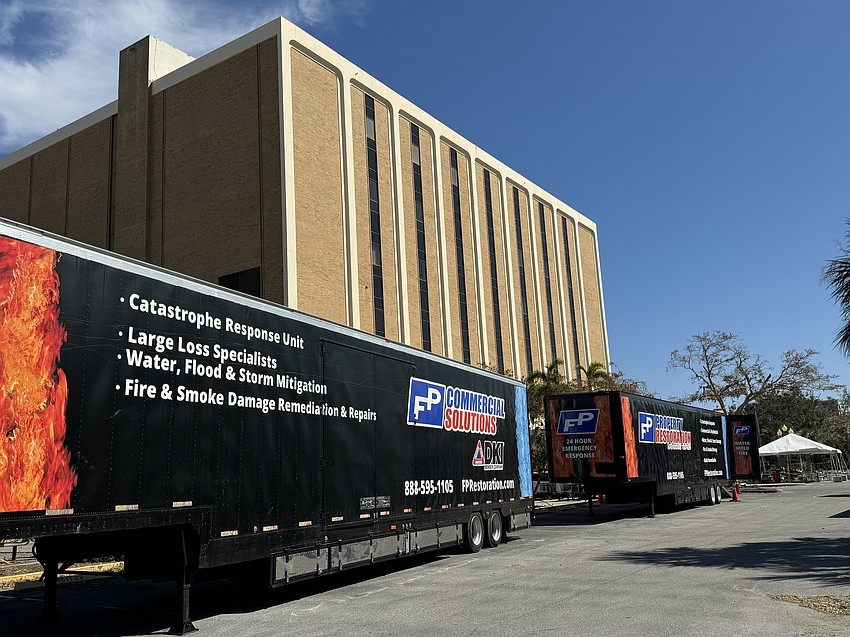
A typical FEMA timeline is up to three years for FEMA reviews. Once committed, the project goes before FDEM for its scrutiny, which takes up to another three to six months.
“Then another 1-12 months potentially before we actually receive those payments, so you're talking two to five years,” Radtke said. “We know we're still waiting on Hermine, which was 10 years ago.”
There are financial risks to moving ahead with repair projects prior to FEMA review and commitment to covering what historically has been 75% of the costs, leaving the remainder to state and local governments. The city of Sarasota, for example, pulled funds from planned capital improvement projects to address cleanup and limited repair operations from the 2024 storms. However, former Interim City Manager Dave Bullock told the City Commission in February he put a pause on multiple waterfront park repairs costing upwards of $10.2 million because of FEMA reimbursement uncertainty during a partial federal government shutdown.
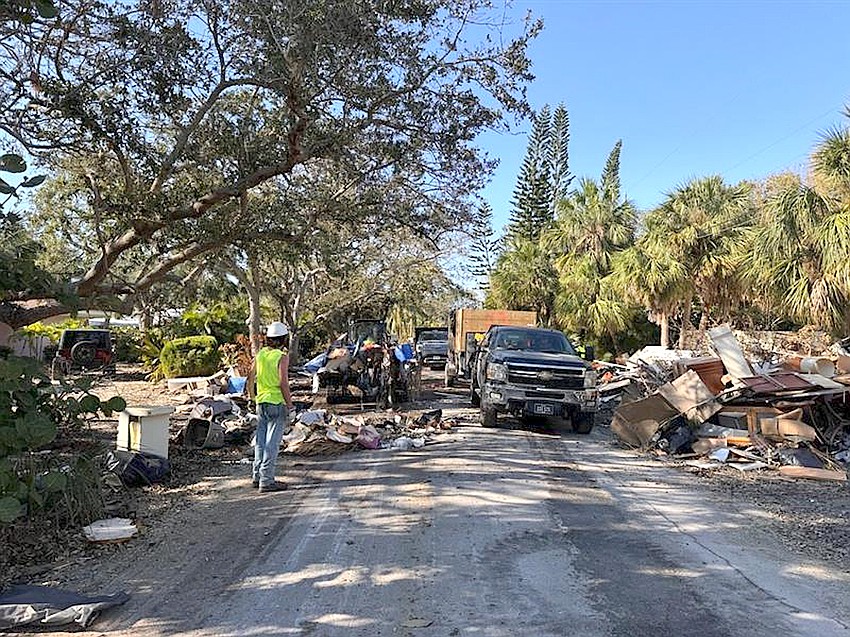
Financial risks of completing work before FEMA obligation include:
The commission’s approval permits Radtke’s office to establish an account into which the county’s $12.5% obligation can be transferred from relevant departmental budgets and then drawn down to pay for storm-related repairs and resilience projects.
“We're recommending that approval of a budget amendment for the projects that are currently in process. This will allow us the budget authority to issue contracts, purchase orders and allow us to post those expenditures,” Radtke said. “The county’s share of that provides for good fiscal planning and transparency within our funds.”
Commissioner Mark Smith, seconding Tom Knight's motion to approve, added, “I also have a question. Where is this $91 million coming from?”
The answer is a variety of sources.
“To further clarify that, if it's a stormwater project, it comes from stormwater, but if it’s a lift station for utilities, that 12.5% will come from utilities, and so on and so forth,” County Administrator Jonathan Lewis said.
How FEMA/FDEM is actually workingCosts vs. reimbursements for declared disasters since 2016. FDEM is Florida Department of Emergency Management. Outstanding to receive includes funds the county is waiting on from FEMA/FDEM, as well as FEMA commitments for projected projects. | |||||
| Costs to date | Est. FEMA/ FDEM to receive | Sarasota County portion | Total FEMA/ FDEM received | Still to receive | |
| 2016: H. Hermine | $7.05M | $6.17M | $0.88M | $3.67M | $3.38M |
| 2017: H. Irma | $10.69M | $9.36M | $1.34M | $7.1M | $3.59M |
| 2020: COVID | $9.74M | $8.53M | $1.22M | $7.69M | $2.05M |
| 2022: H. Ian | $93.94M | $82.2M | $11.74M | $25.66M | $68.28M |
| 2023: H. Idalia | $6.04M | $5.29M | $0.76M | $2.51M | $3.53M |
| 2024: T.S. Debby | $54.59M | $47.76M | $6.82M | $0.71M | $53.87M |
| 2024: H. Helene | $17.59M | $15.39M | $2.2M | $1.7M | $17.58M |
| 2024: H. Milton | $152.41M | $133.36M | $19.05M | $36.19M | $116.22M |
| Total | $352M | $308M | $44M | $84M | $269M |