- March 10, 2026

-
-
Loading
Loading
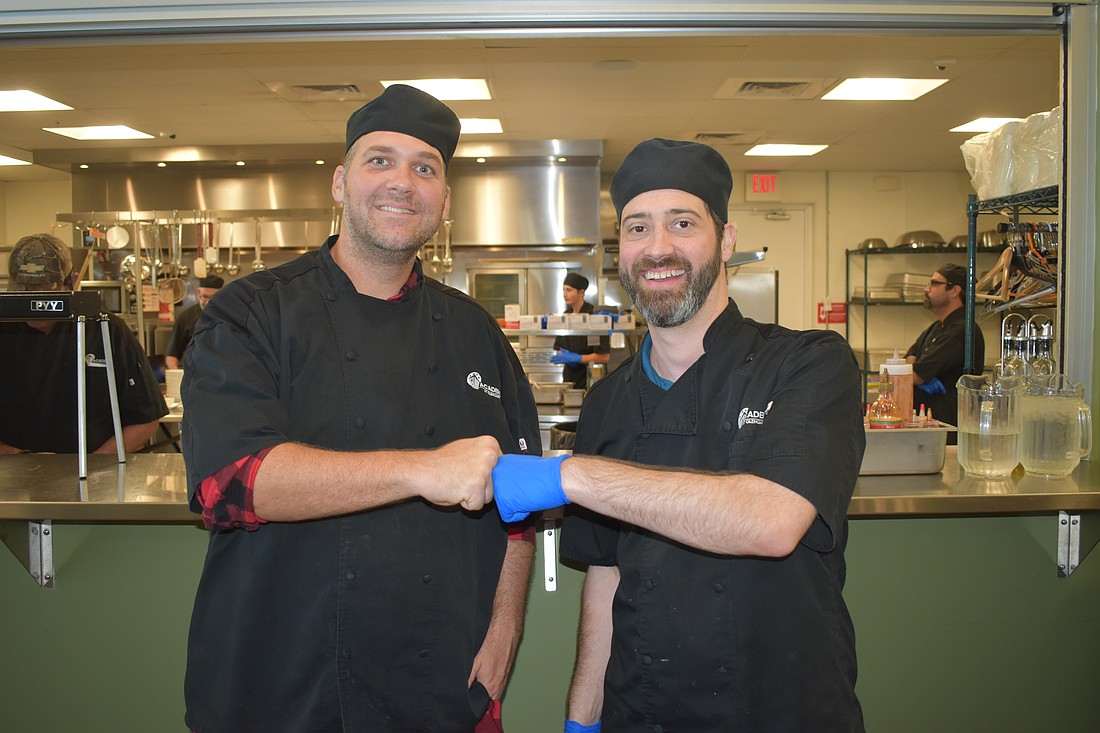
Joan Geyer says she's visited clubhouses for mental health around the country. In many places, she says, members aren't permitted to work in the kitchens.
That isn't the case at the Academy at Glengary in Sarasota, where she serves as trustee emeritus on the board of directors.
At the academy, planning the menu, then preparing it and serving it to guests, is a process many members know thoroughly.
As in a real restaurant, guests will offer tickets, and kitchen personnel will prepare each order, expediting it to someone else who will serve it to guests in the dining area.
Those are some of the skills that members have the opportunity to practice, amid offerings that also include learning business and technology, and graphic design and multimedia.
As the 501(c)(3) nonprofit is a vocational training facility, members don't have to know any skills when they arrive.
However, chef instructor Benjamin Burnside says members have ended up working at locations that include Tripletail Seafood & Spirits, Gecko's Grill & Pub and Grillsmith Sarasota.
He also notes that at the academy, unlike with many restaurants, not a single case of food poisoning has ever taken place.
“I'm the only staff here on this side of the building, and I can't do everything by myself, so we rely on members, and that's on purpose," he said.
Member Brent Jephson, a part of the kitchen team, says that he finds the experience meaningful as he works towards a better future.
"I feel like I have a sense of purpose by helping out here, but in an actual nine to five job, I struggle to keep up with the pace and the interactions that go on," he said. "They're just a little too much for me."
The organization's model is the clubhouse model inspired by Fountain House, which was founded in the 1940s in Manhattan and is still in operation today, and it is an accredited program of Clubhouse International.
Academy at Glengary has existed in Sarasota for eight and a half years, and accepts patients referred from Cornell Behavioral Health Pavilion at Sarasota Memorial Hospital.
It also opened an additional location in Bradenton in 2024, after operating out of a leased property for two years. That location takes patients from Centerstone Behavioral Hospital and Addiction Center.
Others can also apply to join the clubhouses.
Director William McKeever says in the world of mental health, there is often crisis care, but no next step to help people get back into society.
He says in the absence of that step, people isolate back at home, resulting in a cycle of re-hospitalizations.
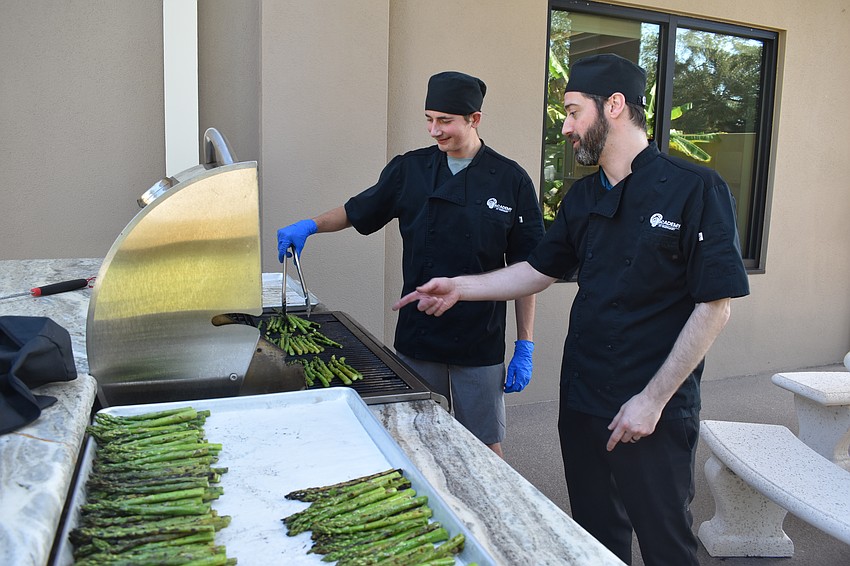
The clubhouse model is built on the Eight Dimensions of Wellness, but McKeever says it is unique in that it doesn't involve the kind of staff one would typically find at a facility for mental health.
"We don't hire therapists, we don't hire case managers, we don't hire peer specialists," he said. "We hire folks that bring in skills."
He says that this is a strength, in that members can enter without anyone analyzing their symptoms, because staff don't have the training to do so.
He says the organization's aim is meeting needs that include workplace adjustment, taking feedback and direction, learning social skills and technical skills that may be rusty, and of course, community.
Geyer says for most members, going to culinary school, for instance, wouldn't be ideal, for that environment is too structured for their needs.
“You're talking about schizophrenia, bipolar illness, major depression, those kinds of things," Geyer said. "The rug's pulled out from underneath you. It's overwhelming. It's not easy to manage entirely by yourself."
Burnside also said it creates better food when members don't simply work off a checklist.
“If you want to be a good cook, you just have to taste your food constantly, not just follow the recipe… It's all about tasting and making adjustments," he said.
In general, kitchen members will learn knife skills, how to clean, take orders, serve and expedite, as well as soft skills like what to wear or say in the workplace.
"The chef may direct it in some way, but the members do too, and when a new member comes in, they can learn just as easily from a present member as they can from the chef," Geyer said.
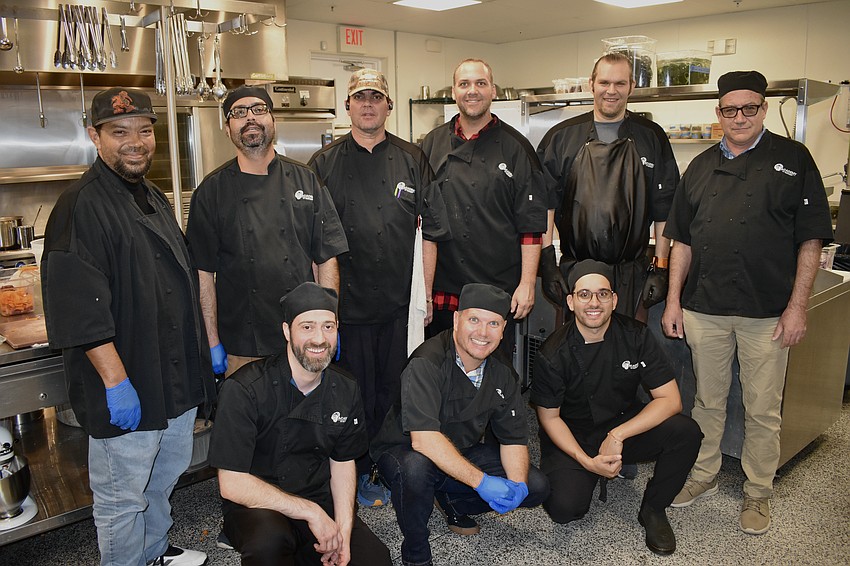
"I still find it very useful for my own self-worth that I can help in the kitchen," Jephson said. "I feel that we're making a meal every day. Everybody loves to get lunch. It's a good way to build friendships."
McKeever says that the rates at which members of the academy will be re-hospitalized or have a legal involvement is less than 10% a year, calling the fact that over 90% are staying free of those issues, on average, "huge for us." Meanwhile, between 40% to 50% of members will engage in employment over the course of a year.
Isabella Perez has enjoyed being amongst different disciplines during her time with the academy.
She has been involved in the kitchen while also learning how to work with computers, something she says she didn't know much about, and learning receptionist skills at the front desk as well.
"There's a bunch to do here," she said. "You never get bored. I never get bored."
She said she doesn't know what she would be doing otherwise.
"It's really been helping a lot, getting me out of my comfort zone, getting out of bed in the morning, having motivation to do stuff, so it really just makes me want to try new things and just get to know people better," she said.
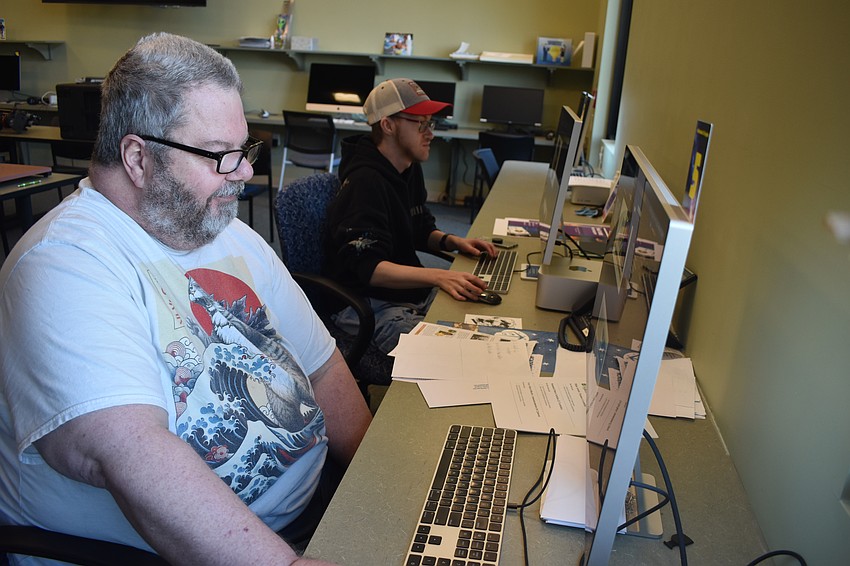
The skills taught on the business and tech side include reception skills, including over the phone, computer programs including Microsoft Office, and accounting and data entry.
At the same time the academy serves the members, members are also instrumental in facilitating its operations.
John Peacock had had prior experience in desktop publishing, which he says made the Graphic Design & Multimedia team the perfect area to gravitate toward.
He says he likes being creative and having fun, which may mean creating a special daily menu for someone when the time is approaching.
Members also create other print designs like "thank you" cards to donors, birthday cards, the newsletter, the daily menu, the weekly menu, the calendar, business cards and logos, and materials for fundraisers that are held four to five times each year.
"It's better than the other side of things, where I could just be sitting at home doing absolutely nothing," he said. "So yes, this is encouraging. Builds confidence. Obviously, you get to socialize, and you can't do that from home by yourself. I'm glad my sister found this place, because the alternative would not have been good."
A production studio also allows for work on media like video testimonials, videos for giving challenges, and a weekly audio version of the newsletter.
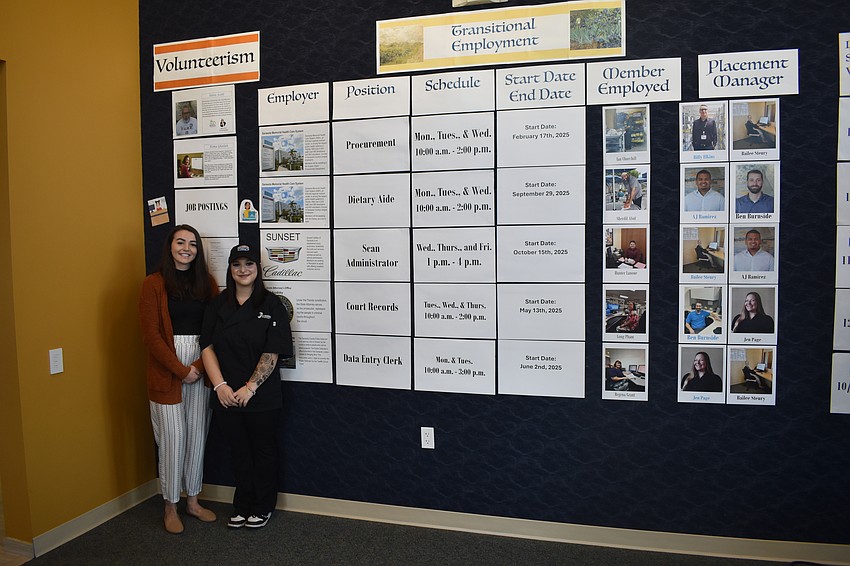
One major step that members can take toward the future, is transitional employment, which involves real-world job roles, with placement managers providing support until members have mastered the job duties.
Geyer says these roles are intended to offer experiences that are compelling to members.
"That's also incumbent upon us, that we don't just develop these transitional employments with anybody," she said.
The academy partners with organizations such as Sarasota Memorial Hospital, Doctors Hospital of Sarasota, Publix, Gecko's Grill & Pub, Sunset Automotive Group, the State Attorney's Office and the Office of the Public Defender.
Roles are part-time or full-time, for six to nine months, and can eventually can lead to long-term supported employment roles with an organization.
"Having that confidence to be able to go back into the workforce, it takes a lot," Geyer said.
McKeever says for mental health, there is no quick fix. Members are welcome to stay as long as they need. He says the policy involves "a big door in and a bigger door out."
Although they can leave at any time, they're always welcome back.