- July 25, 2026

-
-
Loading
Loading
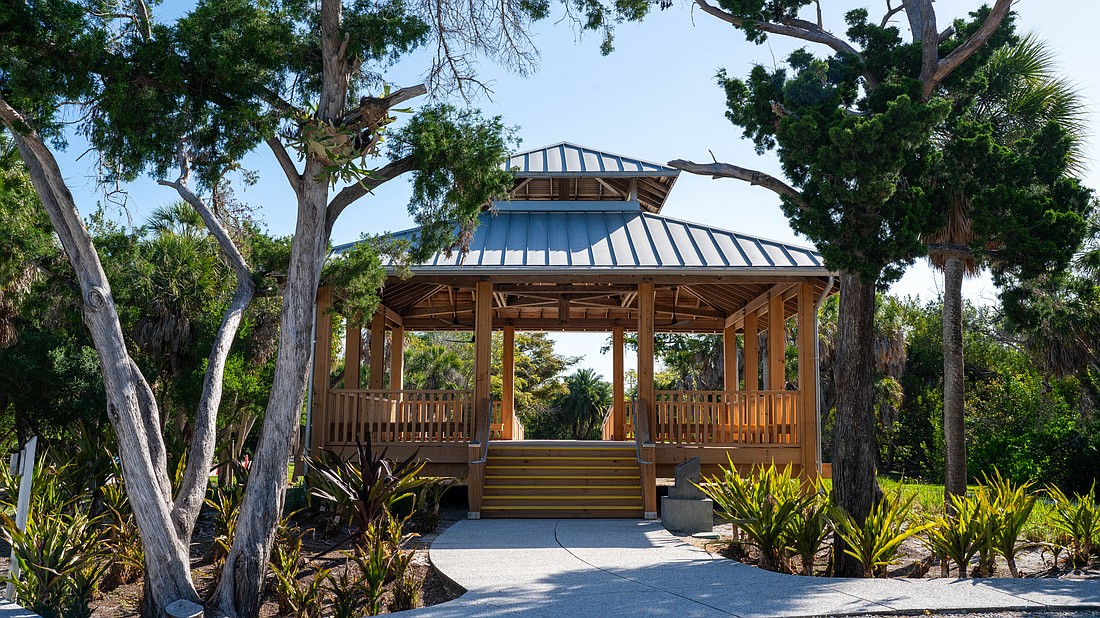
The gazebo pavilion at Joan M. Durante Park is currently rocking a two-tone look.
Propping up the expansive two-tiered roof are fresh cypress support pilings, newer and brighter than the geometric-webbed truss roof structure that remains from the large pavilion built in the '90s.
In the decades since its construction, the gazebo-styled pavilion began to show its age. The building was barricaded from public use in 2024.
“We had some damage of the base of the pillars from water damage over the 30-plus years it was here, some termite damage that was down there, and it made it structurally unsound, which is why it was shut down,” said Longboat Key Project Manager David Kushnir. “Then, when the hurricanes came through it kind of gave it what I’m going to call a Detroit tilt, a sort of little lean.”
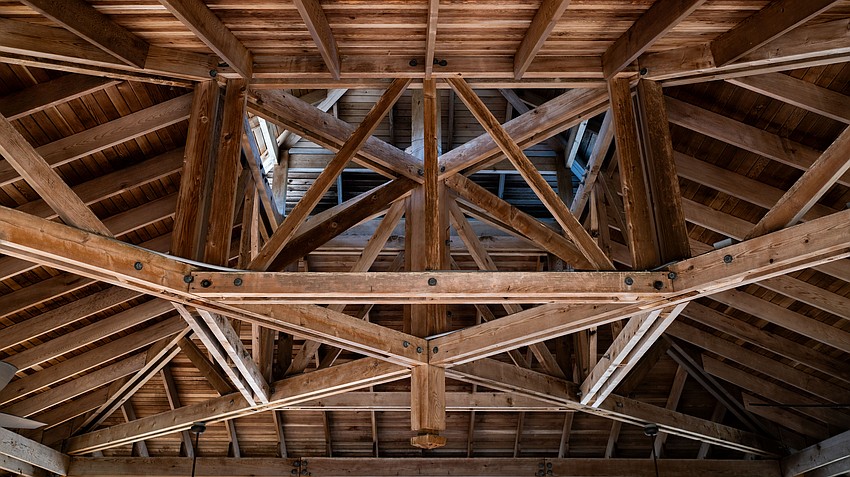
Months have passed, $138,000 has been spent, and the pavilion is now shored up. The town replaced the 12 support pillars, anchored by steel bolts and fittings, and the pavilion is essentially new from the roof down.
“Our goal was to preserve this canopy. This is basically what held the structure together with the damage to the base,” Kushnir said. “The way this was built, the design really is breathtaking.”
The town also replaced much of the walking trail’s boardwalks, at a cost of $329,000. Those opened to the public in February.
Although the pavilion is a popular gathering space for yoga and art classes, what brings more people to the 32-acre park is the fauna and wildlife.
“The fact that it’s natural and that people can walk through a natural area and be close to nature, see wildlife,” said Tony Porter, a Longboat Key service worker who cares for Durante Park every day. “It puts people in awe because a 32-acre park on an island this size is just unseen. That’s a lot of property that was donated to the town to create the park.”
A conservation success story, the Joan M. Durante Park is one of the few undeveloped areas of Longboat Key, surrounded by single-family homes, a commercial complex and condos on three sides. To the east, the crystal blue Sarasota Bay can be taken in from observation decks.
The park features a 1.2-mile walking trail, about half of a mile consisting of boardwalks that traverse mangrove forests and salt marshes, the rest of the path ground-level white shell trails. Also at the park is the furthest from ground level you can get on Longboat Key: 13 feet above sea level at what Porter calls Hamburger Hill. At the peak sits a green metal picnic table shaded by gumbo limbo and seagrape trees: a great place to grab lunch.
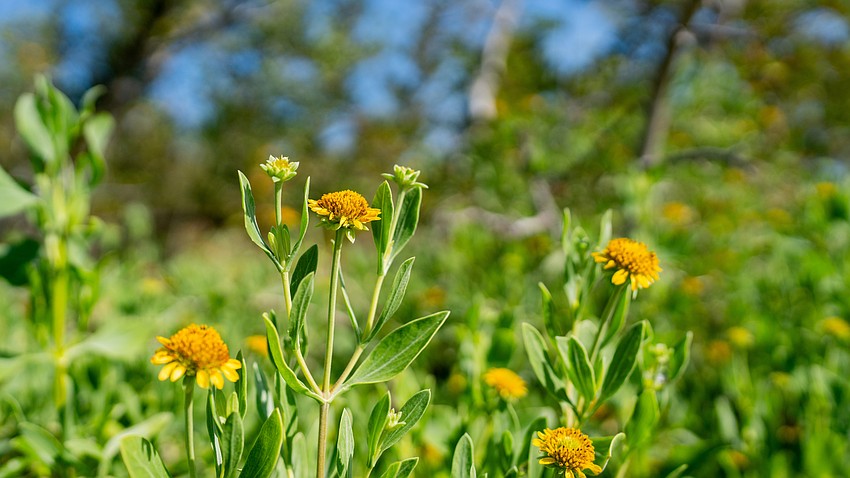
Walking through the park, visitors can see myriad plants and animals. Egrets, ospreys, green buttonwoods, bougainvilleas and sea ox-eye daisies are all common sights. Birdwatchers flock to the park hoping to catch a glimpse of less common species like the prairie warbler.
On April 21, a group of park visitors were in the park with electric chainsaws cutting down trees.
Oyster River Ecology volunteers were clearing mainly Brazilian pepper and carrotwood trees from the park. The nonprofit was supported by a grant from Sarasota Bay Estuary Program, which paid for the equipment for the invasive species removal project.
“They kind of take over these native ecosystems and soak up the nutrients for other native plants to thrive and they kind of shade out all the native vegetation that’s on the understory,” said Oyster River Ecology Ecological Projects Coordinator Abbey Kuhn. “That creates issues in the ecosystem because the stuff on the bottom doesn’t grow, and the insects can’t thrive and the berries for the native birds aren’t there, so (those trees) really just bring down the ecosystem.”
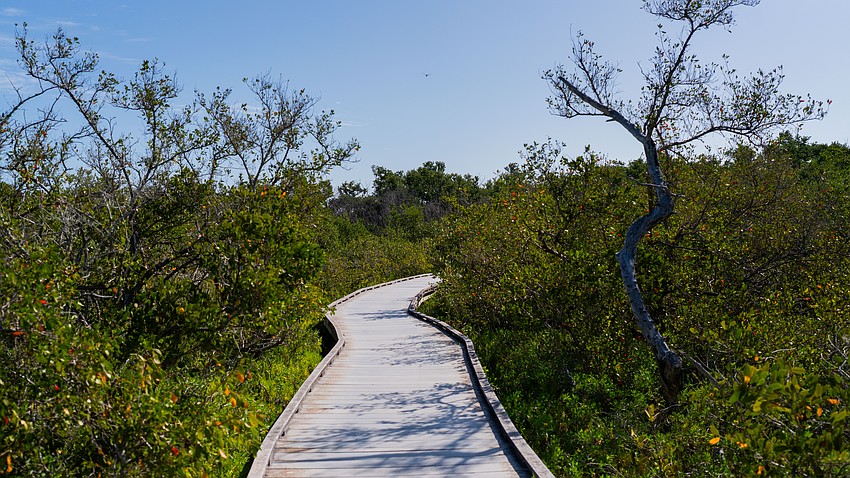
The volunteers were a welcome sight for Porter, who said fending off exotic and invasive species is a never-ending task.
Despite more than a year of work clearing downed trees, bushes and other damage from the 2024 hurricanes, there is still some evidence of the destruction today. Porter said many of the downed trees will be left as is to become compost to feed the next generation of plants. Those that are being replaced are being replaced with plants that are more resistant to flooding.
“The front part of the park is a little more manicured. We had planted non-native plants up there. There used to be a botanical garden, but with the flooding we’re finding a lot of non-native plants don’t survive in saltwater. So we’re trying to figure out which plants survive with the flooding so that we can plant more of those,” Porter said. “That’s one of the things we’re navigating. It’s a new chapter that we have to figure out.”