- April 5, 2026

-
-
Loading
Loading
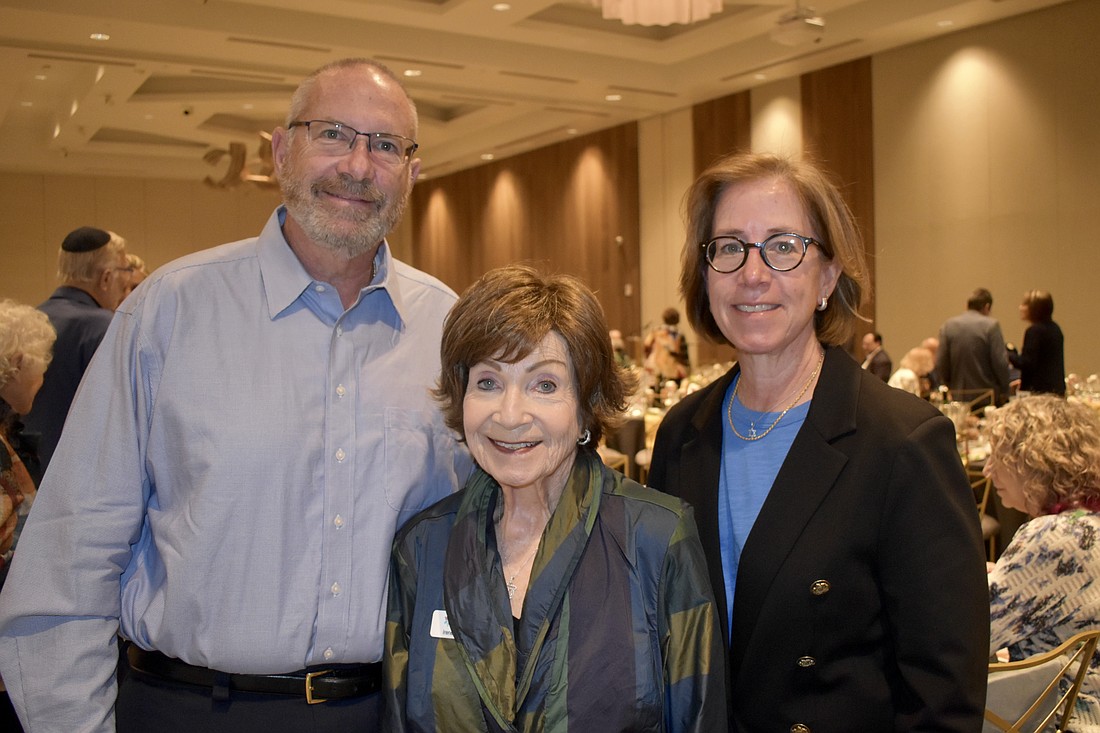
Irene Ross says Passover is a celebration of freedom, and that she was glad to have the chance to enjoy it with family alongside her.
"We're grateful that we have that freedom," she said. "Not everybody does. There's a lot of problems in the world, and so my main word would be 'grateful,' we can be together."
The Passover Seder is a meal traditionally observed at home. However, about 310 people turned out for the Passover Seder held by Temple Emanu-El on April 1 at The Ora.
The feast, held at the start of the holiday, includes symbolic foods and rituals that relate to the story of the exodus of the Israelites from Egypt, as described in the Torah.
Rabbi Brenner Glickman, who led the ceremony, said the core spiritual message of Passover is one of redemption.
"We tell the story of how our ancestors were slaves in Egypt, and God heard our cries and redeemed us, saved us with extraordinary miracles, 10 plagues, the parting waters of the Red Sea, and brought us through to freedom," Glickman said. "And in telling that story, we remember our history, and we listen out for people today who are oppressed, and pray that someday, all people will be free."
The event was the temple's formal Seder, but it will also be offering its Family Passover Seder on April 4, which is more casual in nature and is attended by larger numbers of children.
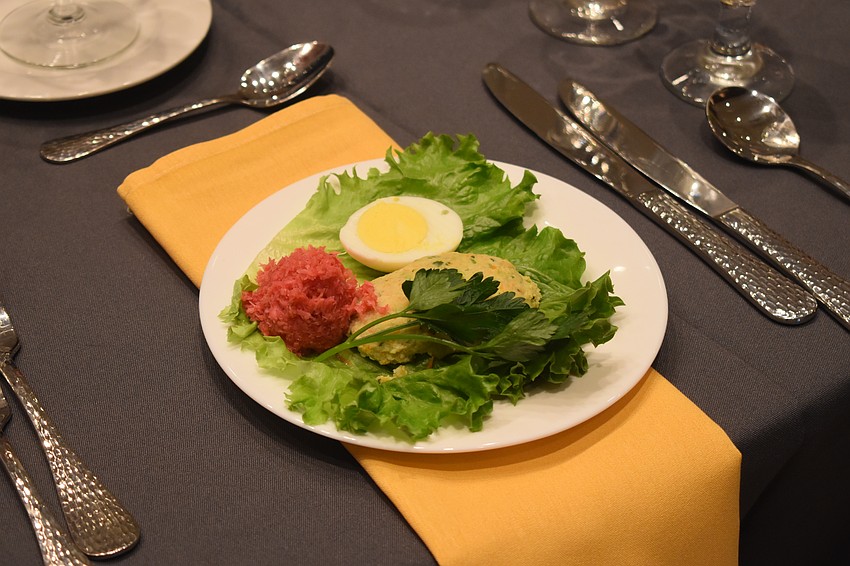
The temple also offered a Passover to-go meal for those members who did not plan to cook.
Glickman said at the present time, being able to gather for the meal was especially meaningful.
"It means so much because we all have a lot of fret and worry about our world today," he said. "To come together in a spirit of celebration and community to perform rituals and eat the foods that we remember from our childhood and every year since, it fills us with a lot of happiness. And ultimately, the message of the Seder is one of hope: that even though Pharaohs continue to live today that torment us, that someday, there'll be a true freedom for everyone. Someday, everyone will be able to eat. Someday, everyone will be able to live together in peace. And that is our ultimate prayer that concludes our Seder. That's our ultimate goal."
Attendees highlighted the individual significance the holiday held for them.
For Ross, Passover was also an occasion affirming a state of order.
"The word Seder means order, so if I say, how are you, and you say 'beseder,' that means everything's good, everything's in order," she said. "That is why we use the book, and we eat our dinners in a certain order. There is a lot of tradition in this holiday."
Her daughter Kimberly Ross echoed her sentiments about the importance of gathering together.
"I would say that it's more important than ever that we gather as a community and observe the Seder in the wake of the anti-semitism that the world is facing," she said. "It's most important now for us to stick together and to support each other, and to show the world we're not afraid, and we're not going to stop practicing our traditions."
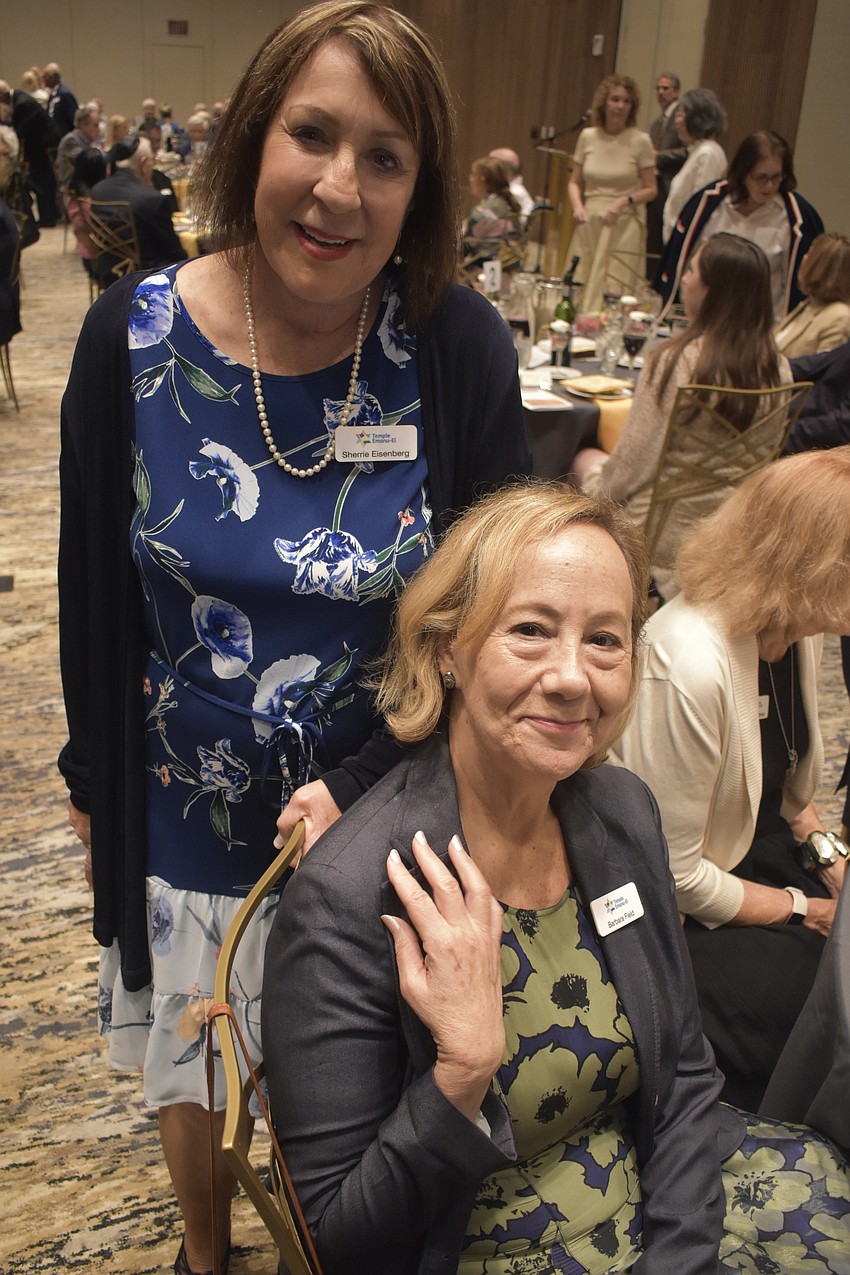
Michael Harshman said the meal was a chance to enjoy the kinds of large Passover gatherings he once did in Ohio, which he says no longer happen, with his sister and parents now gone.
"It makes me think about a long time ago when we were in a different part of the world, and every Passover, we had a large gathering of family, and that doesn't happen anymore," he said.
For Temple Emanu-El Past President Michael Richker, Passover holds a unique meaning, alongside his other favorite holiday.
"I was released from my slavery of my addiction on Thanksgiving, and the Jews were let go their slavery from bondage on Passover, so that's why Passover and Thanksgiving are my two favorite holidays," he said.
Thanksgiving is the anniversary of his sobriety date 37 years ago, in 1989.
Meanwhile, at the time of Passover, he looks to observe the holiday's traditions.
"I eat matzah," he said." Even when I go out at a restaurant, I don't eat bread. I come to a Seder. I make sure that my children, who live in Chicago, observe Seder."
At his table were multiple family generations, and Richker he said he wants to make sure his family carries on the traditions of Passover.
Glickman said over time, the holiday's traditions tend to remain the same.
"They mostly stay the same because they're brilliant," he said. "The lessons are current. The themes are real today. The rituals are powerful. There's really no improving on them. People try, and they add this, and they add that, but they don't take. The rituals of hundreds and sometimes thousands of years ago are still relevant, and we love them."