- March 13, 2026

-
-
Loading
Loading
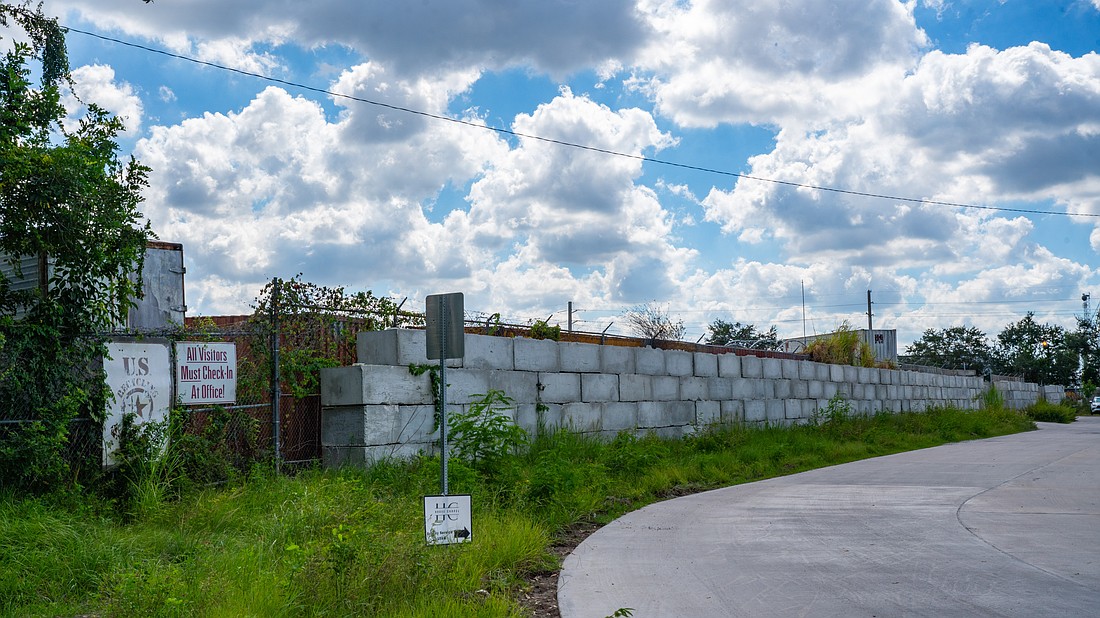
A local scrap metal and concrete recycling facility may be sued for allegedly violating the Clean Water Act.
Suncoast Waterkeeper — a nonprofit with the mission of protecting Gulf coast waters through environmental monitoring, advocacy and legal action — issued a notice of intent to sue U.S. Recycling, which recycles scrap metal and concrete at its Industrial Court facility in Sarasota.
A news release from the Waterkeeper alleges that U.S. Recycling, a construction and demolition debris recycling company, is violating the Clean Water Act by not abiding by requirements set out in a Florida Department of Environmental Protection permit.
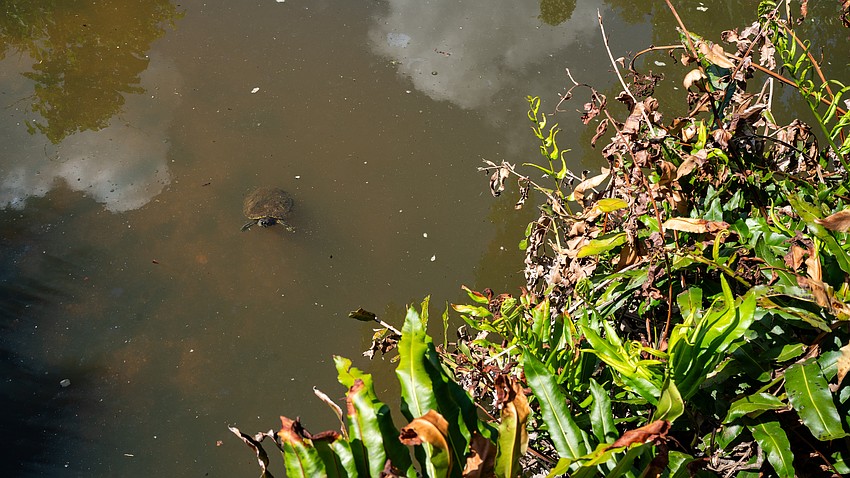
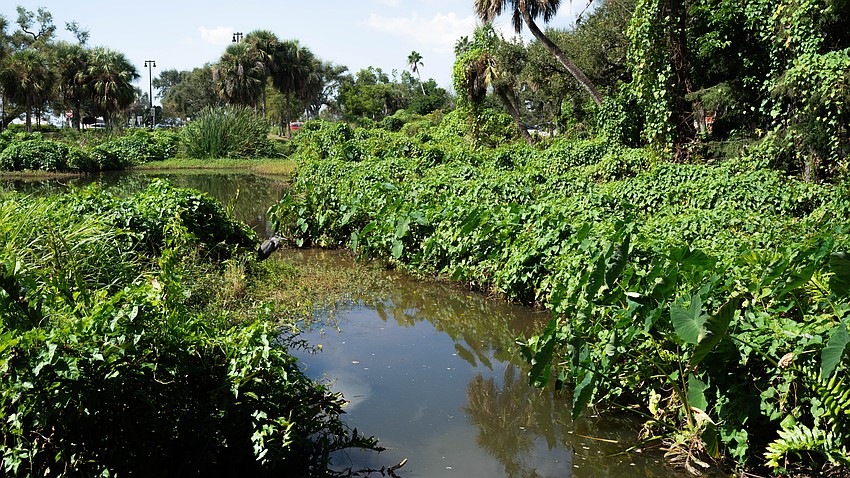
Suncoast Waterkeeper alleges that elevated levels of pollutants have been discharged to Hog Creek, a tributary of Sarasota Bay, after rainfall.
“They’re not generating water from their activities. This is when it rains, there are these exposed materials, rain falls over the site and stormwater flows off the site into the municipal drainage system which then flows into Hog Creek,” said Suncoast Waterkeeper founder and environmental attorney Justin Bloom.
Hog Creek, which runs through the adjacent Pioneer and Centennial Parks, is designated by the State of Florida as an impaired water body, according to the notice of intent. Mercury levels are in excess, which leads to the impaired designation, the notice reads. FDEP did not respond to a request confirming Hog Creek’s current impairment.
Test results from water samples that were collected next to the facility showed increased levels of aluminum, iron, total suspended solids and chemical oxygen demand. Bloom said those four items are required from FDEP to be under certain “benchmark levels,” which Bloom said are being exceeded. Those four metrics are easy-to-test warning signs for other, more harmful contaminants.
According to the notice of intent, “scrap metal in different stages of corrosion and decay may release a variety of harmful substances,” including heavy metals, asbestos, paint, grease and other contaminants.
A worker at U.S. Recycling said they had no comment on the matter.
Not a lawsuit yet, Bloom said he hopes the filed notice of intent brings U.S. Recycling to the table to fix the issues and avoid a court date.
“What they’re doing is, I think, an important industrial activity. Recycling building materials is something we support, but it needs to be done in a way that is protective of the environment,” Bloom said. “We don’t expect the pollution coming off the site to stop entirely, we just hope that they abide by the permit.”
Bloom explained the complaint is less about the byproducts of industrial waste recycling, but more about best practices by the facility. The notice of intent claims the facility is not utilizing the “best available technology economically achievable” as required by the permit, is not collecting and testing stormwater as required and is not updating its stormwater management plan.
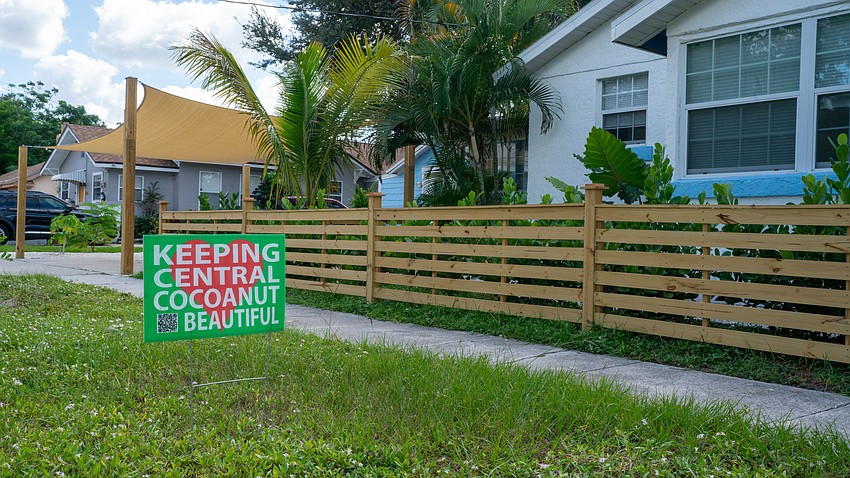
The water quality complaint by Suncoast Waterkeeper isn’t the first time U.S. Recycling has drawn headlines. In 2022, a group of homeowners in the Central Cocoanut neighborhood petitioned the City of Sarasota to do something about the noise and air quality surrounding the facility, which was emitting dust from concrete grinding. Concrete dust is harmful if inhaled and can cause permanent lung damage, chronic disease and other health issues. One resident claimed that the ZIP codes that make up the Newtown and Central Cocoanut neighborhoods had the highest rate of asthma-related hospitalizations in Florida. U.S. Recycling removed its concrete grinder and replaced it with a new system, Bloom said, but concerns from neighbors persist, and the quality of the water has now been called into question as well as the air.
Efforts to reduce the dust may be contributing to the alleged water discharge violations, according to Waterkeeper’s notice of intent.
“U.S. Recycling discharged non-storm water from one of the entrances of the facility. This water was associated with the use of a water truck associated with dust suppression,” the notice reads, explaining that the unauthorized discharge of non-storm water is also a violation of the FDEP permit.
Bloom said he hopes that U.S. Recycling will come to the table and allow Suncoast Waterkeeper to inspect the facility and collaborate with engineers to come up with better practices for the facility.
“There are hundreds of these best management practices out there,” Bloom said. “So what they need to do likely is hire an engineer to look at their site to come up with a better policy.”