- March 19, 2026

-
-
Loading
Loading
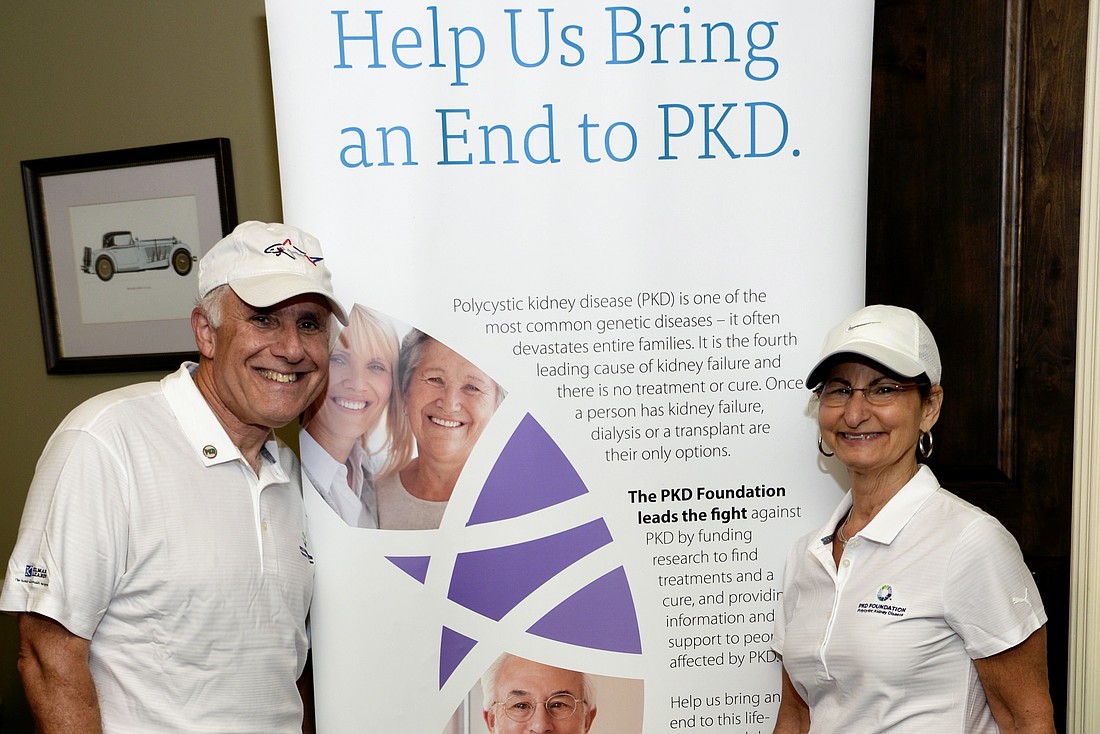
When a doctor told Karyn Waxman, “You have some funny looking kidneys,” she didn’t think much of the statement.
The doctor described her kidneys as too big and not in the right place, but with the caveat that not every kidney is anatomically correct and shaped like its namesake, the kidney bean.
Waxman is 69 years old now, but she was 43 then. She’d been in the hospital for a week for what she thought was just a bad urinary tract infection. She was given an antibiotic, and the infection cleared up.
But after returning home, the pain persisted.
When Waxman returned to the doctor, he suggested a PET scan of her kidneys.
“My insides looked like I had grapes all over them,” she said.
Waxman was diagnosed with autosomal dominant polycystic kidney disease, a genetic disorder that causes cysts to form on the kidneys and spread to other organs including the liver, pancreas and ovaries.
PKD is a life-threatening illness. Kidneys that are normally the size of a fist can enlarge to the size of a football. Some patients can’t bend over to tie their shoes. The cysts essentially “choke out” the kidneys’ ability to eliminate waste.
When Waxman was diagnosed, there was no cure or treatment, but the PKD Foundation was doing research.
“I honestly was not an outgoing person at all, but I found my soapbox,” she said. “And I found my voice because I was outraged. This was my life and my kids’ lives on the line, why was nobody talking about it? I felt the need to connect and be vocal to advocate and lobby.”
Waxman said she spent years traveling to Washington, D.C. to lobby for the National Kidney Foundation and the American Association of Kidney Patients, but it was her husband Jerry’s idea to fundraise for research.
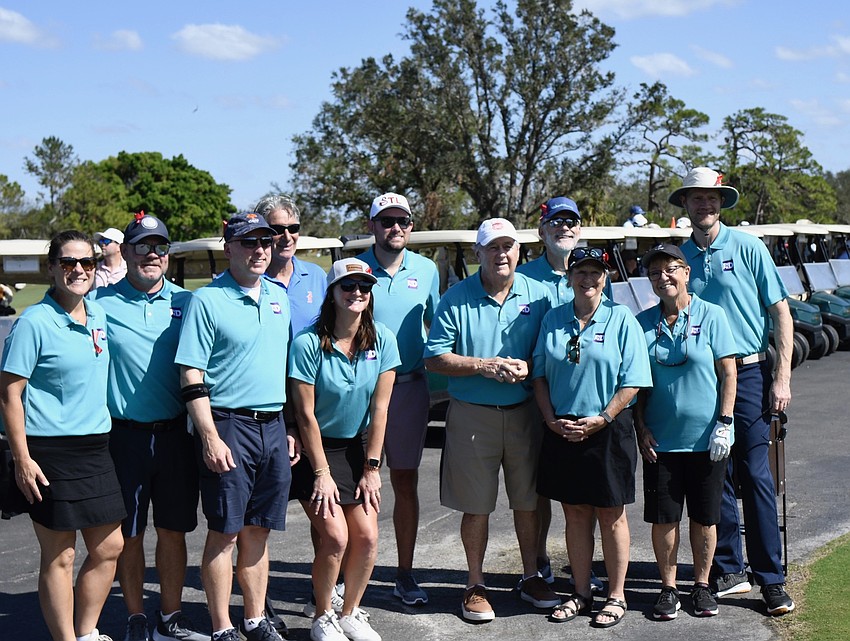
The pair have hosted an annual golf tournament since 2001, but this is the first year the PKD Applied Underwriters Invitational will be hosted in Lakewood Ranch. The tournament is Oct. 27 at Lakewood National Golf Club.
The event includes up to $80,000 worth of gifts and giveaways, including a new pair of Puma golf shoes for each player, a $5,000 putting challenge and a contest for the most accurate drive.
The husband and wife duo have raised more than $2.3 million since they started hosting the tournament. Waxman noted that her husband is “relentless” when it comes to fundraising.
So far, they’ve brought in over $114,000 of this year’s $140,000 goal.
The research has not led to a cure yet, but it has led to a treatment, and Waxman played a part in that, too. She was a patient in a dosing study for a drug that is now marketed as Jynarque.
Waxman had to stop participating in the study because her dose caused a skin irritation, but Jynarque is now prescribed to certain adult PKD patients to slow the disease’s progression by reducing the size of the cysts.
There is a 50% chance that a parent with the genetic disorder will pass it on to their children. However, Waxman’s parents were not carriers. In about 10% of patients, PKD is caused by a spontaneous mutation.
That does not protect Waxman’s two daughters, Kim (44) and Erica (47), from developing the disease or passing it to their children.
Waxman said she met a family that had 25 members diagnosed with PKD. Her family has been lucky.
“I went with my daughter Kim for a scan once,” Waxman said. “I couldn’t believe how small and sweet that kidney looked. I cried. When I have mine scanned, they’re so large that they don’t fit on the screen. They have to scan quadrant by quadrant.”
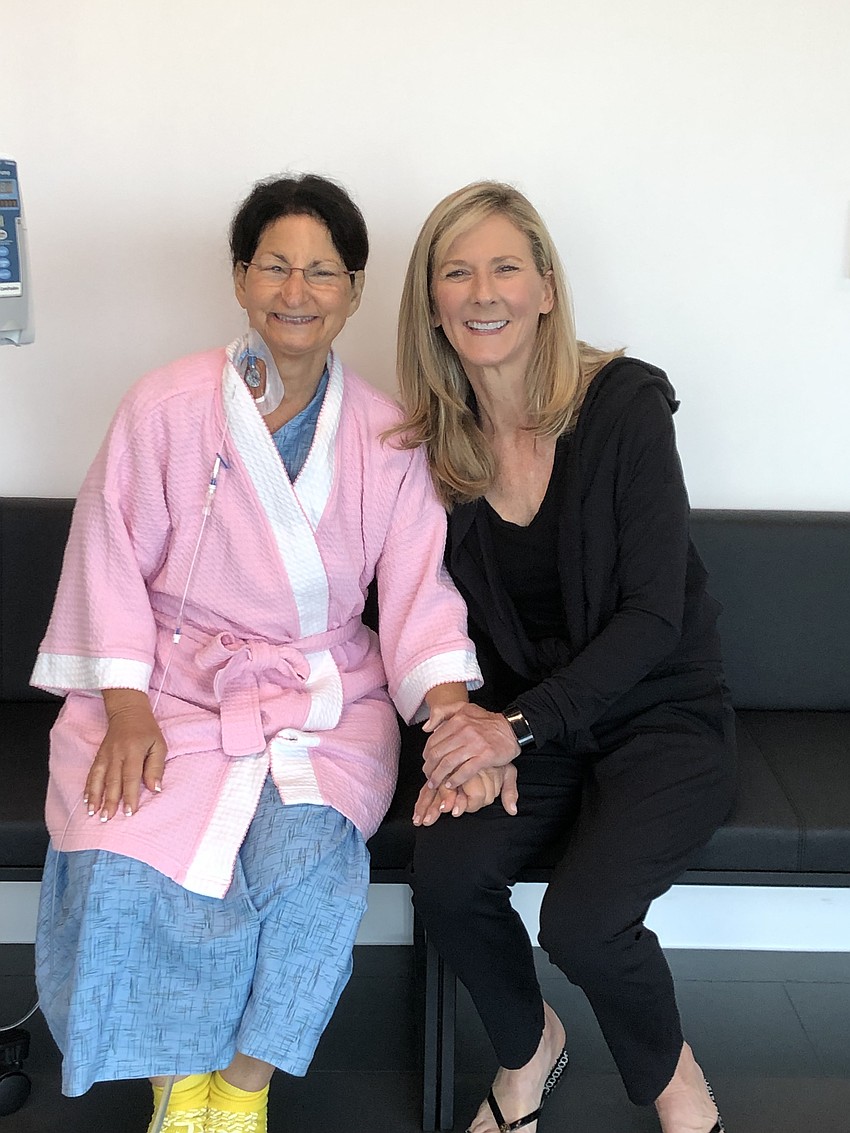
Waxman still lives with those two diseased kidneys she described as looking like “sacks of potatoes,” but she added a third kidney six years ago thanks to her personal trainer, Sara Kelly.
While her husband Jerry Waxman “valiantly” offered one of his kidneys in the doctor’s office when they first heard the diagnosis, nobody in Waxman’s family was a match.
“I’m so humbled and grateful that Sara chose me,” Waxman said. “It afforded me the opportunity to enjoy my grandchildren, make the move here (from Memphis, Tennessee) and travel.”
According to the PKD Foundation, polycystic kidney disease is one of the most common and serious genetic diseases with 12 million diagnoses worldwide. It’s the fourth leading cause of kidney failure.