- March 13, 2026

-
-
Loading
Loading

On the 10-mile barrier island of Longboat Key, some slices of untouched paradise remain.
On the island, there has been the conversion of large parcels to parks or nature preserves for residents and visitors.
The town of Longboat Key is spending $705,000 to repair two of those parks after storm damage downed trees, boardwalks and observation decks.
Streets, Facilities, Parks and Recreation Manager Mark Richardson said Joan M. Durante Park repairs are almost complete. The contractor should finish their work by early December. Then, they will move to the next green space: Quick Point Nature Preserve. Quick Point should be fully repaired by early April, Richardson said.
In Sarasota Bay between Longboat Key and the mainland, there are small islands untouched by concrete.
The Sister Keys is one example — a grassroots conservation success story.
In the 50s, there were ambitious plans for the two undeveloped islands in Sarasota Bay. Dubbed Shangri Isles, the plan was to build a marina, 18-hole golf course, luxury homes and a hotel. Even an airport.
Ambitious, perhaps unrealistic, the plans fell through.
“I know one of the guys who owned it would come out and rent a boat from me and show them the Sister Keys,” said David Miller, longtime owner of Cannon’s Marina. “But it really didn’t have development opportunity then. It didn’t have power to it.”
But decades later, a new threat to the lagoon islands emerged when Rusty Chinnis noticed an ad in the Longboat Observer which showed the islands for sale for development.
“I thought, wouldn’t it be nice to have at least one island in the Bay that didn’t have a house on it,” Chinnis said.
Longboaters banded together to prevent the land from being sold to developers. In 1989, it led to the formation of the Sister Keys Conservancy.
David Miller of Cannon’s Marina and his then-wife Anna Tiller, Virginia Sanders with Mote Marine, Harry Christensen with Harry’s Continental Kitchen, Penny Rosenthal, and Chinnis are some of the many people that organized the movement.
Raising money to buy the land was the first plan. Listed for $1 million, the group had raised just $50,000 in the first two years, and the goal seemed out of reach even after an outpouring of vocal support from residents.
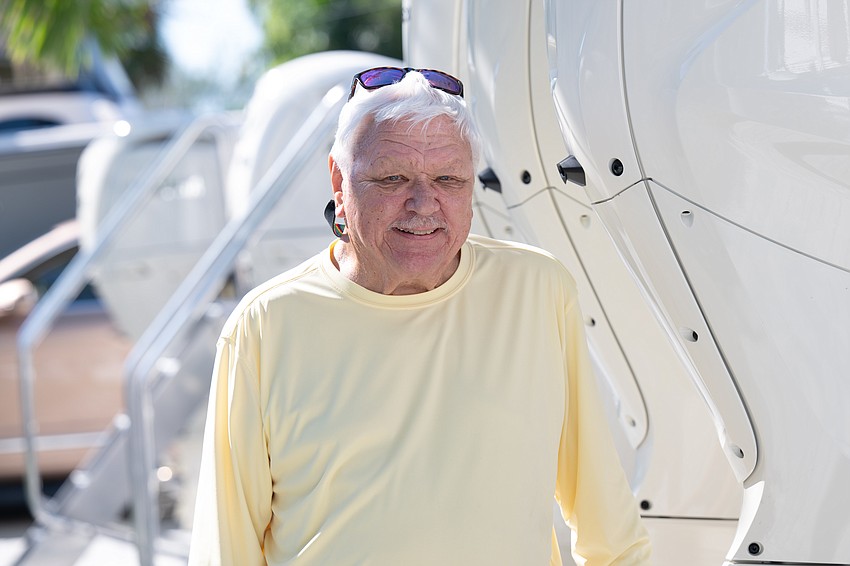
“It was put up for sale from some group that claimed to be from (Liechtenstein),” Miller said. “I don’t know who owned it but they wanted $1 million. We did all these types of things to raise money but never got too far, so we went to the town.”
That happened at the right time, and “the stars aligned,” Chinnis said. The town had already been discussing the need for mitigation land to pave the way for development on a nearby island. On July 10, 1992, the town voted to fund the purchase of the land and to replace the pines previously planted on the island with native species and mangroves.
Miller said residents banded together to save the islands because “it was just a good thing to do.”
“It’s a natural habitat,” Miller said. The grass flats are out there, all the mangroves. It’s a great place for fish to grow up. It’s a great place to fish period.”
As a bonus, the project the mitigation was for never broke ground.