- March 5, 2026

-
-
Loading
Loading
There has never been a time when consumers had more dining choices.
In nearly every new development or waterfront district, restaurants line the streets, each one a vision born from years of hard work, creative risk, and personal investment. For a chef or restaurateur, it’s thrilling to see our industry thriving. But it’s also disheartening to watch a troubling trend take root — food trucks parked directly in front of full-service restaurants, competing for the same customers that brick-and-mortar establishments pay dearly to attract.
It’s one thing to celebrate food culture and community events. It’s another when those “events” are hosted by the very developers who collect rent from their restaurant tenants and then invite mobile competitors to siphon sales away on a Saturday afternoon.
Picture this — you’ve poured your life savings into opening your dream fried chicken restaurant. You pay rent, utilities, insurance, property tax allocations, and wages for a full staff. You finally get a good crowd on market day and then you look out your window and see a corporate fried chicken truck parked 15 feet from your door, serving food on Styrofoam plates with plastic forks. Your sidewalk, your view, your potential guests all taken by a pop-up that pays no rent and leaves when the crowds disperse.
Developers often justify these food truck nights as community-building experiences, complete with yoga sessions, outdoor concerts, or farmers markets. But the irony is that they use the atmosphere of the very restaurants they undercut to sell the illusion of an ideal lifestyle they market to prospective homebuyers and visitors. When the yoga classes end and the music stops, it’s the restaurants that remain, paying the bills that keep the lights on and the community vibrant.
There’s a broader question of fairness here. Why are we, as a society, so quick to romanticize food trucks while disregarding the commitment of those who anchor our communities with permanent establishments? I don’t hate food trucks. In fact, I respect anyone with the courage to cook for the public. But they don’t belong directly in front of lease-paying restaurants or within established dining districts. It’s insulting to those who took the risk to invest in their community.
If you’ve ever dreamed of opening your own restaurant, you know the stakes. The investment is immense as well as being emotionally, physically, and financially stressful. You hire teams, source fresh ingredients, build menus from scratch, and pay every permit and license fee the city requires. You live and die by guest loyalty. And yet, on a whim, a developer can invite a fleet of food trucks to park right outside your door that offer cheaper, faster food that requires no infrastructure, no staff, and no long-term commitment.
We should be asking tougher questions. Why do landlords compete with their own tenants? Why do city planners allow mobile vendors to operate within established dining corridors? And why have we as diners become so desensitized to the harm caused by this trend?
Food trucks have their place at festivals, fairs, breweries, and roadside stops where they add diversity and fun. But when they set up shop in front of restaurants that pay rent, they don’t add value to the neighborhood. They drain it. They undercut the very businesses that give these developments their character and stability.
Restaurants are cornerstones of a community. They create jobs, sponsor local events, host family milestones, and pay the taxes that support the neighborhoods we love. They deserve the respect of a fair playing field and not a parade of transient competition parked outside their doors.
So next time you’re strolling through a food truck festival set against a backdrop of restaurants, take a moment to think about the chefs and restaurateurs who built that environment because they are the ones feeding people year-round, not just when the weather’s nice. Choose to support those who make your community thrive.
Eat clean. Eat local. Eat from a plate that doesn’t blow away in the wind.
And remember — feeding people is supposed to bring us together and not pit us against each other.
Feed people and make them happy!
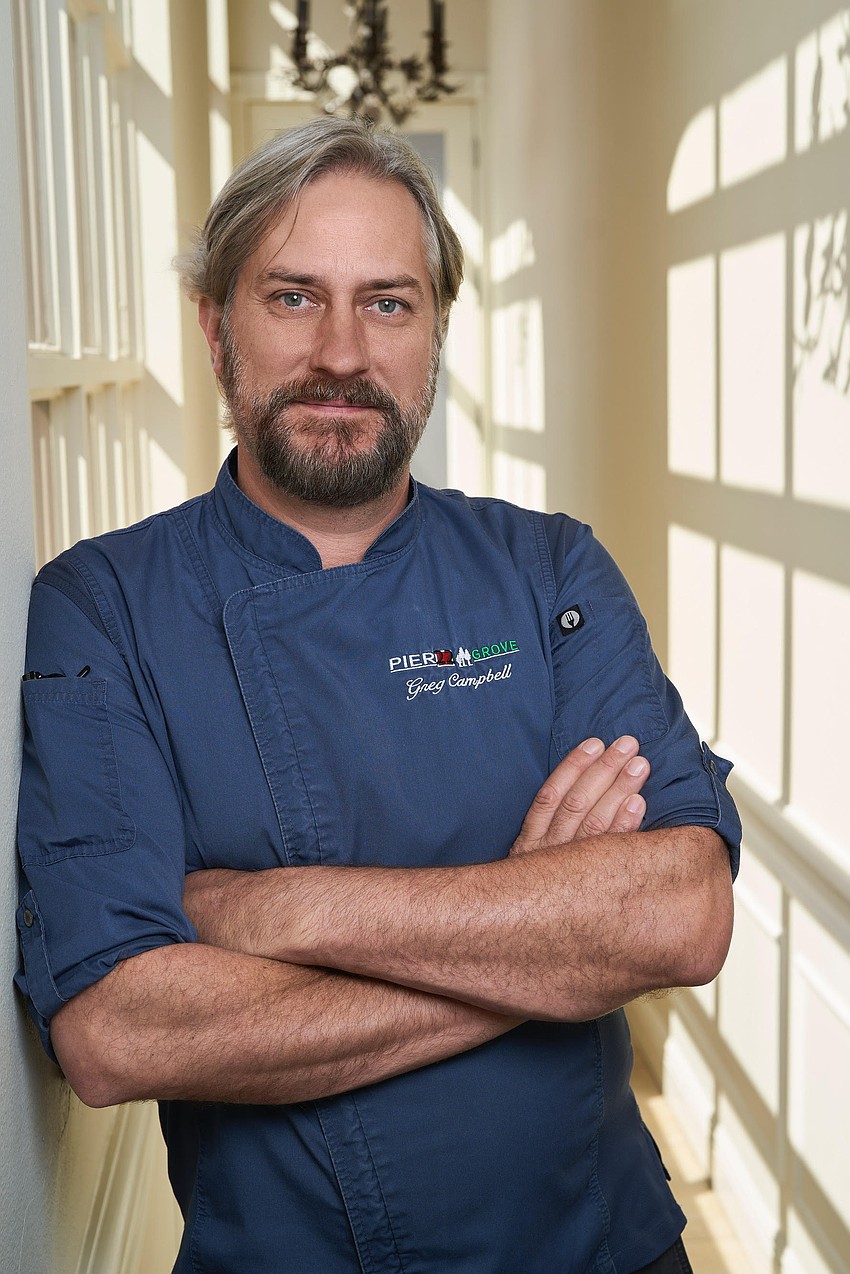
Greg Campbell
Executive chef, co-founder of Grove