- March 19, 2026

-
-
Loading
Loading
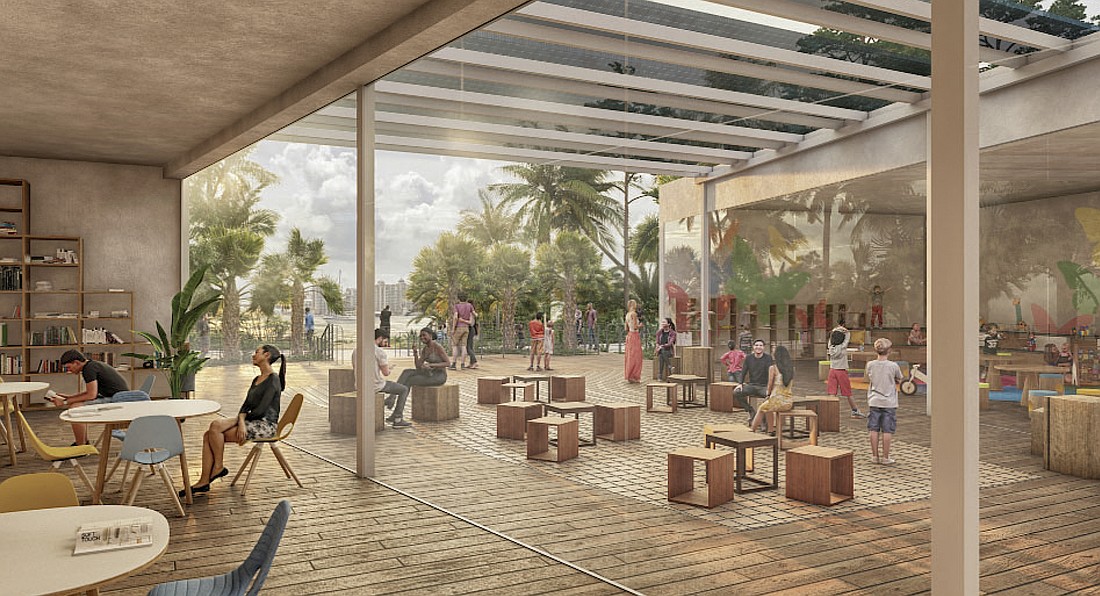
With fundraising nearly complete for the second phase of Marie Selby Botanical Gardens’ master plan, groundbreaking is planned on Dec. 2 on the penultimate stage of the Downtown Sarasota campus' reimagining.
In a news release announcing the groundbreaking date, Selby Gardens said $53.2 million of phase two’s $60.9 million goal is for the project. In total, $118 million has been donated, most via private philanthropy, for the three-phase project.
Forming the centerpiece of the latest phase, the new Conservatory Complex will serve as a hub for more than 20,000 plants from Selby’s research collections. The building will broaden public-viewing access to the collection from a sliver currently to nearly its entirety.
The Learning Pavilion will feature enhanced facilities for all of Selby Gardens’ education programs, as well as enhanced gardens and landscape features.
The second phase is expected to be completed in 2028. At the time of Sarasota Planning Board approval of the second phase in August, supporters of Selby were told to expect a groundbreaking before the end of 2025.
Completed in early 2024, the initial phase of the reimagining included the Living Energy Access Facility, which combined parking, a new gift shop, vertical gardens, a restaurant and a solar array. Also added in phase one, the Plant Research Center, which secures irreplaceable scientific resources in a hurricane-resilient structure and provides a window into once behind-the-scenes world-class research.
Improvements to visitor access, the ticketing and welcome pavilion, storm drainage and more were also part of phase one.
“On behalf of our Board Chair Katherine Martucci, and all of our Trustees, we are thrilled to break ground on this transformational undertaking,’’ Selby CEO and President Jennifer O. Rominiecki said in a prepared statement.
“As we prepare for Phase Two of our Master Plan, we do so with deep appreciation for everyone who supports the mission and vision of Selby Gardens and the phenomenal generosity of our community. Our living research collection is a cornerstone of conservation, education, and scientific discovery; safeguarding it from the growing impacts of hurricanes is both urgent and essential to ensure this irreplaceable collection can continue to flourish and inform critical research.”