- March 19, 2026

-
-
Loading
Loading
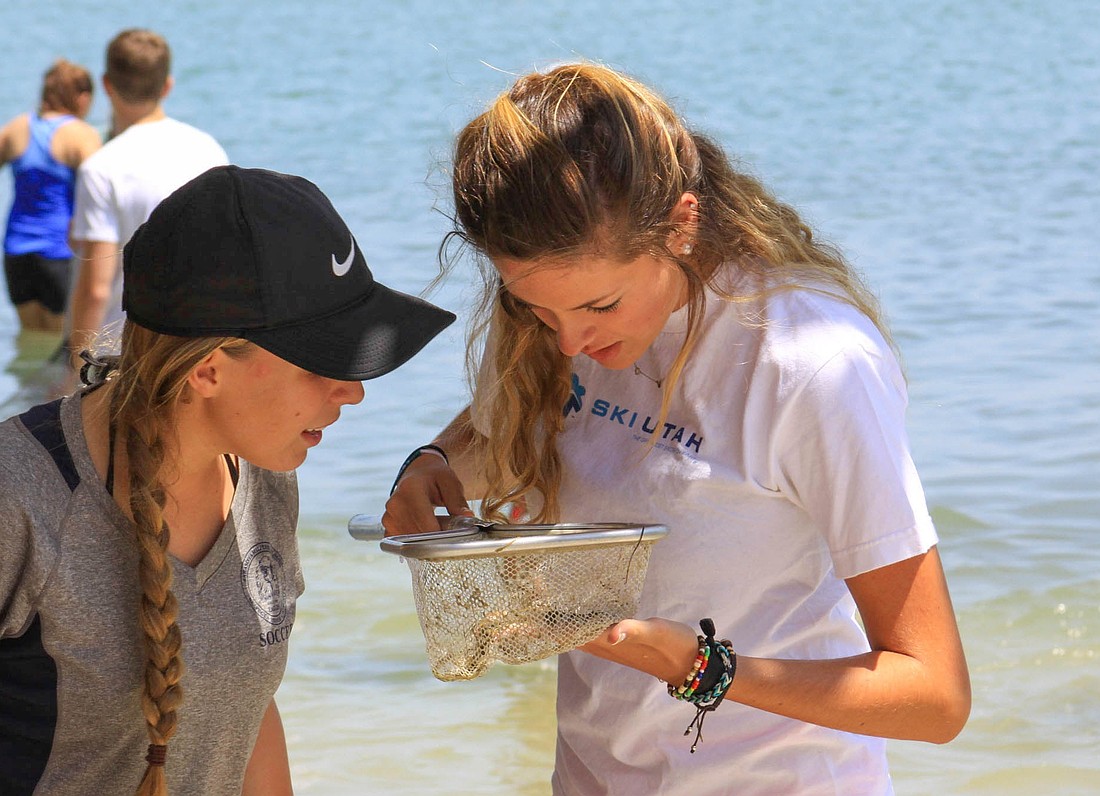
In knee deep water on a clear April morning, students wearing water shoes and with nets scooped creatures from the estuary near the Mote Marine Laboratory in Sarasota.
As the nets were raised, the students saw shrimp, crabs, seahorses and jellyfish.
"We collected the species in tanks," said Virginia Frisbie, who graduated from Lakewood Ranch High in May. "It was a great study on estuary biodiversity as we could see in real time the proportions of different creatures that lived in the bay."
Frisbie is the founder and past president of the Environmental Club at Lakewood Ranch High and she appreciates grants that allowed her club to take those important field trips.
A $3,000 Southwest Florida Water Management District grant that was awarded this month will allow current members of the Environmental Club to do similar field work, such as dip-netting, in the future.
“It makes it a lot easier to understand and a lot more real, seeing the processes that are happening in the natural world around us,” Frisbie said.
The SFWMD has awarded "Splash" grants to four local School District of Manatee County schools. In East County, besides Lakewood Ranch High's grant, Bashaw Elementary School received $2,500.
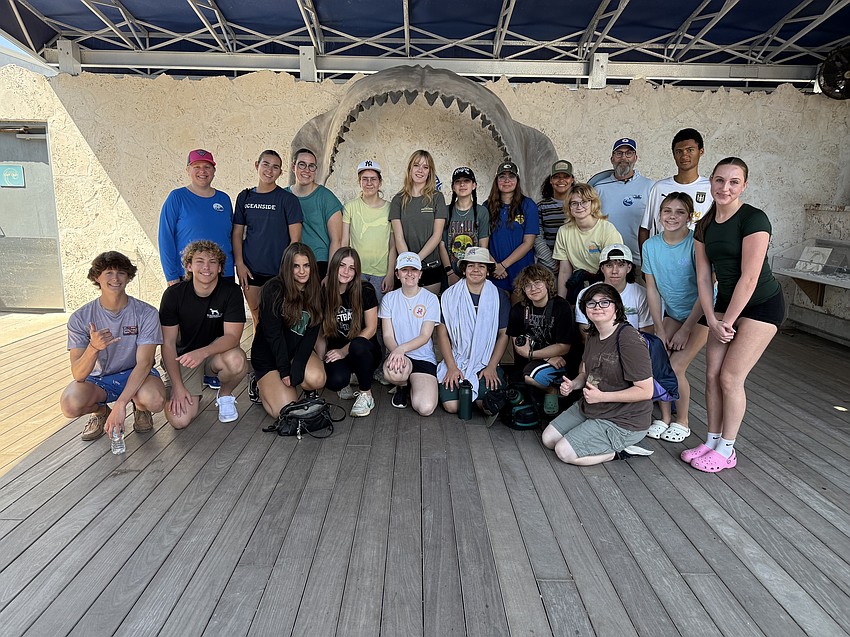
The grant program, which operates within the SFWMD's 16-county region, aims to inspire students to become “protectors of water resources” through exploratory activities that teach water conservation and quality protection.
“A (former Splash grant) actually made the entire thing possible,” Frisbie said. “We were a first-year club and it wouldn't have been feasible for us to get organized enough or collect enough dues to make the trip to Mote.”
To be eligible for a grant, schools must be K-12 public or charter institutions within the SFWMD's boundaries, with grant projects specifically focused on freshwater or estuary studies rather than broader environmental topics. Recipients are chosen through a lottery system.
"The overall goal of the grants is to inspire students to be protectors of water resources and to be more mindful of their water use," said Katherine Squitieri, lead communications coordinator for the SFWMD.
Squitieri said last year the program’s participating schools reported an average 30% increase in water education topic comprehension based on pre- and post-test results.
“I just want to stress the importance of volunteering and education, along with getting outside to see the world that you live in,” Frisbie said. “The grant was a great way to do that.”
Tana Phelps, a science teacher at Lakewood Ranch High School, applied for the grant both last year and this year. Each time the grant awarded was $3,000.
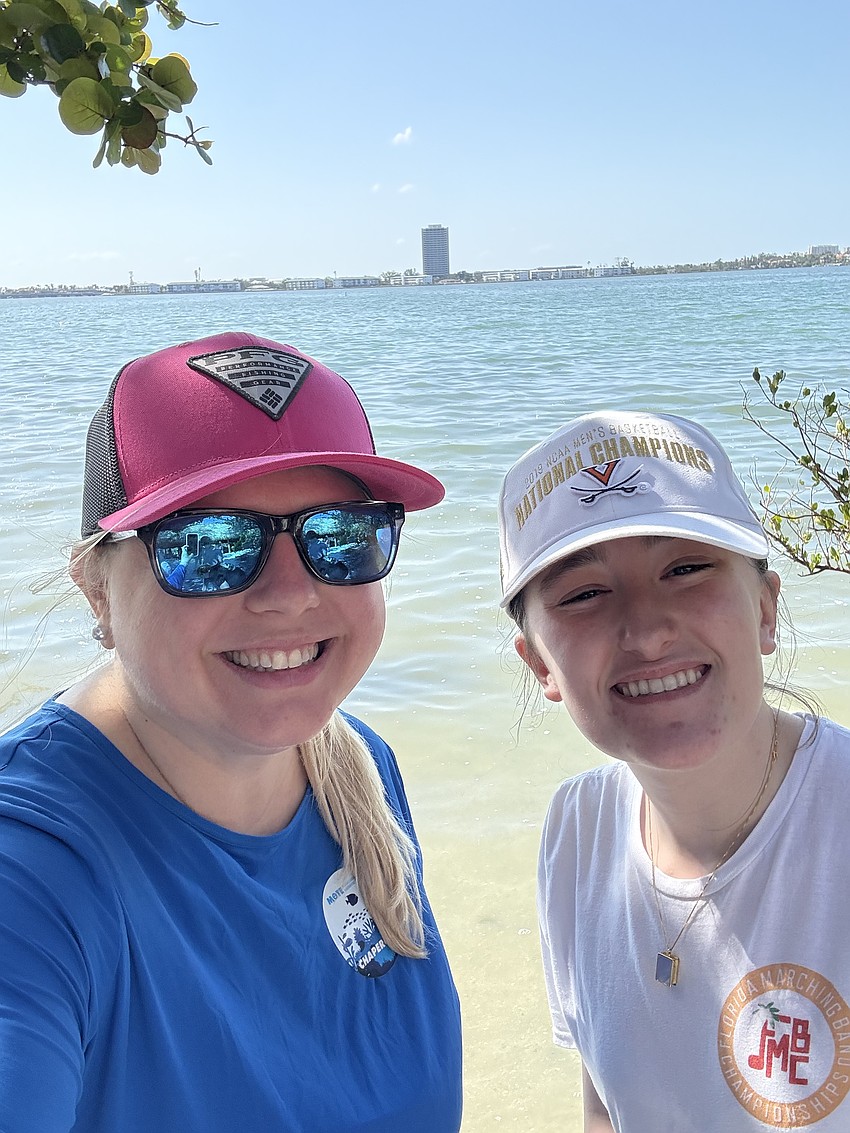
Phelps expects to use the money the same way she did last year — to take students on a field trip to Mote. The money will go toward transportation, admission, a sub to cover her classroom, and supplies for hands-on learning.
Frisbie said she hopes this year's students will gain a better understanding of the natural world and learn what they can do to “help alleviate some of the environmental stresses on it.”
Phelps wants to give students the opportunity to experience careers they might be interested in.
“It's hard to go to school for something without having a chance to see it beforehand,” Phelps said. “What does this even look like as a job? What options are there?”
Richard Smith, the stem lab and science teacher at Bashaw Elementary, is using the grant money in a different way. Rather than taking his kids on a field trip, he is putting together a 120-gallon, above-ground pond on campus.
The pond will feature viewing windows that allow students to make real time observations of aquatic ecosystems.
"There are so many science concepts that can be learned from something as simple as a pond," Smith said.
Smith said he is personally excited to add frogs to the pond, as he was shocked to learn how many students are either afraid of frogs or don’t know that tadpoles morph into frogs.
Smith said he appreciates the support he has received in the initiative, both from his principal Nicole Williams and the Southwest Florida Water Management District.
"The most important thing I want students to learn about freshwater is that there's a very limited supply, and every living organism relies on freshwater to survive and reproduce," Smith said. "The Earth seems very wet, but the freshwater we need for survival is a tiny percent of all Earth's water."