- March 19, 2026

-
-
Loading
Loading
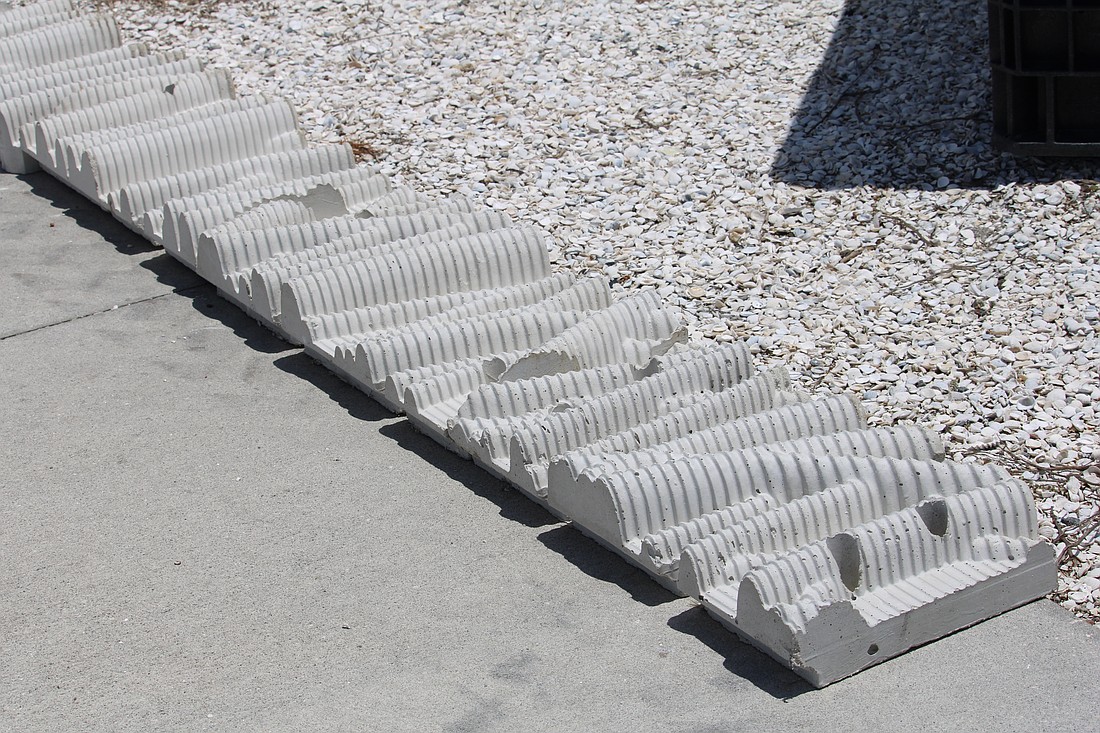
A new little city is coming to Longboat Key, though it won't be obvious to passersby. Just underneath the waterline on the shore of Bayfront Park, a 'living wall' is going in this week, hopefully providing the perfect home to a collection of oysters, little crabs, barnacles and other essential filter feeders.
Work on the $500,000 project officially got underway this week on installing the pioneering paneling on the bay side of the park. Previously, smooth vinyl paneling lined the wall facing the water.
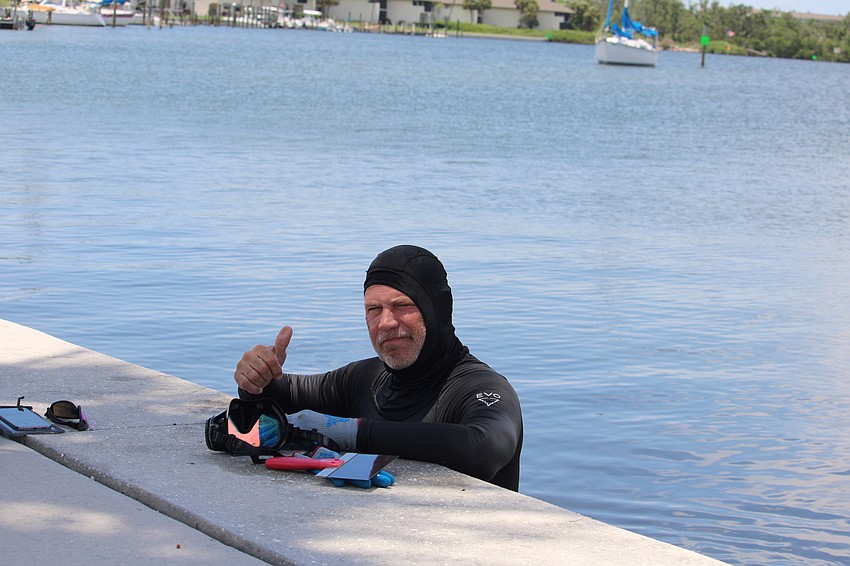
Charlie Mopps, director of Public Works for the Town of Longboat Key, explained how the texturized wall will provide a surface where wildlife can more easily attach.
"This is one of the first runs on the West Coast," he said. "There is a lot of seagrass and other great habitat out there, but this is to provide another resource and habitat for more filtering organisms."
Terri Driver, a member of the Longboat Key Green Team and new president of the Rotary Club of Longboat Key, toured the park with Mopps this week, and she pointed out how the only place along the shore with any signs of shellfish was the more abrasive drainpipe.
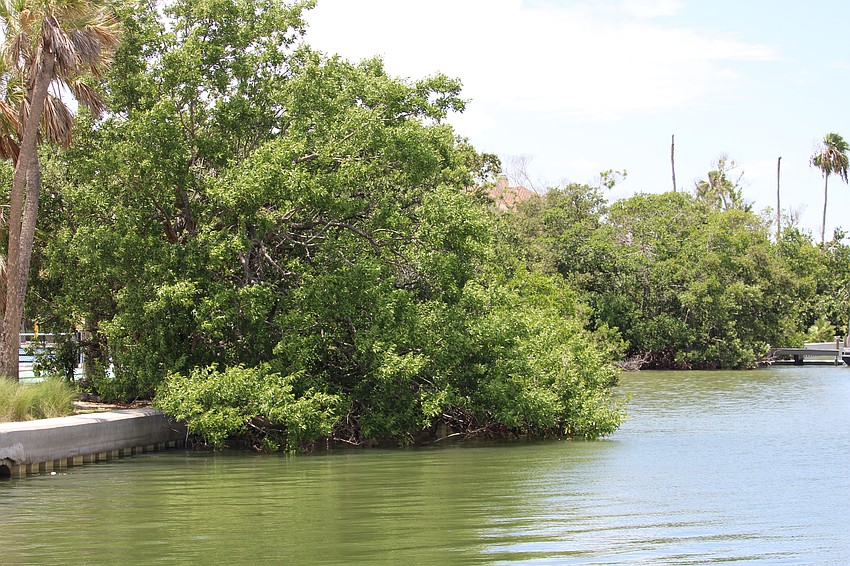
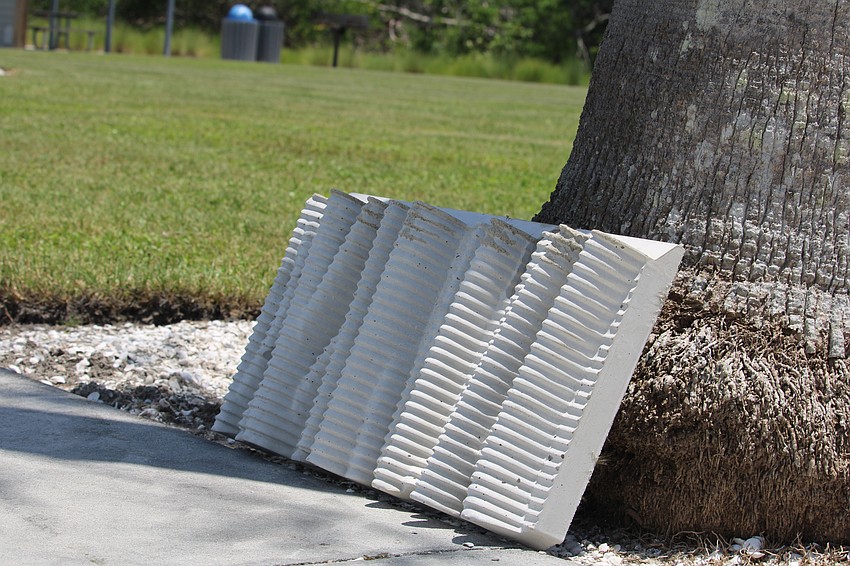
Mopps said the town and Sarasota Bay Estuary Program, which provided grant funding, finalized the panel design modeled after red mangroves in December. Cummins Cederberg, a coastal and marine engineering firm, handled the initial design.
The Miami-based manufacturer, KindDesigns, set to work crafting the 3D concrete panels, each numbered to ensure the pattern of flowing roots matches up and properly withstands waves.
"They made samples of this wall and put it in a wave tank," Mopps said. "Then they started playing with the mounting hardware and where the holes needed to be. They examined the anchor points and came up with the best design. It's all done with digitally printed concrete."
This week, crew members from Kearns Construction Company started the work of cleaning off the current wall and received the shipment of panels.
The Rotary Club plans to fund the filming of a documentary about the living wall, under the direction of Alison Alexander of Florida Eco Films.
Alexander formed the nonprofit production company to act as an umbrella organization for the nature-based short films. She focuses on giving students from the film program at Ringling College of Art and Design opportunities to gain experience out in the field.
Besides offering an artistic flair to the park, the wall should ideally help improve water quality as filter feeder populations grow. Along with other efforts to protect seagrass beds and properly manage wastewater and regulating fertilizer runoff, this marks another step forward in improving Sarasota Bay's waterways, Mopps said.
The project initially focuses on 300 feet of seawall. If all goes well, similar projects could extend to other shorefronts along the island.